
Summary of "One Peach a Thousand Peaches" by Samed Behrangi
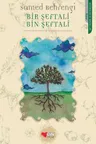
"One Peach a Thousand Peaches" by Samed Behrangi follows the story of two impoverished children, Mehmed and Ali, who discover a peach on the ground. Hungry and delighted, they eat the peach and decide to plant its seed. As the seed takes root and begins to grow, the narrative shifts to the perspective of the peach tree itself, which recounts its growth and the care it receives from the boys.
Under the boys' diligent care, the tree thrives and eventually bears fruit, bringing sustenance and joy to Mehmed and Ali. However, tragedy strikes when Ali is bitten by a snake and dies, leaving Mehmed heartbroken. Overwhelmed by grief, Mehmed decides to leave the village.
The peach tree listens to Mehmed's laments and learns about his sorrow. One day, the gardener of the garden where the peach tree grows, notices the tree and becomes ecstatic at the prospect of a bountiful harvest. However, the peach tree, aware of the gardener's selfishness and exploitation of the villagers, decides not to bear any fruit for him. The gardener and the owner, known for their greed and unwillingness to share with others, are left frustrated and disappointed as the tree refuses to yield its bounty to those who exploit and hoard.
Literary Review of "One Peach a Thousand Peaches" by Samed Behrangi
Samed Behrangi's "One Peach a Thousand Peaches" is a poignant and thought-provoking tale that delves into themes of generosity, exploitation, and the moral consequences of one's actions. Behrangi's narrative, imbued with social and ethical commentary, is both accessible and profound, making it a compelling read for audiences of all ages.
The story's unique perspective, shifting to the viewpoint of the peach tree, adds a layer of depth and empathy. Through the tree's observations, readers gain insight into the lives of Mehmed and Ali. The tree becomes a silent witness to human virtues and vices, particularly highlighting the contrast between the boys' innocence and kindness and the gardener's selfishness.
Behrangi's portrayal of Mehmed and Ali is touching and authentic, capturing the resilience and hope of children in the face of poverty. Their care for the peach tree symbolizes the potential for growth and positive change through nurturing and patience. The tragic death of Ali introduces a somber note, emphasizing the fragility of life and the impact of loss.
The story's climax, where the peach tree refuses to bear fruit for the exploitative gardener, serves as a powerful allegory for social justice. Behrangi critiques the greed and exploitation that plague society, advocating for a more equitable and compassionate world. The peach tree's defiance against the gardener's selfishness is a symbolic act of resistance, highlighting the idea that true prosperity cannot be achieved through exploitation and greed.
Behrangi's prose is both simple and evocative, making the story accessible while conveying deep moral lessons. His vivid descriptions of the natural world and the rural setting immerse readers in the tale, enhancing the emotional impact of the narrative.
In conclusion, "One Peach a Thousand Peaches" is a testament to Samed Behrangi's skill as a storyteller and his commitment to social justice. The story's exploration of themes such as generosity, exploitation, and the moral consequences of one's actions resonates deeply, making it a timeless and meaningful piece of literature. Through the journey of Mehmed, Ali, and the peach tree, Behrangi invites readers to reflect on the importance of empathy, fairness, and the transformative power of kindness.
·
98 Gösterim
Yorumlar
Lütfen giriş yapınız.