Merve
@mervekiymik
翻译 / Translator
Mütercim Tercüman
Hacettepe Üniversitesi
Türkiye, 1 Şubat 2000
42 okur puanıOcak 2022 tarihinde katıldı
Şu anda okuduğu kitap


Kitabı okurken yazarın bir psikiyatr veya ruh sağlığı uzmanı olduğunu düşündüm ve araştırdım ancak internette herhangi bir bilgiye rastlamadım ve derlemeler yapan bir yazar olduğunu fark ettim. Kitabın dili, psikoloji bilmeyen biri için zor çünkü çok fazla alana özel terminoloji kullanılmış. Oysa ki kitabın başlığı bize kitabın daha çok halk içinden gelen insanların, psikoloji ve türevleriyle ilgisi olmayan kişilerin bile anlayabileceği bir dil sunmayı amaçladığını yansıtmıştı, yanılmışım. Çevirisine gelecek olursak, bana yapay zeka çevirisi tadında geldi ve baydı. Editörün ise gözden kaçırdığı pek çok şey olduğunu belirtmek isterim.

Şizofreni - Halüsinasyonların Peşinde - Gerçek Nedir?Angela Dainty · Nesnel Yayınları · 20255 okunma

0-30p: Kontrollü okuyucu 📖
40-70p: Hafif bağımlı 👀
80p+: Geçmiş olsun, kitaplar seni ele geçirmiş 😅
Stoizmle ilgili okuduğum en ilgi çekici, yaratıcı ve akıcı kitap. Kitapta kişi örneklemeleri ve anekdotlar oldukça fazla ki bu durum benim okuma sürecimi hızlandırdı.
Stoacılık hakkında herhangi bir bilgisi olmayan kişinin de okuyabileceği türden bir kitap olmuş. Yazar ilk bölümde stoizmle tanışma sürecini anlatmakla kalmamış, stoizm ve etkilendiği kişiler (özellikle Epictetus) hakkında bilgiler vermiş.
Hayata bakış açımda değiştirdiğim bir şey oldu: Causality. Stoacılar nedensellik ilkesine inanmaktadır ve her eylemimizin bir nedeni olduğuna inanmaktadır.
Diğer bölümler ise 3 ana bölüme ayrılmış ki bu bölümler Stoizmin 3 dsiplinini temsil etmektedir: Desire, Action, Assent.
Desire bölümünün alt bölümlerinde genel olarak bazı şeylerin bizim kontrolümüzde olduğundan bazı şeylerin ise kontrol dışı olduğundan, doğaya göre ve uygun yaşamamız gerektiğinden (ilkel bir şekilde değil), tanrı probleminden (çoğu Stoacılar -özellikle ilk Stoacılar- bir yaratıcının varlığına inanmaktadır) bahsetmektedir.
Action bölümünde ise daha çok erdem ve dünyevi şeyler üzerine konuşma geçmektedir, rol modelleri anlatılmaktadır. Disability and mental illness bölümümde ise modern stoacılardan bahsedilmektedir.
Assent yani durumlara nasıl tepki verdiğimiz/vereceğimiz konusunda ölüm ve intihar, sinir, anksiyete ve yalnızlık, aşk ve arkadaşlık ile günlük hayatta uygulayabileceğimiz egzersizler ele alınmıştır. (Egzersizlerden en yaygın olanlar: examine your impressions, remind yourself of the impermanence of things-hic et nunc, the here and now, pause and take a deep breath, speak little and well, speak without judging, and reflect on your day.)
Son olarak ek bölümde ise yazar kısaca helenistik okullardan minik bir tablo alarak düşüncelerin birbirleriyle bağlantısını ve farkını

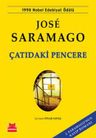
Okuduğum 10. Jose Saramago kitabı. Kitapta bir apartmandaki sıradan insanların günlük yaşamını anlatan bir olay örgüsü söz konusu. İnsanların yaşadığı problemler, ekonomik sıkıntılar, gündelik konuşmalar, cinsel özgürlük gibi faktörler ele alınmış. Diğer Saramago kitaplarına göre daha yalın bir dil kullanılmış ya da çevirmenin tercihi bu yöndeydi bilemiyorum. Benim en az sevdiğim Saramago kitabı oldu şimdiye kadar ancak yine de 6/10 puanı hak ediyor.
José MourinhoDeneme, İnceleme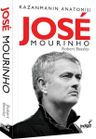
Oldukça akıcı ve eğlenceli biyografi. Çevirmenlikten futbol menajerliğine geçebilip, üstüne de kendi döneminin en başarılı menajeri olup kazandıkları ve kazandırdıklarıyla kesinlikle “the Special One” title’ını hak ediyor. Maçı ve oyuncuları çok iyi okuyabilen ileri görüşlü bir menajerdir Jose. Sir Alex Ferguson gibi açık sözlü, korkusuz ve gerektiğinde saygılıdır. Çok büyük takımları çalıştırmış bir büyük.
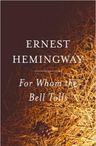
Firstly, I must indicate that I have not read this edition. I read For Whom The Bell Tolls by Penguin Books, printed in the 1950s and I consider myself lucky for this. The book was banned in Turkiye by the government in 1973 due to the high risk of propaganda against the unwanted government. In the same year, 11 publishers and 8 booksellers were sentenced to prison because of selling and publishing the book.
It starts with the poem of John Donne;
"No man is an island, entire of itself; every man is a piece of the continent, a part of the main. If a clod be washed away by the sea, Europe is the less, as well as if a promontory were, as well as if a manor of thy friend's or of thine own were: any man's death diminishes me, because I am involved in mankind, and therefore never send to know for whom the bells tolls; it tolls for thee."
Ernest Hemingway successfully shows the fierceness of the battle through the book and addresses the Spanish Civil War via the protagonist, Robert Jordan who is an American volunteer for the exploding the tactical bridge in the war. Upon meeting Maria, Jordan explores that one can feel every feeling, especially love during the hardest times and may find time to care for each other.
In some chapters, the reader could sense the unlimited brutalism of fascism. Through Donne's poem, Hemingway refers back to 'for whom the bell tolls' and to 'no man is an island' to demonstrate and examine his feelings of solidarity with the allied groups fighting the fascists.
The reader can also realize some of the actual figures that played a role in the Spanish Civil War are referred to in the book too, including André Marty, Robert Hale Merriman, and Indalecio Prieto who are mentioned in the chapters.
The book deserves to be accepted as Ernest Hemingway's