Puan vermedi·600 syf.·
2021 22. kitabı
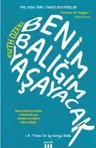
Ruth Ozeki’s new novel, The Book of Form & Emptiness, is an often moving story about two people struggling over the unexpected loss of a third. It’s also an ostentatious self-commentary about how we tell and receive stories through books.
Ozeki’s best-known work, A Tale for the Time Being (2013), was intensely interested in the dynamic interplay between two people — a teenage diarist living in Tokyo, writing about her life, and a writer living in Vancouver who reads about that life after she finds the diary. Leaving behind that clear binary for something more multiplicious, Ozeki’s latest work is as much about itself as it is about Annabelle and Benny, a mother and son living precariously in a contemporary West Coast American city.
Their husband and father Kenji, a loveable musician with a persistent drug problem, is killed by a truck transporting live chickens at the onset of the story. Without his unifying and vitalising presence, his wife and son must reckon with their weak hold on each other and on life more generally.
This sends them in very different directions. Benny begins to hear the voices of inanimate objects, as when a bird flies into a window at school and he takes in the window’s lament over this experience. Already a sensitive, lonesome teenager, Benny is met with scepticism when he tries to explain what’s happening, as much from the already floundering Annabelle as from his teachers, counsellors and, in time, the doctors he encounters once he’s medicated and hospitalised.
Thereafter, he finds more efficacious sources of understanding and support from a cerebral and sharp-tongued older girl, Alice. She’s a runaway addict-cum-artist and activist known as the Aleph, and she associates with the B-Man, an aphorism-dropping wheelchair-bound alcoholic