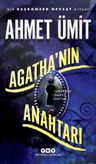
the fact that i didn't hate this makes me think. and i wrote a small essay on the queer story for personal reasons. here it is (spoilers ahead):
There's a story in here about a gay man who commits a murder with his lover and the upbringing of this entire plotline is so interesting that I will try to break it down.
Ahmet Ümit is not at all interested in describing his characters with many details. But when Başkomser Nevzat is introduced to this young man, Yusuf, he mentions his black mustache and burning hazel eyes; before describing him as "a man so beautiful that even the most innocent of women would be tempted by the sight of him."
It feels already weird enough that his main character -a masculine, macho type cop guy who solves murder mysteries- describes an another man's beauty in such delicate details. Even Ali, Başkomser Nevzat's assistant who is also a macho guy that puts in extra effort to look tough (because he's young and still learning), also calls Yusuf "quite handsome" at some point.
Now you might find yourself thinking, "Hm... There might be something queer going on in here." Because that's exactly what Ahmet Ümit wants you to think. But why? Why does this supposed to make you feel like this story is about to take a fishy, not-so-straight turn?
When Ali brings up Yusuf's good-looking nature, it's for a reason. Unlike Başkomser Nevzat who had described him as a beautiful man at the beginning to state a fact; Ali isn't there to state facts, Ali is there to make a point.
As they were interrogating the town-folk, Ali asks a man if there were any women who had tried to seduce Yusuf; because Yusuf's so handsome and all that.
[Since this guy is incredibly hot, women must throw themselves at him—Ahmet Ümit's trying to say. (In these particular stories; we

Shadowless
This is a weird book to read, and even weirder to review because the beginning was so totally freakish I felt lost, like very lost in 100 pages. But I kept reading because the book was short and I really wanted to give it a fair chance and to finish it. With that being said, the end was cool. About more than half of the way through the book I thought "oh hey, there is a plot!" and was finally very excited that I was starting to follow along more rather than spending the whole time confused in it.
The story is very surreal, it follows the lives of those living in a small Turkish village, and those who go missing/and are found there. I had to pause and reread a lot of scenes just to check if I missed a part that said the character had gone to bed and the story feels timeless too- at one point someone mentions a truck and it gave me such whiplash because I had assumed the story was taking place long in the past- although, that's what it's like in villages, they exist in their own world and time and are so apart from the giant cities in the country.
More ever, the story jumped from one place to another, it defied the laws of physics, it presented characters living in multiple realities, it had an overall hazy, dreamlike feel. But if the Author’s sole purpose was to just create this strange fantasy, where nothing quite makes sense and most questions are left unanswered, then that is what he achieved. But still I don’t know if the story is a metaphor for something bigger. Is there a symbol in the snake? A deeper meaning in the role of the barber or the watchman? Something more to understand in the (dis)connection between the village and the city?
Towards the end the story started picking up, some questions were answered and the plot and characters developed. I