
Summary of "The Little Black Fish" by Samad Behrangi
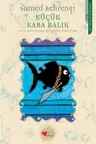
"The Little Black Fish" is a renowned Persian children's story by Samad Behrangi. The tale revolves around a small fish who yearns to explore the world beyond her small stream. Despite warnings from her mother and other fish, who consider her curiosity foolish and dangerous, the Little Black Fish sets out on a journey of discovery.
Throughout her adventure, she encounters various creatures, including a frog, a lizard, and a pelican, each offering different perspectives on life. She learns valuable lessons about courage, wisdom, and the importance of questioning the status quo. Eventually, she reaches the vast ocean, fulfilling her dream of exploration.
The story ends ambiguously, with the Little Black Fish's fate left uncertain after an encounter with a menacing heron. However, her legacy lives on, as other young fish are inspired by her story to pursue their own journeys of discovery.
Literary Review of "The Little Black Fish"
Samad Behrangi's "The Little Black Fish" is a powerful allegory that transcends its classification as a children's book. Written in 1968, the story reflects Behrangi's social and political views, particularly his advocacy for education and freedom of thought in a repressive society.
Themes and Symbolism
At its core, "The Little Black Fish" is a tale about the quest for knowledge and the courage to defy convention. The protagonist's journey symbolizes the human desire for freedom and self-discovery. Her determination to explore beyond her known world serves as a metaphor for intellectual and social liberation.
The various characters the Little Black Fish meets represent different ideologies and societal norms. For instance, the fish in the stream who dismiss her dreams symbolize those who are content with the status quo and fearful of change. Conversely, the creatures that help her along her journey reflect the supportive forces that encourage and facilitate personal growth.
Narrative Style and Structure
Behrangi employs a straightforward and engaging narrative style, making the story accessible to children while embedding deeper philosophical messages for adult readers. The story is structured as a journey, with each encounter offering a new lesson or challenge, maintaining a sense of progression and adventure.
The use of an open ending is particularly significant. It emphasizes that the quest for knowledge and freedom is ongoing and that true progress often involves uncertainty and risk. This narrative choice invites readers to reflect on their own lives and the societal structures around them.
Cultural and Political Context
"The Little Black Fish" was written during a time of political unrest in Iran, and its themes of rebellion and the pursuit of freedom resonated with many Iranians. Behrangi, a teacher and social critic, used his writing to highlight the importance of education and critical thinking in overcoming oppression.
The story's allegorical nature allowed it to bypass censorship, delivering its subversive messages in a manner that was palatable to both children and adults. The Little Black Fish's journey can be seen as a call to action for individuals to challenge authoritarianism and seek their own path to enlightenment.
Impact and Legacy
Since its publication, "The Little Black Fish" has become a beloved classic in Persian literature. It has been translated into numerous languages and continues to inspire readers around the world. The story's themes of courage, exploration, and resistance against conformity remain relevant, making it a timeless piece of literature.
In conclusion, Samad Behrangi's "The Little Black Fish" is a richly layered work that offers valuable lessons on courage, independence, and the quest for knowledge. Its enduring popularity is a testament to its powerful message and the universal appeal of its protagonist's journey.
·
214 Gösterim
Yorumlar
Lütfen giriş yapınız.