Handalf
@Ninjakappumbaa
”A wise man can learn more from a foolish question than a fool can learn from a wise answer.”
-Bruce Lee
“True wisdom begins when we accept things as they are.”
-Tenzin
”The important thing is to never stop questioning.”
-A. Einstein
Wizard
63 okur puanı
Ağustos 2020 tarihinde katıldı
Şu anda okuduğu kitap


Postmodern Map- Territory kaosunun en güzel örneği. Late capitalism ve Machiavelist karakterleri de bolca görüyoruz. Keşke filmi falan yapılsa. Kitabi her tekrar düşündüğümde vermek istediğim puan artıyor. Öyle bir etkisi var. Fazla referans, allusion a sahip.

Reklam
In the Depth of PostmodernismFelsefe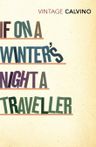
I've never read a book that was both so complex and so organized at the same time as this one. Metafiction, fragmented structure, questioning metanarratives, posthumanism, postcolonialism, and all the "post-" are combined in this book. The book's self-reflective nature and its direct conversation with the reader have made it one of my favorite books written from a second-person perspective. It has a style that leads the reader into paradoxes, confuses them, and definitely broadens their horizons. Especially the stories that follow each episode are like a narrative version of the main plot of that episode. For example, in the first chapter, we, as readers, embark on a journey. A reading journey. The title of the next chapter is "If on a winter's night a traveler". So it's about someone who's embarked on a journey, a traveler. But this episode is cut short, and our character's journey is interrupted. Just like we, the readers, are constantly interrupted by the narrator throughout this book. There's a mystery in this chapter. We don't know what that mystery is. We also encounter a mystery while reading this book; which book are we reading? Why is the book incomplete? Where is the rest? And in the next chapter, we, the readers, are on the hunt for the continuation of the previous story. We go to the bookstore and find another story that could be a sequel. But this story we found has been replaced by the main story. Just like the main plot of the story we are about to read. So throughout the book, we, the readers and narrators, speak first, taking on an active role. At the end of each chapter, we read a different story. And these stories are like continuations of the previous chapter's narrative.
This rather confusing book achieves its purpose: it bores the reader. But
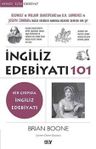
İngiliz tarihine ve dönemlerin ünlü yazarlarına kısa ve öz bir bakış atmak için çok güzel bir kitap. Çok detaya sahip olmadığı için daha çok bir rehber kitap gibi. Daha çok detaya inmek için elbette başka kitaplara da bakmanız lazım. Bu kitap, detayların içinde boğulabileceğiniz kaynaklar için rehberlik yapıyor, aradığınız bilgilere ve yazarlara kolayca ulaşabilmenizi sağlıyor. Bir anda aklınıza bir yazar geldiğinde, o yazar hakkındaki bilgileri sayfalarca uzunlukları olan kitaplarda aramak yerine, eliniz altındaki bu kitaptan kolayca bulabilirsiniz. Her dönem ve dönemin popüler yazarları hakkında genel bir bilgiler sunan bu kitap, özellikle İngiliz edebiyatına ilgisi olanların elinde mutlaka olması gereken bir kitap.
Fantastik bir kitaptan hayat dersi ve felsefesi...1000Kitap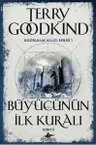
Bu bölümde daha önce hiç görmediğim çok farklı bir konu ve anlatı var. Öyle ki hiçbir şeyin göründüğü gibi olmadığı bu dünyada, siyahın beyaza, doğunun batıya, ilerinin geriye sahip olduğunu, yani tüm zıtlıkların aslında aynı olduğunu tüm çıplaklığıyla gösteriyor kitap bize. Aynı bir kağıdın iki yüzü olduğu gibi. Aslında herkesin her zaman karşılaştığı ve orada olduğunun farkında olmadığı bir bakış açısını sunuyor bize. Öyle ki iyi sandığımız kötü, kötü sandığımız iyi çıktığında şaşırmamıza engel olamıyoruz. Böyle bir anlatı potansiyelinin fantastik bir kitapta bulunmasını beklemediğimi itiraf etmem gerekiyor. Ki bu da benim olaylara sanki ortada tek bir gerçek varmış gibi baktığımı gösteriyor. Fantastik kitapları küçümseyen herkese önereceğim muhteşem bir başyapıt olma yolunda ilerleyen bu seriye tam puan vermeyi kendime görev biliyorum. Okuduklarımın hazzından ve şokundan ne yazık ki daha fazla yorum yapamayacağım. Öyle ki kelimelerim bile kifayetsiz kalacak kadar etkilendim. Bu muhteşem ilerleyişi diğer kitaplarda görmek dileğiyle....
 Terry Goodkind
  Büyücünün İlk Kuralı - Kısım 2
Terry Goodkind Büyücünün İlk Kuralı - Kısım 2Çeviride anlam yönünden, noktalama işaretleri yönünden ve yazım yanlışı yönünden çok hata vardı. Öyle ki kitabın son cumlesi bile yarıda kesilmiş vaziyette. Bunun dışında yazarın müthiş bir hayal gücü olduğunu fakat bunu yazı diline çok aktaramadığını gördüm. Bu hususta bir öyküyü okurken gidişat birden değişiyordu ve yer yer iki eylem arasındaki boşluklar oluşuyordu. Detaylı bir anlatım kesinlikle yok. Bu detaysızlık çoğu öyküyü okurken onlardan kopmama sebep oldu. Potansiyeli olan yazıların çoğu iyi başlayıp sönük bitti. Sanki yazar bunu yazdıktan sonra geri dönüp okumamış, düzeltmemiş, olduğu gibi bırakmış gibi. Birisi de bu kitabı yazardan alıp editöre vermeksizin basıma göndermiş gibi. Ve çeviri ekibi de o kitabı olduğu gibi almış, Türkçe dil bilgisi detayına inmeden bizlere ulaştırmış gibi.
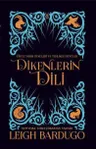
Bütün bunlar dışında üzerinde durmak istediğim bir tasarım hususu var. Kitabın gerek kapağı, gerek iç tasarımı muthis olmuş. Her sayfada okuduğumuz öyküye ait bir görsel bulunuyor. Ve bu görseller sayfalar ilerledikçe değişiyor, gelişiyor ve bize hikaye anlatmaya başlıyor. Bölüm bittiğinde bir bakmışsınız okuduğunuz kelimelerin bir de resim versiyonlarını okumuşsunuz. Kelimelerin renkleri ve resimlerin uyumu da müthiş. Kitap her ne kadar olay örgüsü bakımından detaysızlık içerse de tasarım konusunda bolca detaylar içeriyor.
Reklam