Ex'in next'ten iyi olduğu o kitap...

Vi keeland'ın çoğu erkek karakterleri mutlaka önceden deli gibi birine aşık oluyor. Yazar garip bir şekilde bundan hoşlanıyor. Öncelikle kitaplarına bunu bilerek başlamak lazım.
İKİNCİ KADIN KARAKTERLER bir şekilde araya giriyor yani.
Ben bu durumdan hiç hoşlanmıyorum ama garip olanı yine de kitaplarını arada okuyorum. Nadir de olsa güzel çıkan oluyor
Kitabın konusu,
Uzun uzun anlatmaya gerek yok. Tek gecelik ilişkiyle başlayıp f*ckbodyliğe geçen sonrada birbirlerinin sevmeye başlayan Natalia ile Hunter'ın ilişkisini ve aralarındaki engelleri okuyoruz.
Kitaba geçecek olursak, okumasam da olurmuş. Günümüzde geçen durağan, yine sevişmeler başlayıp ilerleyen Hunter ve Natalia'nın ilişkisini okuyorken Aynı zamanda adamın aşık olduğu diğer kadınla( Summer) geçmişlerini de okumaya devam ediyoruz.
Kitapta günümüz saçma ilişki dinamigini okurken, ana ilişkiden daha güzel bir ilk aşk hikayesi okumaya gerek var mıydı gerçekten? İlk ilişkisini yazsan daha iyiydi.
İlişkileri, duyguları bana o kadar geçmediği anlatamam. Sadece sevişme üzerine bir ilişki okudum. Bir an hoşlantıya döndü, Hunter olmaz dedi sonra yine seviştiler.
Hunter'ın eski sevgilisiyle olan sahneleri daha çok geçti yemin ederim. Onların ilişkisini okusam daha çok sarardı.
Natalia bekar bir anne diye okumaya başladım. Bekar anne baba kitaplarında iliskiler genelde tatlı ve güzel olur çünkü. Ama üvey anne kız ilişkisi(?) çok kötüydü. Kızı da hiç sevmedim. Bütün karakterler büyüklü küçüklü çok İTİCİYDİ.
Kitapta hiçbir DUYGU YOK, poker face ile kitabı okudum. Ne üzüldüm ne sevindim. Kitap bende sinir ve can sıkıntısı hariç hiçbir duygu uyandırmadı.
(Spoiler!)
Son sahnede Hunter'ın mezarın başına gidip Summer ile karşılaşması bana birbirlerine olan duygularının bitmediğini hissettirdi. Kız evli

CoHo'dan okuduğum 13.kitap ve artık aynı dramayı daha kaç farklı şekilde okuycaz merak ediyorum. CoHo'nun kitap yazmak için gerekli malzeme listesi:
1. Aşk üçgeni (farklı zamanlarda yaşanacak üçgen imajı çizmemeye çalışacak)
2. Ölen karakterler (tercihen erkek/kız arkadaş olmalı)
3. İkinci şans (ilkiyle bağlantılı olacak: arkadaş ve ya kardeşin ex aşkından next aşka daha makul)
4. Genç anne (15-17 yaş daha dramatize eder konuyu)
Karakterlerin aile travmalarını da eklersek çok net bir CoHo kitabını tanımlaya biliriz. Mevzu bahis olan kitabımıza gelecek olursak kitabın tek olayını da arka kapağında yazdıkları için kitabı okumamıza da pek gerek kalmadığını düşünüyorum. Ne karakterlerini sevdim ne duyguları bana geçti herşey o kadar yavan geldi ki. Aslında kazaya kadar olan kısmı ilk 100 sayfa güzeldi merakla okutuyordu kendini ama iş çarpık aşklar, sarsıntıda olan anne kız ilişkisine gelince kitabın okunacak tarafı da kalmadı. Sonlara doğru hava hakkı mirası, Miller'in süprizi gibi sevdiğim bir kaç yerler oldu sadece. Son olarak bunu söylemeden es geçemicem her ne kadar bestecilerinden nefret etsem de kitapta Sedir Sesleri göndermesi çok hoştu. Not: Sedir Sesleri CoHo'nun  Belki Bir Gün kitabındaki müzik grubu.
Kitabı tavsiye eder miyim pek etmem okuduğum için pişman mıyım aması yok değilim. İflah olmaz CoHo okuru olduğum için ne yazsa okurum. · ⋆
Belki Bir Gün kitabındaki müzik grubu.
Kitabı tavsiye eder miyim pek etmem okuduğum için pişman mıyım aması yok değilim. İflah olmaz CoHo okuru olduğum için ne yazsa okurum. · ⋆
Belki Bir Gün kitabındaki müzik grubu.
Kitabı tavsiye eder miyim pek etmem okuduğum için pişman mıyım aması yok değilim. İflah olmaz CoHo okuru olduğum için ne yazsa okurum. · ⋆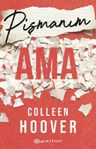

Her çiçeğin bir mevsimi, her kitabın bir zamanı vardır. Haziranın tadını yeni hikâyelerle çıkarın.

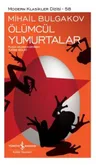
The Fatal Eggs is a science-fiction novella by Mikhail Bulgakov, a Soviet novelist and playwright whose most famous work is The Master and Margarita. It was written in 1924 and first published in 1925. The book became quite popular, but was much criticized by some Soviet critics as a satire of the Russian Revolution of 1917 and the leadership of Soviet Russia.
The Fatal Eggs can be described as a science fiction novel. Its main protagonist is an aging zoologist, Vladimir Ipat'evich Persikov, a specialist in amphibians. The narration begins in Moscow of 1928, which seems to have overcome the destructive effects of the Russian Civil War and is quite prosperous. After a long period of degradation, research at the Zoological Institute has revived. After leaving his microscope for several hours, Persikov suddenly noticed that the out-of-focus microscope produced a ray of red light; amoeba left under that light showed an impossibly increased rate of binary fission, reproducing at enormous speeds and demonstrating unusual aggression.
Later experiments with large cameras, to produce a larger ray, confirmed that the same increased speed of reproduction applied to other organisms, such as frogs, which evolved and produced a next generation within two days. Persikov's invention quickly becomes known to journalists, and eventually to foreign spies and to the GPU, the Soviet secret service. At the same time, the country is affected by an unknown disease in domesticated poultry, which results in a complete extinction of all chickens in the Soviet Russia, with the plague stopping at the borders of the country.
A sovkhoz manager Aleksandr Semenovich Rokk (whose name is also a pun on the novel's title, Rok meaning fate) receives an official permission to confiscate Persikov's

7/10
Nasıl net olduğum bir dönemdeyim anlatamam,bıraktım kitabı.Hiçbir kitabı,yarım bırakmayı sevmem öyle ki öğüre öğüre okurum nefret de etsem amma velâkin bu kitabı da yarım bırakıyorum. Çünkü öncesinde filmini izleme gafletine düştüm ve korktuğum başıma geldi;film öyle etkileyiciydi ki kitabı,sönük kaldı.Belki ilerleyen zamanlarda tekrar bir şans veririm gerçi " ex den next olmaz " derler ama,bakalım.
"Bu arada kitaptan da bahsetseydin bir zahmet" demesin incelememe denk gelen olursa,kitap keyifli.Yazım dili olsun,takık olduğum karakter tasvirleri olsun doyurucu kanımca.Yalnız okuduğum dönemdeki ruh halimden midir bilmem konuyu bütünleyememiştim bir süre sonra nedendir filmini izleyince anladım mevzuyu.Ama okunur,tavsiyedir yalnız filmini izlemeden önce okunması isabet olur naçizâne.