
bu kitabin yazarının akil sagliginin yerinde oldugunu asla dusunmuyorum. Kesinlikle okudugum en rahatsiz edici kitaplardan biriydi. Sondaki ters kosemsi olay iyiydi. Ancak kitap tamamiyla igrenc seylerden ibaret. Kendimi rahatsız hissetmek istiyorum diyorsaniz okuyabilirsiniz. Ancak kendi adima umarim bir daha bu kitabi acip okumak zorunda kalmam.
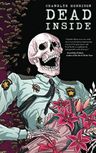
Dead Inside

Kelimelerle tarif edemeyeceğim kadar manyak bir kitaptı! Uzun zamandır hiçbir kitap beni bu kadar canlandırmamıştı.
Kardeşim sen ne yedin ne içtin ne yaşadın bu kadar da bu kitabı yazdın? :))) Yazarla tanışmayı inanılmaz istiyorum ama bir yandan da çok korkuyorum. Aynı odada yalnız kalmayı asla istemem. Bütün kitaplarını okuyacağım; ama ilk önce bunu hazmedip biraz kendime gelmem lazım :))))
Reklam
a review

Puan vermedi
The window imagery in “Wuthering Heights” is a multifaceted symbol, representing themes of confinement, isolation, desire for connection, and the interplay between the internal and external worlds. They often represent barriers and confinement. Catherine and Heathcliff frequently look out of windows, reminding lack of belonging or desire for escape. Also, the physical barriers of the windowpanes symbolize the isolation and emotional distance prevalent in the novel. While Catherine is sick, she wants Nelly to open the windows, so that the wall between Heathcliff's and her own worlds can be opened and their souls can blend. For the same reason, Heathcliff opens the windows before he dies, with his eyes open. When Nelly finds him dead, she compares his eyes to the "windows of hell" and tries to close them like a window.
The window becomes a metaphorical boundary between the civilized and the primal, tamed and wild. When Catherine and Heathcliff are children, they spy on the Lintons through the window, and they see how luxurious and "splendid" the Thrushcross Grange in contrast to Wuthering Heights. Moreover, windows blur the boundary between inside and outside, just as Heathcliff, an ambiguous and in-between character. Another window metaphor can be seen in Lockwood's relationship with the story. Lockwood listens to the whole story from Nelly as if he were looking through a window, literally peeping Heathcliff and Catherine's past.

İnceleme puanı: 5/10
Öncelikle şunu belirtmek isterim ki bu benim İngilizce orijinalinden okuduğum ilk roman oldu. Bundan önce Brandon Sanderson'ın henüz Türkçe'ye çevrilmemiş kitaplarını sabredemeyip okumaya çalışmıştım ama Sanderson'un dili de kurguladığı dünyalar kadar fantastik olduğu için gerçekten dil olarak daha ağır ve edebi bir dili vardı. Bu kitapta neredeyse hiç sorun yaşamadım ve aynı zamanda güzel kelimeler de öğrenmiş oldum. Her ne kadar sadece olay ve aksiyon üzerinden bir kitap olduğundan çok fazla alıntı olmasa da onları da da İngilizce aslında alıp kendim çevirip paylaşmaya çalıştım. İncelemeyi de hem Türkçe hem İngilizce yazmaya karar verdim bu yüzden :)
Gelelim kitabımıza. Aslında gerçekten öneri üzere ve heyecan ile başladığım bir kitaptı ve güzel de başladı kitap. Tabii mükemmel fantastik eserler gibi olay akıp o akan mükemmel olayların içinde Dünya'yı ve insanları tanıyor değildik ama eğlenceli ve akıcı bir şekilde tanıttı kitap en başta karakterleri. Ve genelde birçok başarısız bulduğum romanın başaramadığı ilgi çekici ve saran karakterler yazma sorununu bu kitapta görmeyince sanırım başarılı bir roman gelecek diye düşündüm ama ne yazık ki kitapta aradığımı bulamadım. Bunun ana sebebi de kitaptaki gizem eksikliği. Hatta eksikliğinden daha da öte hiç yok oluşu diyebilirim asdasf. Kitapta merak edeceğiniz hiç ama hiç birşey yok. Herşey beklenen gibi gidiyor ve zerre kadar merak ve heyecan duymuyorsunuz. Seriye giriş kitabı olduğu için böyle ileride farklı olucak diyenler olabilir ama hiç ama hiç katılmıyorum. 473 sayfa bir kitabı tek bir an bile merak etmeden okuyorsak gerçekten sıkıntılı bir durum var diyebilirim. Walking Dead benzeri denerek başladığım bir kitapta hem Walking Dead hem de zombi temasından aşırı zevk alan biri olarak kitapta ne
The thrill of doing something prohibitedManga

"I'm disappointed. In the end it turns out you're just like everyone else. Their vomit-like chatter and laughter hardening together like shit. Who has a crush on who... Who doesn't like who... All scum that would be better off dead! Just spewing out pretty words. Inside... all of you! Sex, sex! In the end, fucking sex is all you want!"
I really don't like Nakamura, but she is the only person who gets the flowers of evil that is blossoming in both Kasuga and her. The rotten and dark side of all humans is something we have to face at one point. And in reality, some people actually do face this part very early because of dark events in their lives. From what I get, Nakamura is someone who had to face this part because of bad events that happened to her whereas Kasuga deliberately delves into this darker world and his darker self and exploring it through the French poet's work, and now partially with Nakamura forcing him.
I had watched the anime before, and as far as I know it's unfinished because it didn't get a second season in animation. But I remember this very iconic episode. It's bland in manga but the animated version of the classroom scene in the anime is so cathartic that I go back to watch it from time to time.
This manga does a very good job making me feel rebellious against this wretched and stupid world at one moment and then making me feel embarrassed for feeling so by toning down those moments and turning them into shameful moments. It's a roller coaster.

Matilda, you talk of the pain like it's all alright
But I know that you feel like a piece of you's dead inside
You showed me a power that is strong enough to bring sun to the darkest days
It's none of my business, but it's just been on my mind
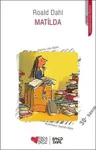
bazı kitaplar çocuk kitabı olmak için fazla üzücü
Reklam