
Çok güzel aktı ya xd Eksikleri kesinlikle var ama beni aşırı rahatsız etmedi. Bazı sahneler (davranışlar da diyebiliriz belki?) böyle biraz olmamış. Sanki bazı kısımlar sadece 2010lar wattpad etkisinde kalınmış gibi djsj Benim için sıfır sıkıntı çünkü ben de ordaydım :) Öyle hissettiren yerlerde durup mini bir dalga geçip kendi kendime eğlenip devam ettim. Bayadır beğendiğim kitapları bile hızlı okuyamazken bu kitap bana iyi geldi yaralarımı sardı


In Amis’s famous novel, London Fields, the witty language is used and highlighted in the book repatedly. With the use of wit and pan (word play) Amis creates one of the most intelligent written novel ‘London Fields’. These uses of high elevated language and word plays also gives us the hints of postmodern fiction. As the novel is considered one of the best novel representing postmodernism, one can appreciate it due to the style that the novel is written, by means of wit and language. To give examples from the book;
-It was fixed. It was written. The murderer was not the murderer. But the murderee had always been a murderee.
The quote from Samson Young foreshadows that the real murderer is not the one we think, it will change. However the murderee ‘Nicola’ will always be the victim, not be affected by the inconstant murderer.
- I know what his poetry will be about. What poetry is always about. The cruelty of the poet’s mistress.
In this quote we can also sense the metaphor that is made to Nicola. Here Samson , as a writer, claims that the poets are writing poetry due to the relationship between their mistresses. It is known that Young also writes a novel about Nicola, creating the same plot with the poets he criticizes.
-I close my eyes, trying to see a way- how do writers dare do what they do ? – and there is just chaos. It seems to me that writing brings trouble with it, moral trouble, unexamined trouble. Even to the best.
-When God got mad he was a jealous God. He had other planets, thanks, and in better parts of the universe. He promised plague, famine mile-high tides, sound-speed winds and terror, ubiquitous and incessant terror, with blood flowing bridle deep. He threatened to make her old and keep her that way forever… Cross that firebreak and then cross that

Reklam
Kamuya Ders Kitabı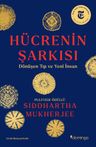

Muhtemelen uzun ve oldukça kişisel bir inceleme yazısı olacak.
Siddhartha Mukherjee gerçekten çok iyi bir hikaye anlatıcısıdır. Bu hikayelerini de iki ana örgü (bazen üç ana örgü) ile bize sunuyor. Bir hiyerarşi barındırmadan dilin imkanları çerçevesinde birinci ve ikinci demek durumunda kalacağım lakin; bu durum bir beğeni ya da önem farkına benim açımdan işaret etmeyecektir. Birinci olarak bilimsel bilginin günümüze nasıl geldiğinin anlatıcılığında çok kıymetli bir iş yapıyor Siddhartha. Kitabın içindeki her başlığın akademik yazındaki ilk noktasından günümüzdeki bilgi birikimine ulaşana kadar emek sarf eden her bir bilim insanına işaret ediyor ve okuyucuyu da bu kümülatif bilgi artışında aktif bir izleyici olarak ağırlıyor.
Diğer kısım ise okuyucu çektiği duygusal sayfalardır. Bir ders kitabı okurken okuyucu kendisini adı-sanı bilinen bir hastanın yanında Siddhartha'nın odasında şikayet dinlerken buluyor ya da hekim ile birlikte çare ararken... Aslında bu durum da duygusuz akademik bilginin omuzlarında yükselen romantize edilmiş güçlü beyaz önlüklülerin yükselmesine yol açıyor. Hastayı kurtarabilecek olan bilim insanları ya da hekimler...
Örgüdeki bir üçüncü kısım ise çok daha nadir de olsa önemli yerlerde Siddhartha'nın kendisidir. Onun duyguları, boş yollarda yürüyüşleri ya da kişisel aile işlerine dair satırlar. Yani, bu kitabın yazarı da bir insan olarak ve okuyucusuyla insani ilişki kurmaya devam ediyor.
Buraya kadar olan kısım kitabın nasıl kurgulandığı ile alakalı olsun. Devamı içinde Siddhartha taktiği kullanalım, durup durup farklı konulara sekelim.
***
Siddhartha bilimsel olarak anlaşılması zor konuları berraklaştırmada gerçekten iyi bir iş çıkarıyor. Tabii ki, bu yorum taraflıdır. Ben bu kitabın muhtevasındaki her bilgiyi en azından bir kaç kere ders

While the concept behind The Museum of Ordinary People was undeniably charming, the narrative itself felt somewhat underwhelming. As a reader who appreciates complex character arcs, I found the plot to be quite cliché; it followed a predictable trajectory that made the conclusion easy to foresee long before the final pages.
At times, the story felt unnecessarily protracted, spanning many chapters without offering much substantial development or "story." However, the saving grace of the novel was the central idea of the museum itself. The notion of a sanctuary for the mundane objects left behind by "ordinary" people—items that would otherwise be discarded or forgotten—is a beautiful, poetic concept.
It reminds me of the tactile memory we find in pottery or the vintage trinkets in a thrift shop. While the storytelling didn't quite live up to the brilliance of its premise, the museum remains a hauntingly lovely metaphor for how we honor those we have lost.


6/10
2026 7. kitabı
Güzel hoş falan ama o kadar yıl nasıl kafayı yemediler anlayamadım. Bir tane yorum görmüştüm 'i love them but may this situationship never find me' diye. Kitap hakkındaki bütün düşüncelerimin özeti.

Spoiler alert!!! But it was disappointing

I honestly don't know where to start... I guess this story meant to have feminist themes, but the characters were so shallow and caricatural that it actually felt anti-feminist.
Actually, the whole story reads like an anti-feminist's idea of a dystopian liberal women's community.
It's baffling that the premise relies on a community of women who want to live away from men, yet they are still so heavily dependent on a male writer for their economic well-being.
There are digital jobs, you know? A lot of women sell things on Etsy or find creative ways to make a living.
We see real-world examples of resilient women (even those who never had the chance to go to school) supporting themselves and their communities independently every day. Yet, this book insists on keeping everything male-oriented. There were no inspiring stories here, just women needing a male writer to make money so they could live like Smurfs.
ALSO, THEY COULD HAVE JUST FOUND A FEMALE WRITER WHO WANTED TO LIVE ON AN ISLAND!
Also, sorry, but what was that murder plan? Grady lying on the road dressed as a woman? Really? Is this dude a cartoon bandit? And why the cross-dressing? This is the second Alice Feeney book I've read where the villain is a man dressed as a woman.
Furthermore, how did his wife not hear him talking on the ground, see the phone, or hear the car approaching through the call? It feels like the author tried too hard to create a twist, to the point where it stopped making any sense.
Anyway, to be fair, this book was actually interesting and I couldn't stop reading for a while but the ending was just so disappointing that it immediately lost 3 stars from me.
Reklam
Reklam