Live, dear reader. Live.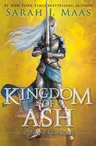

Olmaktan korktuğum yerdeyim maalesef muhteşem bir fantastik serinin sonuna geldim. Bitmemesi bu dünyadan kopmamak için büyük uğraşlar verdiğim araya sayısız farklı tür kitap dünya karakter

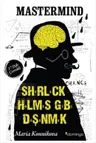
Öncelikle belirtmeliyim ki adından da anlaşılacağı üzere Sherlock Holmes hayranlarına hitap eden bir kitap Sherlock Holmes hikâyelerine aşina olmayanlar için sıkıcı bir okuma olacağını söylemeliyim. İçeriğinde Sherlock Holmes ve Dr. Watson'ın diyaloglarından alıntılar yapılarak Holmes ve Watson'ın beyinlerinin birbirinden nasıl farklı özelliklere sahip olduğunu bizlere sunuyor. zihnin bilimsel yönü, beyni bir çatı katına benzeterek içinde neler bulunmalı ve nasıl düzenlenmeli, gerekli ve gereksiz bilgileri ayırmamız gerektiği. Bakmak görmek demek değildir diyerek gözlem ve akıl yürütme sanatını nasıl kazanabileceğimizi ve buna bir de hayal gücümüzü ekleyerek tümdengelim sanatını kullanarak tüm olasılıkları nasıl değerlendire bileceğimiz ve de zihnimizi eski alışkanlıklarından kurtarıp daha geniş düşünmemizi sağlayabilecek metodlar hakkında bilgiler içeren bir kitap. Sherlock Holmes severlerin okumasını tavsiye ederim.
Reklam

My journey with this story began unexpectedly when I saw a vintage GIF of a young woman reading on a train. That aesthetic curiosity led me to the 1945 film and, eventually, this captivating novel.
What struck me most was the circular narrative structure; beginning and ending with Richard Harland’s return, it creates a sense of inevitability. While many focus on Ellen’s "monstrous" nature, I found the supporting characters equally unsettling. The "pure" characters—the Mother, Ruth, and Richard—were far from innocent. There was a subtle, pervasive gaslighting at play, particularly from Ellen's mother, which added layers of psychological complexity to the tragedy.
Richard often acted as a passive participant in his own life, behaving as though the marriage was something forced upon him, even though Ellen’s obsession was clear from the start. The presence of Danny served as a pivotal trial for everyone involved, pushing Ellen’s jealousy toward a point of no return.
Though Ellen committed truly heinous acts, the book succeeds because it shows a "Mastermind" created by an environment of emotional neglect and obsession. The finale was haunting and perfectly executed—a dark masterpiece of Technicolor Noir.

Zihnin Kaynak Kodları: Arzu ve Algoritma1000Kitap

Çoğu kişi bu kitabı kapağındaki "Zengin Ol" vaadine kanıp, ucuz bir piyango bileti umuduyla okuyor. Oysa Napoleon Hill, 1937 yılında yazdığı bu eserle aslında finansal bir tavsiye değil,

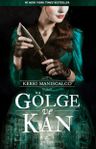
Kesinlikle çok beğendim. Sırf romantizm okuyucularına yaranmak için zeki erkek, savunmasız kadın yazılmamış; karakterlerin hepsi inanılmaz zekiydi. Mastermind ve flörtöz erkek karakterleri zaten çok seviyorum ama bunun yanında feminist ve zeki bir kadın tek kelimeyle muhteşem olmuş. 19. yüzyılda bile çevresindeki tüm erkeklere başkaldırdı kraliçe. Sadece plot twisti çok önceden öngörmüştüm, katil biraz tahmin edilebilirdi ama yine de okutturdu kendini. En sevdiğim seriler arasına gireceğinden şüphem yok.
Bu kitap roman değil Maria Konnikova Romanlardaki gibi sürükleyici bir tutum yok, her yazılan hoşunuza gitmeyebilir, aralarda sıkılabilirsiniz. Sherlock dizisi gibi hızlı tüketime uygun değil bu yüzden dolayı insanların bir1000Kitap
 Maria Konnikova Romanlardaki gibi sürükleyici bir tutum yok, her yazılan hoşunuza gitmeyebilir, aralarda sıkılabilirsiniz. Sherlock dizisi gibi hızlı tüketime uygun değil bu yüzden dolayı insanların bir
Reklam
Reklam