Rezalet Bir Çeviri

Puan vermedi
Kitabın çevirisi aşırı özensiz, kötü ve hatta hatalı. Ayrıca metinde çok ciddi bir eksiltme de var; yaklaşık %30 - %40 arası bir kırpma söz konusu. Çevirmen berbat bir iş çıkarmış. Bunu herhangi bir yapay zekaya - hatta Google Çeviriye bile çevirtip okumaya kalksak daha iyi sonuç alırız.
Çeviriden birkaç örnek vermek istiyorum.
1-) Orijinal kitaptan bir cümle:
"The garden was overgrown, full of red-flowering oleanders and with Asiatic pines round a ruined fountain."
Türkçe çevirisi:
"Sütunlarla dolu bahçe ise oldukça bakımlı görünüyordu. Harap olmuş bir çeşmenin etrafı çeşitli çiçeklerle doluydu."
Burada "overgrown" derken = yani bahçedeki otlar büyümüş, yabani otlar sarmış, BAKIMSIZ kalmış diyor. Bunu "Bakımlı" olarak çevirmek için gerçekten kötü ve yanlış çevirmeye çaba harcamış olmak lazım.
2-) Orijinal dilde bir betimleme:
"...with moving wrinkles under them as though the whole lower part of his face were on a hinge."
Yani karakter konuşurken yüzünün alt kısmının / çenesinin, bir menteşeye bağlıymış gibi hareket ettiğini söylüyor. Bu zihinde kolayca canlanabilen çok güzel bir görsel betimleme.
Ama Türkçe çevirisi:
"Zeki gözlerinin altında kırışıklıklar görülüyordu."
3-) Kırpılmış paragraflardan bir örnek:
"The Street of Tombs lies outside the walls of Pompeii. It leads from the Herculaneum Gate, descending a shallow hill like a broad trough of paving-blocks between a footway on either side. Cypresses stand up over it, and make this street of the dead seem alive. Here are the burial-vaults of the patricians, the squat altars hardly yet blackened to ruin. When this man heard his own footsteps there, he felt merely that he had got into a neglected suburb. The hot, hard light shone on paving-stones worn to ruts by cartwheels; on grass sprouting in cracks, and

On yaşındaki Oscar’ın 110 yıllık öyküsü… 72 sayfaya sığınmış koca bir ömür gibi yaşadı Oscar son on gününü. Ailesinin yetersizlikleri ile barışmayı öğrendi. Aşık oldu. Ayrılıklar yaşadı. Seyahatlere çıktı. Belki de ömrünün on yılında yaşayamadığı kadar macera yaşadı son on gününde… Bir bitkiyi sevmeyi öğrendi, çelimsiz Sahra bitkisinin görevini cesurca yerine getirisini izledi. Anlam aradı, etrafındakilere ışık oldu.
Ve on yaşında bir çocuk hayata gözlerini yumarken nice yetişkinin bulamadığı bir şey buldu “ var olmanın mutluluğu “…
Do not stand at my grave and weep
I am not there. I do not sleep.
I am a thousand winds that blow.
I am the diamond glints on snow.


0-30p: Kontrollü okuyucu 📖
40-70p: Hafif bağımlı 👀
80p+: Geçmiş olsun, kitaplar seni ele geçirmiş 😅
Tekrar basılmalı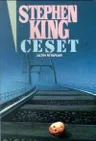

Stephen King’in yazdığı en iyi kısa roman! Kuşku Mevsimi (Different Seasons), aslında 4 kısa romandan oluşur. Zaten kitabın adı da buradan gelir, her mevsim için 1 kısa roman kaleme almıştır Usta. 1983’te Altın Kitaplar, bu kitaptan “Ceset” adlı kısa romanı çıkartıp; 3 kısa romanla “eksik olarak” kitabı yayımlamıştır! 1986’daki Stand By Me isimli Rob Reiner filmi
bütün dünyada yankı uyandırınca, Altın Kitaplar yaptıkları büyük hatayı fark etmiş olacaklar ki 1988’de apar topar, yanına Usta’nın Richard Bachman mahlaslıyla yazdığı Hiddet (The Rage) kısa romanını ekleyerek, Ceset adıyla yeni bir kitap bastılar. Kitap orijinal haliyle, 4 kısa roman olarak Türkiye’de yayımlansa, Stephen King’in en iyi kitabı olabilirdi… Tam 38 yıldır basımı olmayan bu kitap, umarım en kısa zamanda tekrar basılır.

Selamlar. Ben kitabın genel olarak abartıldığını düşünüyorum. Savaşın bütün trajedisini yansıtan bir hikaye olarak deneyime puanım 10/10 ancak kitabın işleyişi, evren, karakterler, anlatım gibi kriterleri değerlendirdiğimde puanım 8/10’e düşüyor.
Yorum kısmına geçmeden önce kitabı nasıl okuduğumu anlatarak başlamak istiyorum. Ben kitapları postitleyen biriyim. Bu kitabı okurken de bir renk postiti bilgi içeren bölümlere ayırdım. Yazar evren, olayların geçmişi, politika, güç itemleri, simya mantığı gibi gibi konularda bütün bilgileri hikaye akışında parça parça veriyor. Seri bir şekilde okuyup geçtiğinizde arada önemli bilgileri kaçırıyorsunuz. Yazarın akışta verdiği neredeyse her minik bilgi parçası kitabın ilerleyen bölümlerinde önemli bir detay haline geliyor. Birinci bölümü bitirdiğimde -300. sayfada - o kadarda önemsemediğim bilgi parçalarının başıma bela olacağını anlayıp kitabı baştan taradım ve bu bilgi parçalarını tekrar okuyup geri dönebilmek için postitledim. Size de en baştan okurken okuduğunuz her yeni bilgiyi postitlemenizi tavsiye ediyorum ki çok fazla katmanı olan bu kitaptan maksimum keyfi alabilin.
Kitapla ilgili söyleyeceğim bir sürü negatif şey var ama kitabın geçtiği savaş atmosferi o kadar iyiydi ki kitabın sonuna kadar merak ederek okudum. Kitap genel anlamda çok katmanlı. Ciddi bir politik altyapı işlemiş yazar. Sönmeyen Alev ülkeyi yöneten bir tarikat aslında. Bir tarafta Paladia’yı yöneten Sönmeyen Alev diğer tarafta da ülkenin sanayisini yönet metal loncaları var. Dini temsil eden ve kutsandıkları için ülkeyi sonsuza kadar yönetmeye hakları olduğunu düşünen Holdfast ailesi ve Sonsuz Alev’le ülkenin ekonomisi ve sanayisini elinde tutan metal loncalarının arası nesillerdir gergin. Morrough’nun gelmesiyle birlikte loncalar Morrough’un arafında


Les Rivières pourpres by Jean-Christophe Grangé
The novel begins with a disturbing murder in a quiet university town in the French Alps. At the same time, in another nearby place, a different investigation is unfolding, one that at first seems unrelated. As the story progresses, the two cases slowly begin to connect in unexpected ways.
Without revealing too much, the investigation takes the reader into a world of hidden secrets, elite institutions, and unsettling discoveries. It’s not just about finding a killer. It’s about uncovering something much darker beneath the surface.
What makes Les Rivières pourpres stand out is its atmosphere. The setting, cold mountains, isolated spaces, and closed communities, creates a feeling of tension from the very first pages. The environment almost feels like a character itself: harsh, silent, and unforgiving.
Grangé’s writing style is direct and fast-paced. The chapters are short, the scenes are vivid, and there’s very little unnecessary description. This makes the story feel urgent and cinematic. You don’t just read it, you move through it quickly, almost breathlessly.
There’s also a psychological layer. The investigators aren’t superheroes; they’re intelligent but human, with instincts, doubts, and limits. That realism makes the tension feel more believable.
Les Rivières pourpres became very successful because it goes beyond a simple “who did it?” mystery. The plot is carefully constructed, with twists that feel earned rather than random. The suspense builds steadily, and the stakes feel high.


hiçbir olayın olmadığı, karakterin hayatının sıradanlığının olduğu gibi aktarıldığı kitapları okumayı seviyorum. buna rağmen roman başlarda sabrımı epey sınadı yalan söyleyemeyeceğim. ama bir süre sonra açılıyor ya da ben açılıyorum galiba, romanın normal akışında gitmeye devam ettiğini ve değişen bir şey olmadığını düşünecek olursak.
ivan ve selin arasındaki ilişki roman boyunca cızırdıyor. asla patlamıyor. sönmüyor da. o gerilimi daima hissediyorsun. birbiriyle alakasız yazışmalarını, hiçbir yere varmayan muhabbetlerini, ve o kendine özgü aksak ilişkilerini okumak benim hoşuma gitti açıkçası. ama bazen düşünmüyor da değilim: acaba yazar böyle karakterler yaratıp onlara böyle dinamiğe sahip bir ilişki kurgularken aklından neler geçiyor? ben bunu okumaktan zevk alırken insan ilişkilerinin ne kadar komplike ve kendi anlayışımdan uzak olabileceğinin farkına vararak bundan haz mı duyuyorum yoksa iki korkak iletişim özürlüsünün yaşadığı şeyi romantize ederek kendimi gülünç duruma mı sokuyorum? yazar bu ikilemin farkında ve ondan besleniyor mu yoksa aslında aynı gülünç durumun içerisinde mi? bilmiyorum. en nihayetinde kendi realitemden uzak olduğu için zevk aldığım bir kitaptı. macaristan kısımlarını eleştirenler olmuş sıkıcı diye. bence güzeldi. sadece sonu korkunç aceleye gelmiş gibiydi. gerçi sonlara doğru selin'in ruh halinden artık devam ettirecek bir şeyin çok da kalmadığını seziyor insan. yine de gerçekten iyi bir şekilde yapılmadığı sürece çat diye biten şeyleri sevmiyorum. yürürken duvara toslamışım gibi, ışıklar birden sönmüş gibi hissettiriyor.
okurken çok eğlendiğimi söyleyemesem de, zaman zaman bana kendimi fazla yalnız hissettirse de sevdim kitabı. ama "inan bana hiç umrumda değil bu şu an biliyor musun" dedirten kısımları bolca var. okurken bunu demeye