Hamza Arda
@Amonhutep1

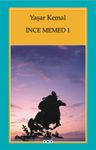
İnce Memed" by Yaşar Kemal is a literary masterpiece that delves into the heart of the human spirit, capturing the essence of resilience, justice, and freedom. Set in the rugged landscapes of rural Anatolia, Kemal weaves a rich tapestry of vivid imagery and compelling characters that resonate with readers across cultures.
At its core, "İnce Memed" is a tale of rebellion against oppression, as Memed, the protagonist, rises from the ashes of his impoverished upbringing to challenge the ruthless local landlord, the Aga. With unyielding determination and a deep sense of justice, Memed becomes a symbol of hope for the oppressed villagers, leading them in a fight for their rights and dignity.
Kemal's portrayal of Memed is masterful, as he artfully develops the character from a young, naïve boy to a heroic figure driven by a relentless pursuit of justice. Memed's journey is not only a physical one but also a psychological and emotional transformation, as he grapples with love, loss, and the complexities of his own identity.
The setting of rural Anatolia is a character in its own right, with its rugged landscapes, breathtaking beauty, and harsh realities. Kemal's lyrical prose vividly captures the sights, sounds, and smells of the environment, immersing readers in the world of the story. The social and cultural intricacies of the region are also expertly woven into the narrative, shedding light on the complex dynamics between the landowners and the peasants.
One of the most striking aspects of "İnce Memed" is Kemal's exploration of the themes of freedom and the pursuit of a meaningful life. Through Memed's journey, the novel raises thought-provoking questions about the nature of freedom, the price one must pay for it, and the sacrifices one is willing to make for a just
Reklam
Ölümsüzlüğü arayan kralEdebiyat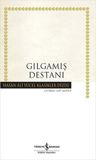
"In the ancient city of Uruk, a mighty king named Gilgamesh ruled with an iron fist, his power unmatched and his desires insatiable. But amidst the grandeur and opulence of his kingdom, a deep restlessness consumed him, as he yearned for immortality, an escape from the ephemeral nature of human existence.
In his quest for eternal life, Gilgamesh embarked on a treacherous odyssey, braving perilous challenges and facing formidable adversaries. Along his path, he encountered Enkidu, a wild man of remarkable strength, who became both his adversary and his most trusted companion.
Together, they ventured into the mysterious Cedar Forest, where the mighty Humbaba, the fearsome guardian of the trees, awaited them. With unwavering courage and a burning determination, Gilgamesh and Enkidu engaged in a titanic battle, their combined might shaking the very foundations of the forest. In the end, they emerged victorious, but the consequences of their audacity would soon unfold.
Tragedy struck when Enkidu fell victim to a divine curse, his once-vibrant spirit fading away, leaving Gilgamesh in profound grief and introspection. Driven by a desperation to escape the clutches of mortality, Gilgamesh set forth on a new quest, seeking the secrets of everlasting life.
His journey led him to the ends of the earth, crossing perilous seas, scaling treacherous mountains, and facing celestial trials. He encountered the wise Utnapishtim, who had survived the Great Flood and had been granted immortality. Utnapishtim shared his wisdom and revealed that true immortality lies not in evading death, but in embracing the fleeting moments of life.
Ultimately, Gilgamesh returned to Uruk, humbled but transformed. The experiences he had endured had taught him profound lessons about the impermanence of
"Iran'ın önemli modern yazarlarından biri olan Sadık Hidayet, 'Kör Baykuş' adlı eseri ile geniş bir tanınırlığa ulaşmıştır. Kör Baykuş, Hidayet'in en önemli eseri olup, hem edebi açıdan hem de toplumsal, psikolojik ve felsefi boyutları itibariyle karmaşık ve çarpıcı bir metindir.
Kör Baykuş, Hidayet'in başyapıtı olarak kabul edilir ve birçok eleştirmen ve okur tarafından modern Fars edebiyatının en büyük eserlerinden biri olarak kabul edilir. Eser, 1936 yılında Bombay'da Farsça olarak yazıldı ve 1941'de Tahran'da yayımlandı. Roman, birinci tekil şahıs anlatıcısıyla yazılmış olup, ana karakterin kendisiyle ve çevresiyle olan çatışmalarını, iç dünyasını ve düşüncelerini okuyucuya aktarır.
Eser, kendisiyle ve etrafındaki dünya ile sürekli bir çatışma halinde olan, intiharın eşiğinde bir adamın iç dünyasını ve ruh hali üzerine odaklanır. Hidayet, bu kahramanı kullanarak insanın varoluşundaki yabancılaşmayı ve anlamsızlığı, insanın kendi iç dünyası ve etrafındaki toplumla olan çelişkilerini ve çatışmalarını anlatır.
Yazar, ana karakterin psikolojik durumunu göstermek için dikkat çekici bir dille ve etkileyici bir biçimde yazar. Eserde yer alan dil, okuyucunun karakterin iç dünyasına derinlemesine girebilmesini sağlar. Özellikle hayal ve gerçek arasında gidip gelen, rüya benzeri anlatım tarzı, okuyucuyu hem etkileyici bir edebi deneyime davet eder hem de karakterin psikolojik durumunu daha iyi anlamasına yardımcı olur.
Kör Baykuş, Farsça adı "Boof-e Koor" olan bu roman, ana karakterin yaşamındaki yabancılaşmayı ve çaresizliği anlatır. Ayrıca, toplumun geleneklerine, normlarına ve değerlerine yönelik eleştirel bir bakış açısı sunar. Bu eleştirel bakış açısı, romanın sadece bir kişinin içsel çatışmasını değil, aynı zamanda daha geniş bir toplumsal çerçeveyi de ele almasını