euphy
@Zedanur
part-time teacher, full-time reader
Şu anda okuduğu kitap


Summary:
In "What is Man?" by Mark Twain, the author presents a dialogue between a young man and an old man, delving into philosophical questions about human nature. The old man, representing a deterministic viewpoint, argues that humans are merely machines driven by external influences and inherent nature. He believes that every action and thought is a result of conditioning and circumstances, rather than free will. The young man, who initially questions this perspective, gradually engages in a deep philosophical exploration of these ideas. The dialogue touches on themes such as free will, morality, and the essence of humanity, with the old man maintaining that humans cannot be credited or blamed for their actions, as they are not the true authors of them.
Literary Review:
Mark Twain's "What is Man?" is a thought-provoking piece that challenges readers to reconsider their understanding of free will and determinism. Twain employs a Socratic dialogue format, which effectively illustrates the philosophical debate and allows readers to see the reasoning behind the deterministic view. The old man's arguments are presented with logical consistency and persuasive rhetoric, making the reader ponder the validity of determinism.
Twain's use of clear, accessible language makes complex philosophical concepts understandable to a broad audience. The interplay between the two characters provides a dynamic and engaging narrative, making the text more than just a dry philosophical treatise. Twain's trademark wit and incisive observations about human nature add layers of depth and irony to the dialogue.
However, critics might argue that the deterministic view presented in "What is Man?" could be seen as overly reductionist, ignoring the complexity and variability of human


📚🔔 Tatil zili çaldı!
Bir yıl boyunca verilen emeklerin ardından şimdi dinlenme, keşfetme ve yeni maceralara atılma zamanı. 🌞
Bu yaz bol kahkahalı, bol anılı ve elbette bol kitaplı geçsin. Tüm öğrencilere keyifli tatiller diliyoruz! 💙📖
Konfüçyüs, gerçekten de hep uyumlu ilişkiler, önderlik ve devlet adamlığı üzerine konuştu; kişinin kendisini sorgulamasından, dönüştürmesinden, başkalarına ilham vermesinden ve erdemli biri olmak için sergilemesi gereken çabalardan söz etti. Bu yüzden, onun kurduğu felsefe geleneği, bir devlette düzeni egemen kılmayı bilen insanın nasıl yetiştirileceği sorununa çözümler getirirken, erdemi en önemli konu yaptı. Zira başkalarını yönetmek önce kendini yönetmek demekti ve erdem de onun gözünde, erdemli olmak isteyen insanın her zaman daha çok geliştirmesi gereken bir iç nitelikler bütünüydü.
Sayfa 22 - Say Yayınları

"Efsanevi yazar Antoine de Saint-Exupery, "Bir insanı kendi değer yargısında küçültecek hiçbir şeyi yazma veya söyleme hakkına sahip değilim. Önemli olan benim onun hakkında ne düşündüğüm değil, onun kendi hakkında ne düşündüğüdür. Bir insanın onurunu incitmek cinayettir," diyor."

"Dramatizasyon çağında yaşıyoruz. Artık gerçeği ileri sürmek yeterli değil. Bu gerçek canlı, ilginç ve dramatik olmalı. Gösteri yapma yeteneğinizi kullanmak zorundasınız. Bunu filmler yapıyor. Televizyonlar da yapıyor. Eğer ilgi çekmek istiyorsanız, siz de yapmak zorundasınız."
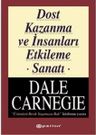
"How to Win Friends and Influence People" by Dale Carnegie is a timeless self-help classic that offers practical advice on interpersonal communication and relationship-building. The book, originally published in 1936, provides fundamental principles for improving social skills and influencing others positively.
Carnegie's insights revolve around fundamental concepts such as genuinely listening to others, showing appreciation, and avoiding criticism. He emphasizes the importance of making people feel important and valued, asserting that these actions lead to stronger, more fulfilling connections.
The book is divided into four parts, covering topics like handling people, making people like you, winning people to your way of thinking, and changing people without arousing resentment. Each section contains anecdotes, real-life examples, and actionable tips, making the book accessible and practical for readers.
Overall, "How to Win Friends and Influence People" remains relevant and impactful due to its focus on timeless principles of human interaction. It serves as a valuable guide for anyone seeking to enhance their social skills, build lasting relationships, and succeed in both personal and professional endeavors.
I thoroughly enjoyed "How to Win Friends and Influence People" by Dale Carnegie. The practical wisdom shared resonated with me, and I find myself planning to revisit the book periodically to reinforce and apply the valuable advice it offers. Carnegie's insights are not just a one-time read but a guide I anticipate turning to for ongoing personal and professional development.