You are not alone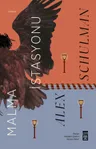

Yaralı insanlar, insanları yaralar. Hurt people, hurt people...
Yazarın ince bir oya gibi işlediği kurguyu, dilini ve anlatımını çok sevdim. Daha evvel İsveç edebiyatından bir eser okumamıştım. Açıkçası merak edip okumayabilirdim de arkadaşımın önerisi ile başladım. Ancak roman çok içimizden çok bizden geldi bana. Travmalar, yaralayan aile ilişkileri sanırım nereye gidersek gidelim aynı. Dili ya da dini yok acının, yalnızlığın... Çağdaş dünya edebiyatı çok okuduğum bir tür değildi. Genellikle klasiklere ya da bilgilendirici içeriklere yönelirim. Bu aralar hep çağdaş dünya edebiyatı okudum ve çok keyif aldım. Su gibi akıyor, bir çırpıda bitiveriyor kitaplar.
Anne babalar çocuklarına kaderlerini de aktarıyor bazen. Aynı şeyler farklı zaman dilimlerinde tekrar tekrar yaşanabiliyor. İncelemenin bundan sonrası kitapla ilgili bilgi verebilir henüz okumadıysanız yazıya devam etmeyin!!!
Yana ve Harriet parelel acılar yaşıyor bir nevi. Harriet kendi yarasını kızına miraz bırakıyor sanki benzer yerden onu da yaralayarak.
Sen yalnız değilsin, dediklerimiz bazen en yalnız bıraktıklarımız oluyor. Kendi acımızın içinde kaybolup yanımızdakine verdiğimiz acıya körleşiveriyoruz. "Biri gelip seni yıkıyor ama o birini de başka biri yıkmış. Domino taşları gibi*" Böylece kendi felaketimizden keyif almaya başlıyoruz. Kendi geçmişimize saplanıyoruz ve her şeyi ondan biliyoruz.
Romanın sonlarına doğru gerçekten heyecanlandım, ne olacak yazar tüm bunları nereye bağlayacak diye... Bir ara hiçbir şey olmadan bitecek sandım sonra öyle güzel bir yerden bağlandı ki bittiğine üzüldüm.
Bazen Harriet'a çok kızdım ama sonra hep anladım onu, kızamadım. Oscar gibi... Bir ara Yana göl evine gittiğinde oradaki yaşlı kadın ve kızının da hikayeye ekleneceğini düşündüm ancak bu olmadı.
Sonuç olarak
A Critical Review of Humankind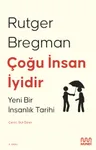

Rutger Bregman’s book Humankind is one of the books that questions negative ideas about human nature and makes readers think. For many years, many people believed that humans are naturally selfish, bad, and only care about themselves. However, Bregman does not agree with this idea. According to him, human nature is not as dark as people think. Instead, people are more willing to help each other, understand others’ feelings, and do good things. In the book, the author supports these ideas with many examples from wars, psychology experiments, history, and biology. One of the best parts of the book is that it gives hope about humanity. Still, when I finished the book, I did not only feel admiration. On one side, I was happy to read it because it made me think differently. On the other side, some of the author’s ideas felt too optimistic to me. Because of this, the book was both interesting and questionable for me.
One of the strongest parts of the book is that it makes people question ideas about human nature that many accept without thinking. Today, we often see violence, murder, wars, and fights on television, social media, and in the news. After some time, people start to believe that the world is full of bad people. At this point, Bregman asks an important question: If humans were really bad by nature, how could societies survive for so many years? A big part of human history was shaped by helping each other, working together, and surviving together. From this side, the writer’s ideas are important and meaningful.
His ideas against the belief that humans are naturally wild are especially interesting. Today, when someone behaves badly, people sometimes say, “Did you grow up in a cave?” However, Bregman says that hunter-gatherer societies were not as violent as many

0-30p: Kontrollü okuyucu 📖
40-70p: Hafif bağımlı 👀
80p+: Geçmiş olsun, kitaplar seni ele geçirmiş 😅

You are not alone!
Kısa öyküler sandığım ama içine çekince, hikayenin müthiş bağlantıları beğendiğim bir kitap.
Her karaktere üzüldüm galiba:(
Bu yüzden hepsine diyorum ki; YANA

"But, alas, I had done what I had determined not to do; I had slipped unthinkingly into praise of my own sex." (page: 121)
A Room of One's Own is best understood when we first reflect on what feminism actually represents. Is it merely a demand for equality? Or a rebellion against centuries of imposed roles and limitations placed upon women? Even today, when we read about the historical denial of women’s most basic rights and freedoms, we are still surprised, perhaps because contemporary society presents such a different image of gender roles.
Let us imagine a world in which women were confined solely to domestic responsibilities: raising children, sewing, and managing the household, often forced into marriage and denied access to education. A world in which they had no private space, not even half an hour truly their own. In Woolf’s argument, the absence of such material and intellectual space explains why fewer women emerged as successful writers. Without a room of one’s own, she suggests, a woman is also deprived of an inner world that belongs to her alone. Nothing is truly hers; everything is defined through ownership by men. Even the impulse to resist such conditions is gradually suppressed.
Woolf’s writing carries a clear sense of intellectual rebellion. She questions why women could not live as freely as men, and imagines the creative potential that might have emerged under equal conditions. She also attempts to explain male claims of superiority through psychological and social patterns: insecurity masked as dominance, and the need to define oneself as superior to at least half of society in order to compensate for internal doubt. Meanwhile, women, historically excluded even from libraries and formal education, were denied the very conditions necessary to


Çocuğunuzu ne zaman kaybedersiniz?
Bir tren istasyonunda kaç farklı hayat hikâyesi bulabilirsiniz? Peki ya kaç farklı ruh hali?
Yazarın okuduğum ikinci kitabı.  Hayatta Kalanlar’dan sonra diyebilirim ki zirveye taşımış kalemini.
Ondaki gizemi ve seçtiği konulardaki kırılganlığı seviyorum. Çünkü kendisi de ayrı kırılgan… Bu satırları yazmış bir kalem, bu duygulara çocukluğunda gerçekten maruz kalmış desem? Çocuk travmalarını bu kadar net anlatabilmesinin sebebi, gerçekten yaşamış olması olduğunu öğrenince çok üzüldüm.
Aile çok hassas bir kavram. Anne, baba olmak kolay bir şey. Peki anne, baba gibi davranabilmek?
Yalnızsın,bu hayata seni getiren insanlar tarafından çocukluğunda bile reddediliyorsan yalnızsın.
Hayatta Kalanlar’dan sonra diyebilirim ki zirveye taşımış kalemini.
Ondaki gizemi ve seçtiği konulardaki kırılganlığı seviyorum. Çünkü kendisi de ayrı kırılgan… Bu satırları yazmış bir kalem, bu duygulara çocukluğunda gerçekten maruz kalmış desem? Çocuk travmalarını bu kadar net anlatabilmesinin sebebi, gerçekten yaşamış olması olduğunu öğrenince çok üzüldüm.
Aile çok hassas bir kavram. Anne, baba olmak kolay bir şey. Peki anne, baba gibi davranabilmek?
Yalnızsın,bu hayata seni getiren insanlar tarafından çocukluğunda bile reddediliyorsan yalnızsın.
 Alex Schulman’ın kalemi bildiğimiz gibi, her şey hemen netleşmiyor, karakterleri anladıkça yaşadıklarına tanık oluyorsunuz. Bayağı ustaca kurgulanmış. Geriye gidip gelmeleri çok iyi anlatıyor. Ve öyle bir sonu var ki… Çok etkilendim, gözlerimin dolduğu yerler oldu. Oskar, Harriet… Size yine de sarılmak istedim. Hiçbir şey sebepsiz değil, bugün bizi biz yapan şey, tamamen çocukluğumuzun nasıl geçtiğiyle ilişkili. Ve Yana, you are not alone. Sana da sarılıyorum…
Hayatta Kalanlar’dan sonra diyebilirim ki zirveye taşımış kalemini.
Ondaki gizemi ve seçtiği konulardaki kırılganlığı seviyorum. Çünkü kendisi de ayrı kırılgan… Bu satırları yazmış bir kalem, bu duygulara çocukluğunda gerçekten maruz kalmış desem? Çocuk travmalarını bu kadar net anlatabilmesinin sebebi, gerçekten yaşamış olması olduğunu öğrenince çok üzüldüm.
Aile çok hassas bir kavram. Anne, baba olmak kolay bir şey. Peki anne, baba gibi davranabilmek?
Yalnızsın,bu hayata seni getiren insanlar tarafından çocukluğunda bile reddediliyorsan yalnızsın.
Alex Schulman’ın kalemi bildiğimiz gibi, her şey hemen netleşmiyor, karakterleri anladıkça yaşadıklarına tanık oluyorsunuz. Bayağı ustaca kurgulanmış. Geriye gidip gelmeleri çok iyi anlatıyor. Ve öyle bir sonu var ki… Çok etkilendim, gözlerimin dolduğu yerler oldu. Oskar, Harriet… Size yine de sarılmak istedim. Hiçbir şey sebepsiz değil, bugün bizi biz yapan şey, tamamen çocukluğumuzun nasıl geçtiğiyle ilişkili. Ve Yana, you are not alone. Sana da sarılıyorum…
cok etkilenmedim nedense. hikaye belki guzeldi ama konu oldukca uzatilmis geldi okurken hizli gectigim yerler oldu. karakterlerle bag kuramadim. you are not alone - yana da zorlama geldi mesela