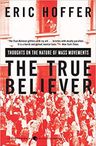
Eric Hoffer’ın 1951 yılında yayımlanan "Kesin İnançlılar (The True Believer) adlı eseri, kitle hareketlerinin psikolojisini ve bu hareketlere katılan bireylerin ortak özelliklerini inceleyen bir yapıttır. Hoffer, bir liman işçisiyken edindiği gözlemlerle akademik olmayan ama son derece keskin bir dille toplumsal değişimlerin "neden"lerini sorgular.
İşte kitabın temel argümanlarını içeren özeti:
1. Kitle Hareketlerinin Doğası
Hoffer’a göre dini, siyasi veya sosyal tüm kitle hareketleri (Hristiyanlık, İslam, Komünizm, Nazizm vb.) özünde aynı psikolojik mekanizmayla çalışır. Bu hareketlerin başarısı, sundukları öğretinin doğruluğundan ziyade, bireyin kendinden kaçma ve bir bütünün parçası olma ihtiyacına cevap vermesinden gelir.
2. "Kesin İnançlı" Kimdir?
Kitabın merkezindeki figür, hayatından memnun olmayan, hayal kırıklığına uğramış kişidir. Hoffer bu kişileri şu gruplara ayırır:
* Yoksullar:Ama özellikle "yeni yoksullaşanlar". Gelecekten umudunu kesmiş olanlar değişime en açıktır.
* Uyumsuzlar: Topluma entegre olamamış, yeteneklerini sergileyememiş kişiler.
* Bencil Olmayanlar:Kendi hayatını değersiz görenler, kendilerini yüce bir dava uğruna feda ederek anlam bulmaya çalışırlar.
3. Özveri ve Birliğin İnşası
Bir kitle hareketinin hayatta kalması için bireyin bireyselliğini yok etmesi gerekir. Hoffer bunun için şu araçların kullanıldığını belirtir:
* Nefret: Ortak bir düşman, farklı insanları bir arada tutan en güçlü yapıştırıcıdır. "Nefret, sevgiden daha birleştiricidir."
* Taklit: Birey kendi kararlarından kaçıp lideri veya grubu taklit ederek sorumluluktan kurtulur.
* İnanç:Gerçeklere dayanan bilgi şüphe uyandırırken, "kesin inanç" (dogma) sorgulamayı bitirir.
4. Hareketin Aşamaları ve Liderlik
Hoffer, kitle hareketlerini yöneten üç tip lider tanımlar:
1. Kelâm

Spirit of CapitalismSosyoloji

> "It was the power of religious influence, not alone, but more than anything else, which created the differences of which we are conscious to-day”
Max Weber saw reformation as a new form of religion control, not elimination of Church’s ones. His aim focused on finding intimate relationship between asceticism and capitalism.
He emphasized that commercial and social interests determine opinions and altitudes of people. In today's world, person should make adapted his manner of life to conditions of capitalistic success.
“The capitalistic economy of the present day is an immense cosmos into which the individual is born, and which presents itself to him, at least as an individual, as an unalterable order of things in which he must live”
As he said: “Spirit of capitalism might be understandable, as has been said, purely as a result of adaptation”
For to discover ideal type of person who owns spirit of capitalism use Franklin.
He gets nothing out of his wealth for himself, except the irrational sense of having done his job well
One major principle of Capitalism is Labor must be performed as if it were an absolute end in itself, a calling. For providing this, Human must be able to cover some characteristics. Such as: cool self-control and frugality which enormously increase performance, being free from continual calculations of how the customary wage may be earned with a maximum of comfort and a minimum of exertion
To achieve its goal(increasing the productivity of human labor by increasing its intensity), modern capitalism was faced traditional worker’s character who did not ask how much can I earn in a day if I do as much work as possible? but how much must I work in order to earn the wage for take care of my traditional needs?”
And even to describe ideal type of

Bu yaz yanınızdan ayırmak istemeyeceğiniz kitapları sizin için bir araya getirdik.
💬 Siz olsanız bu listeden hangisiyle başlardınız?

In the beginning, I was not really getting the book,but coming to an end,I literally started feeling the book.I'm not a believer but book is so pure and captivating (parts of Ella and Shams,mainly)
Pure English is used in a book that makes it easier to grasp and read in a flow.It was a deep indulgence and now it requires some reflection to do on it.
It raises a lot of deep topics and topics we want to talk about our entire life.Many lines that are so true and relatable.I will read all books of Elif Shafak,that's for sure.


#erichoffer okuyup sindirebilene ne mutlu ki, o ben değilim hem kitaplarına hem de notlarıma birden fazla bakmam gerekecek ️
Eric Hoffer kimdir?
1968 yılında bütün dünyaya gerçek bir filozof ol-duğunu kabuI ettiren 66 yaşındaki Eric Hoffer, Amerikansiyasi bilimler alanında en tanınmış öğretim müessesesi_*olan California Üniversitesinde (Berkeley) Siyasi Bilimler Araştırma Bilgini olarak göreve başlamıştır.Eric Hoffer, emekliye ayrıldığı 1967 yılına kadar inşaat ve maden işçiliği yaptıktan başka 20 yıl süreyle San Francisco limanında fiilen rıhtım hamalı olarak}çalışmıştır. Kendi kendini yetiştirmiş ve pek çok sayıda eser okumuştur. Konuşmaları, aydın çevreler tarafından büyük bir ilgi ile izlenmektedir.The True Believer (Gerçek İnanç Adamı) isimli ilk kitabının yarım milyondan fazla satış yapmasına ve12 yabancı dile çevriImesine rağmen Eric Hoffer emekli oluncaya kadar rıhtım hamallığını bırakmamış ve kendisine verilmek istenen önemli görevleri reddetmiştir. Ayrıca Hoffer 5 yaşında annesini kaybetmiş ve aynı yıl hiç sebepsiz görme kaybı yaşamıştır. 15 yaşında yine hiç sebepsiz tekrar görmeye başlamış ancak yaşıtları gibi okul hayatı da olamamıştır. ilginç bir hayat hikayesi olan bu filozofu en azından bugün yazdığı kitapları vasıtasıyla tanıyabiliyor olmak büyük mutluluk... Teşekkürler Eric, iyiki geçtin hayatımdan
.
.
#akilfikirgezegeni


This book aims to identify the dynamics of all types of mass movements, including religious, social and nationalist movements. Since a significant number of people are one way or another part of one of these movements, the book appeals to a big audience. I found the book interesting as a devout Muslim especially given the fact that Hoffer categorizes me as a “fanatic frustrated”.
Although I disagree with most of the author’s arguments & theories, I kind of liked the book since it expanded my intellectual capacity by provoking me with out of the box claims/questions and making me think over the things that I have never thought before. Also, some useful information on human psychology is scattered throughout the book.
I think, the main weakness of Hoffer’s arguments is the fact that they are mostly oversimplified generalizations. He draws generalized conclusions from very specific events in history which does not apply to all mass movements. For example, he claims that “All mass movements generate in their adherents a readiness to die, fanaticism, hatred, intolerance; demand blind faith and singlehearted allegiance.” Just to refute that we can easily tell that God asks Muslims to use their minds 49 times in Quran (Holy book). How can such a religion be called as “demanding blind faith”?
Another example of an invalid generalization is this: “Where opinion is not coerced, people can be made to believe only in what they already know.” Based on this claim there is no such thing as people learning, researching something new and then accepting it on their own without coercion.
I believe Hoffer focused too much on communism and fascism while drawing these kinds of conclusions about mass movements.
Another interesting point is Hoffer implicitly claims that man shall think for
Puan vermedi
This book aims to identify the dynamics of all types of mass movements, including religious, social and nationalist movements. Since a significant number of people are one way or another part of one of these movements, the book appeals to a big audience. I found the book interesting as a devout Muslim especially given the fact that Hoffer categorizes me as a “fanatic frustrated”.
Although I disagree with most of the author’s arguments & theories, I kind of liked the book since it expanded my intellectual capacity by provoking me with out of the box claims/questions and making me think over the things that I have never thought before. Also, some useful information on human psychology is scattered throughout the book.
I think, the main weakness of Hoffer’s arguments is the fact that they are mostly oversimplified generalizations. He draws generalized conclusions from very specific events in history which does not apply to all mass movements. For example, he claims that “All mass movements generate in their adherents a readiness to die, fanaticism, hatred, intolerance; demand blind faith and singlehearted allegiance.” Just to refute that we can easily tell that God asks Muslims to use their minds 49 times in Quran (Holy book). How can such a religion be called as “demanding blind faith”?
Another example of an invalid generalization is this: “Where opinion is not coerced, people can be made to believe only in what they already know.” Based on this claim there is no such thing as people learning, researching something new and then accepting it on their own without coercion.
I believe Hoffer focused too much on communism and fascism while drawing these kinds of conclusions about mass movements.
Another interesting point is Hoffer implicitly claims that man shall think for