Zeynep
@breidx
what will your verse be?
Fransız Dili Ve Edebiyatı
1 Eylül 2002
109 okur puanı
Ekim 2020 tarihinde katıldı






%49 (320/647 syf.)

0-30p: Kontrollü okuyucu 📖
40-70p: Hafif bağımlı 👀
80p+: Geçmiş olsun, kitaplar seni ele geçirmiş 😅
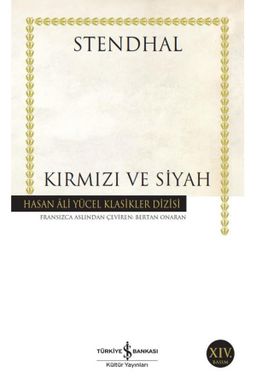
Seni gidi tembel, seni! Bıçkıya bakarken, demek hep uğursuz kitaplarını mı okuyacaksın böyle? Akşamları, papazın evine gidip dalga geçeceğine oku şunları, rahat etsin için.
Julien, tokadın ağırlığından serseme dönmüş, ağız burun kan içinde kalmış olduğu halde, yeniden işinin başına, bıçkının yanına gitti. Duyduğu acıdan çok o gözü gibi sevdiği kitabının yitirilişinden ötürü, gözleri dolu dolu olmuştu.

As Canadian ice hockey superstar Wayne Gretzky famously said, “You miss one hundred percent of the shots you don’t take."
Good failures are those that bring us valuable new information that simply could not have been gained any other way.
Today, over a thousand research papers in fields ranging from education to business to medicine have shown that teams and organizations with higher psychological safety have better performance, lower burnout, and, in medicine, even lower patient mortality. Why might this be the case? Because psychological safety helps people take the interpersonal risks that are necessary for achieving excellence in a fast-changing, interdependent world. When people work in psychologically safe contexts, they know that questions are appreciated, ideas are welcome, and errors and failure are discussable. In these environments, people can focus on the work without being tied up in knots about what others might think of them. They know that being wrong won’t be a fatal blow to their reputation.