
Liberals welcomed higher criticism because they recognized a radically different view of the Bible was necessary for intelligent moderns. They felt free from the need to defend the whole Bible as the infallible Word of God. They no longer had to take into account a God who killed the firstborn sons of the Egyptians or who ordered the Israelites to kill their enemies to the last woman and child or who sent bears to maul children who poked fun at a prophet.
The studies of the higher critics, said the liberals, make it clear that God has revealed himself through an evolutionary process. It began with primitive, bloodthirsty ideas of a tribal God and showed how the Jews slowly came to grasp the idea of a righteous God who can be served only by one who does justly, loves mercy, and walks humbly with his God. This evolutionary revelation of God, they said, finds its fulfillment in Jesus, where God is portrayed as the loving Father of all humanity.

Luther believed that the human will was enslaved, totally unable, apart from grace, to love or serve God. But Erasmus considered this a dangerous doctrine since it threatened to relieve a person of his moral responsibility. What Luther regarded basic to biblical religion, Erasmus dismissed as inhumane.
The differences in the Reformation and the Renaissance lie right there, in the view of humanity. The Reformers preached the original sin of humanity and looked upon the world as fallen and under God’s curse. The Renaissance had a positive estimate of human nature and the universe itself.
Reklam

"Asher Solomon'un 1930'da yazdığı şiir kitabı For Love
of All Humanity. Tüm İnsanlığın Sevgisine... Bu kitabı dünyadaki başka hiçbir dükkânda ya da evde bulamazsın ya da en azından bu ihtimal çok zayıf. O geleceği parlak bir şairdi, göz ardı edilemeyecek kadar yetenekliydi ama kitap halka mal olduktan sonra Naziler, bu kitap hariç buldukları her nüshayı yaktılar. Bu da büyükanneniz genç bir kızken ona imzalı bir şekilde hediye olarak gelmiş. Yahudi olmak ve herkesi sevmek, Hitler'in gözünde günahtı ve karşıt görüşleri dile getiren tüm Yahudi veya Alman olmayan yazarların kitaplarını yakmaya başladı. 1933 yılı boyunca yirmi beş bin kitap yaktılar."
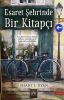

My greatest wish for humanity is not for peace or comfort or joy. It is that we all still die a little inside every time we witness the death of another. For only the pain of empathy will keep us human. There's no version of God that can help us if we ever lose that.


The opioid crisis unfolded because greedy people -Latin drug lords and American pharma executives- lost their humanity when they saw the astounding profits that could be made." And the government response? In Kristof's words, "Our policy was: 'You get 15 people hooked on opioids, and you're a thug who deserves to rot in hell; you get 150,000 people hooked, and you're a marketing genius who deserves a huge bonus.'

Orthodoxy represents an interesting contrast to Roman Catholicism. The great theme of Orthodox theology is not legal standing before God but the incarnation of God and the recreation of human beings to reflect more of God’s image. According to Orthodoxy, when people sin they do not violate the divinely established legal relationship between God and that person (a dominant idea in Catholicism and Protestant teaching); they reduce the divine likeness—they inflict a wound on the image of God.
Salvation, therefore, consists of the restoration or perfection of the full image of God within people. Christ, the incarnate God, came to earth to restore the icon of God in humanity. The major themes of Orthodoxy, then, are rebirth, recreation, and the transfiguration of women and men.
Reklam
Reklam