"Heaven is only people you met"1000Kitap

"Sum," is a collection of stories about the afterlife and the possibilities are endless. The author, David Eagleman, uses the far reaches of his imagination to create forty unique takes on afterlife. Death and what follows is, to many, a mysterious subject and the author capitalizes on that mystique. Eagleman presents his many scenarios of what might be or what could be in the afterlife. The author takes the image of the creator to the extremes. In one narrative, "The Microbe," he describes god as the size of a microbe, so small that he does not know that we exist. In another tale, the reader is told that god is a Giantess who is so large that it is virtually impossible to communicate with her.
Many of the stories focus on the consciousness of those entering the afterlife. For example, in "Graveyard of the Gods," afterlife is for man and for everything created or made by man. Therefore, anything that man invented has an afterlife. Everything from toasters to grand pianos have a place in the afterlife. But afterlife is also for the literary and mythic creations of man. All the gods that man ever created in stories have a place in the afterlife. In another story, those arriving in the afterlife are met with the daunting challenge of meeting versions of themselves - what they could have been - in comparison of their own filtered views of themselves.
In several stories god, or the creator, is seen as anything but all powerful. In "Reins," god is perplexed when a committee, urged on by angels, finds him incompetent of deciding who should go to heaven and who should go to hell. In "Narcissus," the creators are called Cartographers. These creatures are smaller than man and equip man's eyes with high-resolution cameras. During their time on earth, humans are to take photos
Makine Gibi İnsanlar, İnsan Gibi Makineler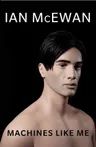

İngiliz Dili Edebiyatı yüksek lisans öğrencisi olarak bu kitabı Contemporary Literature (Çağdaş Edebiyat) dersinde okuduk. Kitabın yazarı, Ian McEwan aynı zamanda Atonement, Çocuk Yasası kitaplarının da yazarı.
Bu roman beni daha ilk sayfasından itibaren düşündürmeye ve rahatsız etmeye başladı – iyi anlamda. Kitabı bitirdiğimde ise kendime şu soruyu sordum: “İnsan olmak gerçekten ne demek?”
Roman alternatif bir tarih kurgusuna dayanıyor. 1980’lerin İngiltere’sindeyiz ama bu bizim bildiğimiz tarih değil. Alan Turing hayatta ve yapay zekâda devrim niteliğinde gelişmeler yaşanmış. İşte bu noktada devreye “Adam” giriyor – yani insan görünümlü hatta tıpatıp insan gibi diyebileceğimiz bir yapay zekâ robotu. Kitabın ana karakteri Charlie, miras parasıyla bir “Adam” satın alıyor, yani bir nevi bu robot üzerinden yatırım yapıyor ve onu hayatına entegre etmeye çalışıyor. Her şey, Charlie’nin birlikte yaşadığı Miranda ile olan ilişkisine ve Adam’ın bu üçlü denklemdeki yeriyle karmaşıklaşıyor.
Beni en çok etkileyen şey, karakterlerin gerçeklik sınırlarını zorlayan içsel çatışmalarıydı. McEwan insan ve makine arasındaki farkları sadece teknolojik düzlemde değil, duygusal ve etik bir boyutta da irdelemiş. Robotların duyguları olmadığını, sadece bir makineden ibaret olduğunu düşünürüz insan olarak fakat roman bunu çok farklı bir boyutta ele almış. Adam’ın şiir yazması, sevgi hissetmesi, hatta ahlaki seçimlerde bulunması... Bunlar beni rahatsız etti çünkü okurken istemsizce şu noktaya geldim: Bu robot “insan gibi” değil, kimi zaman insanlardan daha insan! Öyleyse bizi insan yapan ne? Ayrıca McEwan’ın dili hem edebi hem de oldukça serinkanlı. Bilimkurgu öğeleri olmasına rağmen kitap hiçbir zaman “fazla uzak” hissettirmiyor. Tam tersine, teknolojinin gidişatına bakarsak, sanki birkaç

Bu yaz yanınızdan ayırmak istemeyeceğiniz kitapları sizin için bir araya getirdik.
💬 Siz olsanız bu listeden hangisiyle başlardınız?

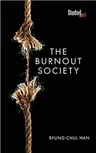
In The Burnout Society Byung Chul Han offers a powerful critique of the shift in modern life. The book examines our shift from a disciplinary society to achievement society. Disciplinary society is governed by no. "You may not do this". That is not the way society works today. Instead of disciplinary society we have achievement society. We are all pressured to be entrepreneurs of ourselves and have an unlimited can. Instead of "you may not" in disciplinary society there is a "you can do this". In contemporary society there is an excess of positivity from within and collapse of negativity. Disciplinary society is still governed by no. Its negativity produces madmen and criminals. In contrast, achievement society creates depressives and losers. The subject is no longer an obedient individual being told what to do. Instead, the subject is now an entrepreneur of the self, constantly working on self-improvement, willingly pushing themselves to produce, achieve, and perform. This is the core of the achievement society. The imperative is no longer "you should" but "you can." This shift from “should” to “can” appears liberating on the surface — who wouldn’t want to believe they can do anything or be anyone? But Han reveals the dark undercurrent of this positive trend.
The positivity of ‘can’ turns out to be more efficient than the negativity of ‘should.’ It motivates individuals to willingly push themselves, to work longer, harder all in the name of growth and self-improvement. We are told to maximize ourselves even when we’ve already reached our limit. In this structure, we become both master and slave, driven by an internalized pressure to achieve. As Han puts it, in achievement-society, we are the entrepreneurs of ourselves, and exploit ourselves in the name of
BENİM GİBİ MAKİNELER - İNCELEME Benim Gibi Makineler Ian McEwan'ın kaleme aldığı ve orijinal başlığı "Machines Like Me" olan kitap yapay zekâ konusunda yazılmış en etkili kitaplardan biri. Söz konusu roman 1980'ler Londra'sında geçiyor. Ancak, ufak bir farkla... Bahsi geçen 1980 yılı ünlü matematikçi ve bilişim uzmanı Alan Turing'in ölmediği ve yapay zekânın devrinin ötesinde çığır aştığı bir zaman olarak karşımıza çıkıyor.Tüm olay örgüsü ana karakterimiz Charlie'nin annesinden kalan mirasla yani tüm varı yoğu ile sınırlı sayıda üretilen ve çağın en ileri yapay zekâ teknolojisi olan humanoid robotlardan (Ademler ve Havvalar) olan bir Adem almasıyla başlar. Adem'in kurulumunu yaparken bazı kişilik parametrelerini ayarlaması gerekir ve bunu yaparken âşık olduğu komşusu Miranda'yı da bu işe dahil etmek ister. Alegorik bir tabirle, Miranda ile "ebeveynlerin çocuğun kişiliği üstündeki etkisini" taklit ederek Adem'in kişiliğini oluşturmak ister. Adem bu ölçüde Charlie'nin hayatını olumlu anlamda etkileyerek hem Miranda'yı Charlie'ye yakınlaştırır hem de Charlie'nin üstlenmekten kaçındığı birçok sorumluluğu da üst düzey akıl yürütme yetisiyle sırtlar. Ancak, Adem'in Miranda'ya karşı hisler beslediğini iddia etmesiyle ve bir cinsel münasebetin neticesinde Charlie daha önceden yalnızca sahibine itaat ettiğine inandığı bu insan görünümlü yapay zekâ ürününün kendi hisleri, düşünceleri ve bilinci varmış gibi davranmasına inanmak istemese de bu fikirleri kafasından atamaz. Zamanla Adem'in bir başka özelliğini keşfedene kadar Adem'in yaşantısına ve verileri depolayan zihnine yeni deneyimler kazandırmaya ve üşengeçlik ettiği her bir iş için Adem'den yararlanmaya devam eder. Ancak, Miranda'nın geçmişte karıştığı ve etik ikileme düşürecek bir suç dolayısıyla tereddüt dolu günler geçirirken Adem'in kendi ahlâk yargılarınıEdebiyat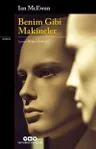
 Benim Gibi Makineler Ian McEwan'ın kaleme aldığı ve orijinal başlığı "Machines Like Me" olan kitap yapay zekâ konusunda yazılmış en etkili kitaplardan biri. Söz konusu roman 1980'ler Londra'sında geçiyor. Ancak, ufak bir farkla... Bahsi geçen 1980 yılı ünlü matematikçi ve bilişim uzmanı Alan Turing'in ölmediği ve yapay zekânın devrinin ötesinde çığır aştığı bir zaman olarak karşımıza çıkıyor.Tüm olay örgüsü ana karakterimiz Charlie'nin annesinden kalan mirasla yani tüm varı yoğu ile sınırlı sayıda üretilen ve çağın en ileri yapay zekâ teknolojisi olan humanoid robotlardan (Ademler ve Havvalar) olan bir Adem almasıyla başlar. Adem'in kurulumunu yaparken bazı kişilik parametrelerini ayarlaması gerekir ve bunu yaparken âşık olduğu komşusu Miranda'yı da bu işe dahil etmek ister. Alegorik bir tabirle, Miranda ile "ebeveynlerin çocuğun kişiliği üstündeki etkisini" taklit ederek Adem'in kişiliğini oluşturmak ister. Adem bu ölçüde Charlie'nin hayatını olumlu anlamda etkileyerek hem Miranda'yı Charlie'ye yakınlaştırır hem de Charlie'nin üstlenmekten kaçındığı birçok sorumluluğu da üst düzey akıl yürütme yetisiyle sırtlar. Ancak, Adem'in Miranda'ya karşı hisler beslediğini iddia etmesiyle ve bir cinsel münasebetin neticesinde Charlie daha önceden yalnızca sahibine itaat ettiğine inandığı bu insan görünümlü yapay zekâ ürününün kendi hisleri, düşünceleri ve bilinci varmış gibi davranmasına inanmak istemese de bu fikirleri kafasından atamaz. Zamanla Adem'in bir başka özelliğini keşfedene kadar Adem'in yaşantısına ve verileri depolayan zihnine yeni deneyimler kazandırmaya ve üşengeçlik ettiği her bir iş için Adem'den yararlanmaya devam eder. Ancak, Miranda'nın geçmişte karıştığı ve etik ikileme düşürecek bir suç dolayısıyla tereddüt dolu günler geçirirken Adem'in kendi ahlâk yargılarını
İnsanın vicdanıyla otoritenin baskısı arasındaki çelişki anlatılıyor. Charlie Chaplin’in The Great Dictator filmindeki konuşmasından "You are not machines! You are not cattle! You are men! You have the love of humanity in your hearts! You don’t hate! Only the unloved hate - the unloved and the unnatural!" kısmını haykırasım geldi karaktere.
İnsan kalabilmek için direnmek gerek vesselam.

Summary:
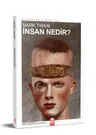
In "What is Man?" by Mark Twain, the author presents a dialogue between a young man and an old man, delving into philosophical questions about human nature. The old man, representing a deterministic viewpoint, argues that humans are merely machines driven by external influences and inherent nature. He believes that every action and thought is a result of conditioning and circumstances, rather than free will. The young man, who initially questions this perspective, gradually engages in a deep philosophical exploration of these ideas. The dialogue touches on themes such as free will, morality, and the essence of humanity, with the old man maintaining that humans cannot be credited or blamed for their actions, as they are not the true authors of them.
Literary Review:
Mark Twain's "What is Man?" is a thought-provoking piece that challenges readers to reconsider their understanding of free will and determinism. Twain employs a Socratic dialogue format, which effectively illustrates the philosophical debate and allows readers to see the reasoning behind the deterministic view. The old man's arguments are presented with logical consistency and persuasive rhetoric, making the reader ponder the validity of determinism.
Twain's use of clear, accessible language makes complex philosophical concepts understandable to a broad audience. The interplay between the two characters provides a dynamic and engaging narrative, making the text more than just a dry philosophical treatise. Twain's trademark wit and incisive observations about human nature add layers of depth and irony to the dialogue.
However, critics might argue that the deterministic view presented in "What is Man?" could be seen as overly reductionist, ignoring the complexity and variability of human