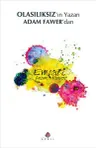
Bu adada hiçbir şey normal değil
Bu kitabı bir çok Orphan Black hayranı gibi ben de diziden öğrendim ve bunca zaman böyle güzel bir bilimkurgu eserinden haberim olmadığı için kendimi eksik hissettim.
Olaylar gemi kazası geçirip ıssız bir adada hayata tutunmaya çalışan Edward Prendick isimli karakterin bu adanın ıssız bir ada olmadığını, aksine bu adanın bir vahşet yuvası olduğunu anlamasıyla başlıyor. Adada yaptığı çalışmalar ile yaşadığı toplumdan dışlanmış bir doktor, sürekli sarhoş gezen yardımcısı ve korkutucu bazı varlıklar ile karşılaşıyor. Korkutucu varlıklar mı? Onlar Dr.Moreau'nun üzerinde acımasızca deneyler yaptığı, insanlaştırmaya çalıştığı hayvanlar. Kitapta bu adada yasanan olaylar Prendick tarafından anlatılırken bizler de hayvan deneyleri, etik olmayan bilimsel çalışmalar, 'dirikesim' gibi günümüzde hala tartışmaları süren konuları sorguluyoruz. 1896 yılında yazılan bu bilimkurgu eseri hayvanlar üzerinde canlı deneyler yapılmalı mı, yapılmamalı mı sorusunu bizlere sormuş ve tüm insanlık olarak hala ORTAK bir kanaate ulaşmamış olacağız ki günümüzde de birçok canlı üzerinde test edilmiş malzemeleri hayatımızda kullanmaya devam etmekteyiz...
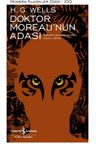

Merhaba, ilk incelememi yazıyorum. Size hitap etmez veyahut hatalarda bulunursam affola.
Öncelikle bu kitabı "Orphan Black" dizisinden önce bilmiyordum. Diziyi izleyenler de bilecektir ki adından oldukça söz edilen bir kitaptı. Hatta dizideki bir adayı Doktor Moreau'nun Adasına benzetmişlerdi. Sevdiğim bir bilim-kurgu dizisinde adının bunca yerde geçmesi okumam için heveslenmeye sebep oldu.
Kitapta bilimin yanlış yönde kullanıldığında diğer bir söyleyişle çığrından çıktığında doğurabileceği sonuçlar ele alınmış. Yapılan bir deneyi ve bu deneyin sonuçlarından bahsediyor kısaca. Konu açısından oldukça güzel ve zamanına göre oldukça ufuk açıcı bir kitap olduğunu düşünüyorum. Bazı yerlerde zaman zaman terimler geçse de kolay okunma konusunda sizi rahatsız edecek bir kitap olduğunu düşünmüyorum. Daha çok genetik üzerine bir kitap olduğu ve benim de bu konuya ilgimin olması da etkilemiş olabilir tabii zorlanmamamı. Bazı yerlerde uzun uzun ayrıntılı yazılmıs betimlemeler de vardı beni sıkmadı fakat sizi sıkabilir. Kitabın konusunu güzel işlediğini düşünüyorum. Bu kitabı okuyup "Hayatım değişti, bilime başka yönde bakıyorum artık." diyemezsiniz zaten konusu da buna pek müsait değil, fakat bilimin zamanla belki bizim yaşadığımız yüzyılların birinde ne hâle gelebileceğini görebilmek açısından güzel bir kitaptı.
Kitabın konusunu ilginizi çekmişse, Orphan Black dizisini sevmişseniz bu kitabı da okuyup beğeneceğinizi düşünüyorum. Ancak çok büyük beklentileriniz varsa karşılamayabilir.
KİTAPLARLA KALIN :).

Bazı hikâyeler tam tahmin ettiğin gibi ilerler. Bazılarıysa son sayfada tüm bildiklerini sorgulatır. 🤯
Ters köşeleri seviyorsan, seni sonuna kadar merakta bırakacak 3 kitap önerisini keşfetmeye hazır ol!

Kanada yapımı bir bilim kurgu televizyon dizisi olan Orphan Black'te yer alan bir kitap olarak dikkatimi çekti. Diziyi çok severek izlediğimden kitabı da aynı derecede beğeneceğimi düşündüm. Nihayetinde kitap kısa sürede bitti. Genetik alanındaki çalışmaların verdiği sonuçla ortaya çıkan yarı insan yarı hayvan (tabir doğru ise) olan canlıları hayalimde tasvir edemediğim için eksik bir şeyler hissettim. Ancak olay örgüsü merak uyandırdığı için hızlıca bitti. 2.kez okuduğumda daha net izlenim alacağımı düşünüyorum.

“When death captures me,” the boy vowed, “he will feel my fist on his face.”
“I have hated words and I have loved them, and I hope I have made them right.”
This is a book to treasure, a new classic. I absolutely loved it. This book made me feel empty in a way that only truly beautifully written books can. When I finished reading the last word on the last page of this book, I felt empty; there is a paradoxical mix of feeling incredibly saddened that the book is over but also completely satisfied because the ending was the best ending you could have ever hoped for and more. Together, those feelings left me feeling empty and breathless.
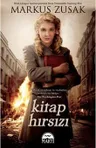
The story set in Germany in the years 1939-1943, The Book Thief tells the story of Liesel, narrated by Death who has in his possession the book she wrote about these years. So, in a way, they are both book thieves. Liesel steals randomly at first, and later more methodically, but she's never greedy. Death pockets Liesel's notebook after she leaves it, forgotten in her grief, amongst the destruction that was once her street, her home, and carries it with him.
Liesel is effectively an orphan. She never knew her father, her mother disappears after delivering her to her new foster parents, and her younger brother died on the train to Molching where the foster parents live. Death first encounters nine-year-old Liesel when her brother dies, and hangs around long enough to watch her steal her first book, The Gravedigger's Handbook, left lying in the snow by her brother's grave.
Her foster parents, Hans and Rosa Herbermann, are poor Germans given a small allowance to take her in. Hans, a tall, quiet man with silver eyes, is a painter (of houses etc.) and plays the accordian. He teaches Liesel how to read and write. Rosa is gruff and

Kitap hakkında birkaç kelâm etmek lâzım gelirse; sıkıcı olmamasına rağmen okurken zaman zaman baydığı oldu ve olacakları tahmin edebildim. Kitap için Hollywood filmlerinden birinin senaryosundan farksız olduğunu söylersem birçok kişi hemfikir olur herhalde...
Kitabın anlattığı hikâye her ne kadar nevi şahsına münhasır -orijinal- olsa da günümüzde geçmesi sebebiyle, yukarıda da beyan ettiğim gibi âdeta bir Hollywood senaryosunu andırıyor. Hem hikâye hem de edebî bakımdan bu kitaptan kat be kat üstün kitapları okuduktan sonra Empati kitabı çok yavan kalıyor.
Kitabın içinde de geçtiği gibi hikâye "X-Men" filmlerine çok benziyor. Bununla birlikte "Orphan Black" dizisiyle müşterek cihetleri olduğunu söyleyebilirim. Meselâ; Samantha Zinser karakteri bana oldukça dizideki Rachel karakterini hatırlattı.
Kitabı yıllar evvel ilk okumaya teşebbüs ettiğimde -yazarın diğer romanı Olasılıksız'ı okuduktan sonra- ilk kitabın tadını alamamıştım. Kısmet bugüne imiş.
Kısa aralıklarla okuyarak geç bitirmiş olsam da kitaptan geriye kalanlar bunlar...