
Puan vermedi·468 syf.·
2026 72. kitabı
Okuması bazı yerlerde gerçekten çok zordu.
Preston o kadar çok şey yaşadı ki, babasının zorbalığı, kız kardeşi için katlanmak zorunda kalması ve buna rağmen güçlü durma çabası. Gerçekten bazı yerlerden zorladı.
Jeremy ile karşılaştığı andan itibaren aralarında oluşan bağ sonrasında onsuz yapamayacak duruma gelmesi güzeldi. Jeremy’nin ailesine bayıldım gerçekten çok iyilerdi.
Süreçler ağır ve zor oldu ama günün sonunda olması gereken olduğu için memnun oldum.
Bugünde tüm beddualar Preston’un babasına..

Under your Scars1000k

*Dark romance
*Trajedi
*Sorunlu karakterler
*Geçmiş
Elena Young yirmi dokuz yaşında sıradan bir avukat adayıdır. New Jersey'in suç oranı yüksek yerlerinden biri olan Meridian City de bir avukatlık şirketinde çalışmaktadır. Bir gece evine giderken üç adamın saldırısına uğrar. Attığı çığlık şehrin seri katil olarak nam salmış Silencer'ına ulaşır ve yolları kesişmiş olur.
Okuduğum için pişman değilim ama tek bir kitaba sığdırılamayacak kadar fazla şey oldu. Çok yoğundu. Çok fazlaydı. Kafam patlayacak sandım. Travmatize oldum çoğu yerde özellikle de Elena'nın yaşadığı korkunç olayda mahvoldum. Bir an panik ataktan öleceğim sandım çünkü aslaa böyle bir şey okumayı beklemiyordum.
Bence ben bu kitabı okuma era'mda değildim. Çünkü birkaç defa bırakmak istedim. Sıkıldım, bunaldım, daraldım. Sebebi her şeydi. Karakterlere de asla bağlanamadım, özellikle Elena beni delirtti. Çok sinirlendim çoğu yerde bir yandan da üzüldüm. Pick me'nin tekiydi.
Dark konusunda doyurucuydu hem sevdim hem sevmedim. Fakat gidip şirin şeyler okumam gerek hiç iyi değilim jfjf görüşünceye dek kitapla kalın efenim  Ariel N. Anderson
Ariel N. Anderson
Hangi tür kitapları seviyorsun?
🔎 Polisiye
💕 Romantik
🚀 Bilim Kurgu
🏰 Fantastik
📖 Klasik
🧠 Kişisel Gelişim
🏛️ Tarih
😱 Gerilim
Kenny & GooseEdebiyat

Sanırım yazar beni kendine bağladı ve konfor yazarlarımdan olacak. Çok güzel bir duygusal hikaye anlatıcı. Romantik veya smut bir kitap değil. Duygu yoğunluğu fazla olan ama aşırıya kaçmadan sizi boğmadan anlatılan bir hikaye. "Kenny adında bir kızın bara girip Goose adında bir adamla tanışması" hakkında yazdığı kitabı okuyoruz tam da yazarın kelimeleriyle. Ama Kenny hamile, şerefsiz Brendan'dan. Brendan okuduğum en toksik karakterler listesinde ilk 10 da artık. En acısıda anne babası mutlu bir evlilik örneği olan Kenny'nin sürekli kendisini önemsemeyen aşağılayan tipi kabul edip, bu durumu normalleştirmesi ve razı olması, hamileliği boyunca asla ortada olmaması. Kızımız evli değil sadece Brendan'la 1 ileri 2 geri giden bir ilişkisi var, yani aldatma asla yok. Her neyse Kenny bu dönemde Goose ile arkadaş olarak yakınlaşıyor. Hamilelik rahatsızlıkları baş gösterince ortada olmayan Brendan olunca, mecburen Goose yi arıyor ve acil hastaneye gidiyorlar. Ve 3 ay erken doğum gerçekleşiyor. Alex yani bebeğimiz doğuyor. Doğumdan 3 gün sonra ortaya çıkan babamız çocuğu görüp topukluyor ve giderken birde kızımıza olmadık hakaretler ediyor. Çok şükür gitti fazlalık diyelim. Ve işte sonrası duygusal bir mücadele, evladının iyileşmesini kucağına alacağı günleri bekleyen ve o dönemde yaşanan sıkıntılara Goose ile göğüs geren annenin hikayesini okuyoruz. Goose bu arada mükemmel bir katakter, çok güzel yazılmış. Ha birde tek taraflı anlatım kitabımız. Ben çok beğendim tavsiyemdir.

Benim için mükemmel bir kitaptı, mükemmel bi konusu vardı. Yazarın kalemine de bayıldım. Aynı karakterde iki farklı kişilik taşıyan Christian ve Silencer'a da bayıldım. Kitabın tek kusuru bana göre kadın karakter Elena'ydı. Tüm Elena'lar böyle mi olmak zorunda jdjd Adam tüm ruhuyla sevdi. Diğer kişiliği de kadını sevdi. Kız onun seri katil kişiliğini de sevsin diye kitabın yarısı boyunca iki kişiliğiyle de kızın peşini bırakmadı... Christian'nın sorunları vardı ama Elena'da normal değildi bana göre ve benim gözümde paragözün teki djdj Hatta Christian da bir ara bunun imasını yaptı mücevherler için mi burdasın diye. Kız bütün sevgiyi kabul ediyor, adamın verdiklerini kucaklıyor ama adam kendisini sevmesini beklediğinde henüz sevmiyorum ama bir gün seveceğim diyor jdjd Şans eline geçtiğinde çekip gitmiyor ama her adamı sevdiğini kabul ettikten sonra 'senin yüzünden tutsak yaşıyorum' diyor... Trilyoner sevgilisi var, adamın iş yerinde b*k gibi zam alıyorsun ama hâlâ fakir gibi gece klübünde bütün tacizlere rağmen çalışmaya mecbur hissediyor. Adam kaç kere bırak o işi diyor ve takmıyo ama başına büyük bir şey gelince bütün çileyi adam çekti... Hepsi çok sevmekten. Bu kadının neyini sevdin mükemmel adam. Kusurlu ama kusursuz... Elena'ya olan sevgisini değil de sevme şeklini sevdim. Tüm benliğiyle ve ruhuyla... Ve final. Herşeyi tahmin ettim ama finalde olanları tahmin edemedim... Beni paramparça etti ama okuduğuma pişman değilim. Bende yeri ayrı olacak bu kitabın.
4,5/5

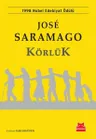
Blindness – A Psychological and Social Analysis of a Moral Allegory
José Saramago’s Blindness is not merely a tale of disaster; it is a profound psychological and sociological examination of the dark corners of human nature. The sudden onset of blindness in one man, followed by a rapid and contagious epidemic, affects not just individuals but the very fabric of society. This loss is not merely physical—it symbolizes the collapse of moral values and social norms.
Throughout the novel, characters are not referred to by names but by descriptors: the doctor, the doctor’s wife, the first blind man, and so on. This narrative choice emphasizes the stripping away of identity and individuality, turning each character into a faceless part of a collective mass. In terms of social psychology, this is a direct reference to the concept of deindividuation—a state where individuals lose their self-awareness and moral compass in group settings. Without names, the characters are deprived of personal identity, and as a result, they begin to behave in ways that defy their former ethical standards.
This psychological erosion becomes most apparent in the mental hospital where the blind are quarantined. A new power hierarchy forms, and a small group dominates the rest through control of food, coercion, and even sexual violence. This descent into cruelty mirrors the findings of Philip Zimbardo’s Stanford Prison Experiment, in which participants assigned the role of guards rapidly became abusive. Similarly, in the novel, individuals who acquire power abandon empathy and embrace authoritarianism.
The novel also reflects the disturbing ease with which people obey authority without questioning its legitimacy—a central theme in Stanley Milgram’s obedience experiments. In Blindness, many

Sonu nedeniyle biraz burnumu çekerek boşluğu izlemek zorunda kaldım o nedenle üzerine çok da yorum yapmak istemiyorum. Çok fazla absürt kaçan kısmı olduğunu düşünüyorum, özellikle sonlara doğru. Seslendirmesi harikaydı, özellikle Silencer bölümleri. Bazı kısımlarda ciddili tüylerim diken diken oldu. Kitap genel olarak beklentilerimi hem karşıladı hem de karşılamadı. Kafam çok karışık. Soru sormayın, bilmiyorum, teşekkürler