
Contains slight spoilers!
Okay first things first — I am completely obsessed with this series. Diana, Samkiel, Imogen… honestly, I love every single character in this series, the good ones and the bad ones.
But HOW did you make me fall for Kaden like this?? I literally went from "meh, not a fan" to "wait, Diana and Kaden could totally be endgame??" ,and this is coming from someone whose favorite book husband is Samkiel!! Why would you do this to me??
And what you did to Reggie?? I was an absolute mess, ugly crying the whole time! We needed him, he was our dad figure why did you take him away from us, Amber, WHY??
Okay but real talk, the pacing was perfect, and this book had me glued to the pages the entire time. I honestly don't know how you do it, queen, but you just get it. Keep doing what you're doing — even if you destroy my emotions every single time, I still love you for it.
Also the 5th book needs to come out NOW because I genuinely cannot wait anymore!!


İtalyan yazar ve felsefeci Vincenzo Latronico’nun, International Booker Prize’nde yer alan ve Türkçedeki ilk romanı olan Kusursuzluk için dijital çağın epik bir panoraması demek gerçekten yanlış olmaz sanırım.
Roman, evden çalışan expat çift Anna ve Tom’un Berlin’de kurduğu hayatın içine davet ediyor bizi. Kusursuz görünen evleri, bitkileri, kahveleri, tasarım objeleri, seyahatleri… dışarıdan bakıldığında imrenilesi duran her şeyin içinde tuhaf bir boşluk hissi dolaşıyor. Bir noktadan sonra Anna ve Tom’un yalnızca yaşadıkları şehre değil, kendi hayatlarına da yabancılaştığını hissediyorsunuz. Sanki yaşamları gerçekten yaşanan bir şey değil de sürekli sergilenen bir atmosfere dönüşmüş gibi.
Roman bir yönüyle tam anlamıyla bir Berlin romanı gibi ilerliyor; diğer yönüyle ise mekânı aşarak bugünün beyaz yakalı, dijital göçebe kuşağının ortak sıkışmışlığına dönüşüyor. Fall of the Berlin Wall sonrası hâlâ kimliğini arayan şehirle Anna ve Tom’un aidiyetsizliği birbirine çok yakışıyor. Web developer, graphic designer ve online brand strategist olarak çalışan bu iki karakterin üretimi de aslında çağın kendisi gibi: özgün görünmeye çalışan ama giderek birbirine benzeyen şeyler.
Benim en etkilendiğim tarafı ise romanın bunu çok büyük olaylarla değil, tekrarlarla anlatması oldu. Aynı kafeler, aynı ekranlar, aynı estetik kaygılar, aynı konuşmalar… Latronico, modern hayatın o “iyi tasarlanmış” yüzeyinin altında bir tükenmişlik hâli olduğunu çok sakin ama çok sert bir şekilde hissettiriyor. Kitabı okurken birkaç kez Anna ve Tom’a değil de kendi çağımıza bakıyormuşum gibi hissettim. Belki de romanın en rahatsız edici yanı bu: anlattığı hayatın bize hiç yabancı gelmemesi.


0-30p: Kontrollü okuyucu 📖
40-70p: Hafif bağımlı 👀
80p+: Geçmiş olsun, kitaplar seni ele geçirmiş 😅
Pizza!!!

Okuduğum diğer Ella Maise kitapları kadar beni etkilediğini söyleyemem ama sebebi sanırım kitabı aralıklı bir şekilde okumuş olup tek oturuşta bitiremem. Çünkü işaretlediğim yerlere bakarken aslında ne kadar güzel diyaloglar olduğunu ve kitabı ne kadar çok sevdiğimi fark ettim. Ancak dediğim gibi kitaba tam odaklanamadım sanırım. Henüz Türkçeye çevrilmedi diye biliyorum ancak İngilizcesi de oldukça akıcıydı. Yer yer sırıtıp durmaktan kendimi alamadığım ve BAYILDIĞIM diyaloglar olduğundan dolayı ancak bi Adam Connordan nefret etmek ya da Jason Thorne'u sevmek kadar etkilemediğinden sadece 7 verebildim. Karakterleri özellikle Zoe' i çok sevdim gayet tatlı bi karakterdi. Diğer romcomlardaki o insanı sinir eden main kız karakter enerjisi yoktu. Dylan zaten... o korumacı, kendinden emin tavırları çok hoşuma gitti. Güzel, tatlı bir kitaptı. Tavsiye ederim.

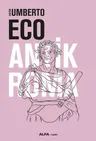
Batılı tarihçiler, kendi kökenlerini Roma'da aradıkları için, Batı Roma'nın çöküşünü "Antik Çağ'ın Sonu" gibi dramatik ve mutlak bir kapanış olarak tasvir ederler. (Western historians depict the fall of Western Rome as a dramatic and absolute closing like the "End of Antiquity" because they seek their own origins in Rome.)

Jack Daimon: The Fall #okudumbitti
Benim için etkisi kolay kolay geçmeyecek kitaplardan biri oldu. Daha ilk sayfalardan itibaren o karanlık, boğucu ve tekinsiz atmosferin içine çekildim. Jack’in sevdiği kadını kurtarmak uğruna verdiği o çaresiz karar, hikâyeyi sadece bir gerilim hikâyesi olmaktan çıkarıp çok daha derin ve sarsıcı bir yere taşıyor. Çünkü burada yalnızca bir deneyin ya da bir kaçışın hikâyesi yok; aynı zamanda insanın kendi zihniyle, geçmişiyle ve içindeki karanlıkla yüzleşmesi var.
Okurken ben de Jack’le birlikte neyin gerçek, neyin zihninin ona oynadığı bir oyun olduğunu sorguladım. North Brother Adası’nın o kapalı, soğuk ve huzursuz eden atmosferi çok iyi yansıtılmış. Sayfalar ilerledikçe sadece olayların nasıl ilerleyeceğini değil, Jack’in aslında kim olduğunu ve içinde büyüyen karanlığın kaynağını da daha çok merak etmeye başlıyorsunuz.
Yazarın kalemini ilk kez bu kitapla tanıdım ve gerçekten çok sevdim. Anlatım akıcı ama verdiği his asla hafif değil. Özellikle psikolojik gerilimi adım adım yükseltmesi ve karakterin iç dünyasını okura hissettirebilmesi bence kitabın en güçlü yanlarından biri. Bazı sahnelerde tempo yükseliyor, bazı sahnelerde ise sessiz ama içe işleyen bir tedirginlik hâkim oluyor. Bu denge de kitabı daha etkileyici hale getiriyor.
Benim için en çarpıcı taraflardan biri de kötülüğün tek bir yerde durmamasıydı. Bazen bir deneyde, bazen geçmişin izlerinde, bazen de insanın kendi içinde karşımıza çıkıyor. Bu yüzden okurken sadece merak etmiyorsunuz; aynı zamanda karakterin yaşadıkları üzerine düşünmeden de edemiyorsunuz. Hikâye ilerledikçe gerilimle birlikte zihinsel ve duygusal ağırlık da artıyor.
Finale doğru yükselen tempo da çok başarılıydı. Kitap bittiğinde geriye sadece olaylar değil, insanın içinde kalan bir huzursuzluk ve


Léon l’Africain is one of those rare historical novels that feels both intimate and epic at the same time. Written as a fictional memoir, the book tells the story of Hasan al-Wazzan, a real historical figure who later became known in Europe as Leo Africanus. He was born in Granada at the time of its fall, traveled across North Africa and the Middle East, was captured by pirates, and eventually lived in Rome. His life alone sounds like fiction but it isn’t.
That’s part of what makes this novel so powerful: it’s based on a real person who truly moved between civilizations during a time of huge political and religious change. Through his eyes, we witness the fall of Muslim Spain, the cultural richness of Fez, the tensions within the Islamic world, and the Renaissance atmosphere of Rome. Instead of presenting history as a dry list of dates and events, Maalouf lets us experience it through emotions, relationships, and personal dilemmas.
The novel explores themes of identity, exile, belonging, and cultural hybridity. Hasan doesn’t fully belong anywhere, not in Granada after its fall, not entirely in Fez, and not even in Rome where he adapts to survive. His shifting identity raises questions that still feel relevant today: Are we defined by religion? By nationality? By language? Or are we something more fluid?
What I really appreciate about this book is how smoothly history is blended into the narrative. You learn about political struggles, trade routes, religious conflicts, and intellectual life almost without noticing that you’re “studying.” If someone doesn’t enjoy reading history books, this novel is a perfect alternative. It teaches history through story. The facts are there, but they’re alive attached to characters you care about.
Maalouf’s writing style is
