“What are we celebrating?”
“Our fragile mortality. The inevitability that we will descend into chaos and dust.”
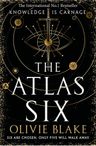
morally grey karakterleri okumayı çok severim ki bu kitabın da diyaloglar ve yazım şekli dışında öne çıkan yanı karakterleriydi bana göre. Açıkçası karakterlere ve onların dinamiklerine bağlanmasaydım seriyi bitirir miydim bilmiyorum. özellikle diğer kitapları da okuduktan sonra ilk kitabın diğerlerinden ayrı bir yerde olduğuna emin oldum çünkü bütünlük hissettiren tek kitap oydu benim için. Ama bunların dışında karaketler ve onların içsel çöküşü ve academia ağırlıklı bir dark academia kitabı okumak çok iyi hissettirdi. Genel olarak ilk kitap sonbahar comfort kitabım bile olabilir.
(nicogideon nicolibby ve novacaine fav ikililerimdi)
“If not for her, Nico might not have noticed most of the things he did, and probably vice versa. A uniquely upsetting curse, really, how little he knew how to exist when she wasn’t there.”
Neden Bazıları Daha Zengin?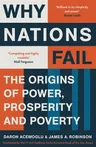

Acemoğlu ve Robinson'ın 2024 yılında Nobel ekonomi ödülüne layık görülen "politik ve ekonomik kurumların ekonomik gelişmişlik üzerine etkileri" temalı yıllar süren çalışmalarını özetledikleri bu kitap, akademik bir tezin doğru bir metodoloji ile alanın uzmanı olmayan "avâma" ikna edici bir şekilde anlatılabileceğinin en güzel örneklerinden birini sergiliyor.
İkilinin bu kitapta ortaya koyduğu fikirlerin temeli, esasında, 2001 yılında The American Review dergisinde yayınladıkları "The Colonial Origins of Comparative Development: An Empirical Investigation" adlı makalelerine dayanıyor. Bu makalede Acemoğlu ve Robinson Avrupalı sömürgecilerin kolonileştirdikleri farklı bölgelerde farklı yönetim biçimleri uyguladıklarını ve buna uygun kurumlar geliştirdiklerini ortaya koyuyorlar. Buna göre yaşam şartlarının kötü olduğu ve doğal şartlara uyum sağlanamaması nedeniyle kolonicilerin ölüm oranının yüksek olduğu yerlerde (Latin Amerika ve Afrika) sömürgeciler, kalıcı olmak yerine yerel halkı sömürerek hızlı bir şekilde zenginlikleri Avrupa'ya aktarabilecekleri yönetim biçimleri inşa etmişlerdir. Bunun aksine sömürmeye müsait doğal zenginliklerin bulunmadığı ama sömürgeci Avrupalıların yaşamasına imkan veren iklim ve sağlık şartlarının uygun olduğu yerlere yerleşen koloniciler ise, buralarda kıta Avrupasından getirdikleri demokratik kurumları inşa ederek, yaşam standartlarını yükseltmişlerdir.
Kitap bu fikri merkezine alarak neden liberal-demokratik politik ve ekonomik kurumlar üzerine inşa edilen batılı devletlerin zengin, bunun aksine çoğulcu olmayan, mülkiyet hakkını güvenceye almayan, tek bir kişi ya da zümrenin yönetimi ve bunun neticesinde zenginleşmesine olanak sağlayan devletlerin fakir olduğunu açıklamaya çalışıyor.
Kanımca bunda da başarılı olmuş.
Kitapta iki tür
Why Nations Fail: The Origins of Power, Prosperity and PovertyDaron Acemoğlu · Profile Books · 201336 okunma

Hangi tür kitapları seviyorsun?
🔎 Polisiye
💕 Romantik
🚀 Bilim Kurgu
🏰 Fantastik
📖 Klasik
🧠 Kişisel Gelişim
🏛️ Tarih
😱 Gerilim
ŞantaramDüalizm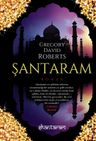

Carla - "If a man wants to hide his feelings, he hesitates to talk, but if he wants to hide his thoughts he looks at another side. For women it's vice versa."
16-20 yaşlarda dünyanın digər ölkələrini, şəhərlərini, bölgələrini kəşf etmək istəyi yarananda cavablayan (yaranmasa da yaradan) bir kitabdır.
Qısaca dünyanın digər ucundakı həm rəngarəng, həm qaramtıl, həm təmiz, həm kirli, həm məsum, həm günahkar şəhəri (Bombey), yaxud şəhərləri (Kəraçi, Kvetta və s.) və həmin şəhərlərdə baş verənlər haqqında yazılmış dualist bir romandır.
Kitabı oxuyacaqsınızsa, praqmatik və konservativ ideyalarınızı kənara qoymaq lazımdır. Əslində konservativ tərkib də əks edilir yazılarda. Bir sözlə, fəlsəfə və fəlsəfi konsepsiya ağırlıq təşkil edir.
Action, thriller, criminal janrdakı Bollywood filminin kitab versiyasına bənzəyir. Oxuduqca vicdanınızı sorğu-suala tutacaq, dünyəvi təsəvvürlərinizi genişləndirəcək, kitabın əvvəlində bəlkə qınadığınız düşüncələri/şəxsləri axırda dəstəkləyəcəksiniz.
Şantaram- fəlsəfə dadında kriminal həyat dolu və ölümlü bir romandır
Kitabı nəzərə alaraq tövsiyə edə biləcəyim bəzi filmlər: "Lost In Translation", "Taxi Driver", "Fight Club" və s.
The Yellow Bird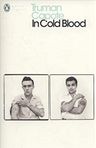

Puan vermedi
The work of Truman Capote " In Cold Blood" is not only the first- true crime novel, but also a psychological and sosyological novel which is non-fiction. When Capote reads the news in the New York Times, he becomes interested in the murderers of four members of the Herbert Clutter family. As a result of a deep investigation and interviews with the killers, he presents the book, “In Cold Blood” to us. In his interview with the murderers, the author also deals with their psychological state and reveals the reasons for their tendency to crime. However, at the end of the work, we forget about the brutally committed murders and pity the killers and wish them salvation. Isn't the writer's narrative the reason we feel this way? I mean, the author believes Perry is innocent, and not only the author, Perry also believes he is innocent.
At the end of the book, we cannot help thinking the following two questions; the first is that who is the culprit, the perpetrator or the reasons/persons that cause the crime? Experiences can alienate a person from life, isolate a person from society, hate those who have happiness that a person does not have, but this is not a sufficient reason for a person to become a murderer. Indeed, the history of many successful personalities is not good. The other is that does having bad parents or having childhood traumas make every person a murderer? For the second question, if our answer is yes, we support Durham Rule which is simply that an accused is not criminally responsible if his unlawful act is the product of mental disease or mental defect. Vice versa, if our answer is no, we support The M’ Naghten Rule which recognizes no form of insanity provided the defendant has the capacity to discriminate between right and wrong— legally, not morally. At

-Citation-
"From Leibniz’s rationalist perspective, the world simply
is what it is;
The joke clarifies the obvious truth that optimism and pessimism are personal attitudes that have nothing to do with Leibniz’s neutral, rational description of the world.
The optimist says, “The glass is half full.”
The pessimist says, “The glass is half empty.”
The rationalist says, “This glass is twice as big as it needs
to be.”"
-End of citation-
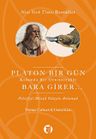
Plato and a Platypus Walk into a Bar is a fun read for anyone interested in learning about a few basic philosophical topics, made much more fun by the delivery in the form of jokes, followed by a brief description. The book is divided into ten sections, each of which covers a significant philosophical approach or field, such as Metaphysics, Ethics, or Existentialism, and addresses each one in a lighthearted manner. It is not a textbook, and it would be most enjoyable to someone looking for a brief overview of different philosophical ideas, or to someone who already has a basic understanding of philosophy and would enjoy the jokes, stories, and contemporary examples.
The theory is illustrated through real-life examples that most people can relate to jokes. Although not all of them made me chuckle, they all had a tongue-in-cheek nerdy vibe about them. As you'd expect from two philosophy nerds discussing how jokes are philosophy and vice versa.

4/5 Stars (%80/100)
I really liked it. In the previous volume, I talked about Charon and he was great in this book as well. The long-awaited cataclysm begins and everything starts to crumble. From this point on, the manga will take a different turn. For example, the world is in flames and the flames are fueled by the despair of all humanity. So, more despair equals more flames and vice versa. It starts to talk about abstract ideas (especially that chapter about 3d world) and many people seem to dislike it. However, I am curious to see what happens next, especially the clash between Arthur and Dragon (once again).