What do we do when things go wrong?

Years ago, when I first spotted this book in a stationery shop, I decided to buy it without even flipping through its pages. On the cover, three men were being carried by the river's current toward an unknown destination. The title revealed little more than the image itself: Three Men in a Boat. Where they were going and why remained hidden between the pages.
For some reason, I never got around to reading it. The book sat forgotten on a shelf for years, quietly waiting for me. Then one day I picked it up and finally began. Soon, I discovered why these three men had embarked on such a sudden and peculiar boating trip. Tired of their daily routines and convinced that they were suffering from all sorts of illnesses, they believe an adventure will do them good. Instead, the following two weeks prove far more challenging than expected. They can never quite agree on what should be done or how it should be done. They blame one another, make a mess of simple tasks, and seem incapable of catching a break. Jerome narrates all of this with an exaggerated sense of humor and remarkable wit.
In the end, the three companions more or less accomplish what they set out to do. By the time they return to dry land, they are rather proud of themselves. But perhaps this book was written not only to amuse, but also to make us reflect. As we accompany these three friends like an invisible fourth passenger, we spend much of the journey wanting to step in and sort things out for them.
And yet, when things go wrong in our own lives, what exactly do we do?
Rezalet Bir Çeviri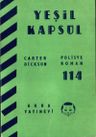

Puan vermedi
Kitabın çevirisi aşırı özensiz, kötü ve hatta hatalı. Ayrıca metinde çok ciddi bir eksiltme de var; yaklaşık %30 - %40 arası bir kırpma söz konusu. Çevirmen berbat bir iş çıkarmış. Bunu herhangi bir yapay zekaya - hatta Google Çeviriye bile çevirtip okumaya kalksak daha iyi sonuç alırız.
Çeviriden birkaç örnek vermek istiyorum.
1-) Orijinal kitaptan bir cümle:
"The garden was overgrown, full of red-flowering oleanders and with Asiatic pines round a ruined fountain."
Türkçe çevirisi:
"Sütunlarla dolu bahçe ise oldukça bakımlı görünüyordu. Harap olmuş bir çeşmenin etrafı çeşitli çiçeklerle doluydu."
Burada "overgrown" derken = yani bahçedeki otlar büyümüş, yabani otlar sarmış, BAKIMSIZ kalmış diyor. Bunu "Bakımlı" olarak çevirmek için gerçekten kötü ve yanlış çevirmeye çaba harcamış olmak lazım.
2-) Orijinal dilde bir betimleme:
"...with moving wrinkles under them as though the whole lower part of his face were on a hinge."
Yani karakter konuşurken yüzünün alt kısmının / çenesinin, bir menteşeye bağlıymış gibi hareket ettiğini söylüyor. Bu zihinde kolayca canlanabilen çok güzel bir görsel betimleme.
Ama Türkçe çevirisi:
"Zeki gözlerinin altında kırışıklıklar görülüyordu."
3-) Kırpılmış paragraflardan bir örnek:
"The Street of Tombs lies outside the walls of Pompeii. It leads from the Herculaneum Gate, descending a shallow hill like a broad trough of paving-blocks between a footway on either side. Cypresses stand up over it, and make this street of the dead seem alive. Here are the burial-vaults of the patricians, the squat altars hardly yet blackened to ruin. When this man heard his own footsteps there, he felt merely that he had got into a neglected suburb. The hot, hard light shone on paving-stones worn to ruts by cartwheels; on grass sprouting in cracks, and

0-30p: Kontrollü okuyucu 📖
40-70p: Hafif bağımlı 👀
80p+: Geçmiş olsun, kitaplar seni ele geçirmiş 😅
"But, alas, I had done what I had determined not to do; I had slipped unthinkingly into praise of my own sex." (page: 121)
A Room of One's Own is best understood when we first reflect on what feminism actually represents. Is it merely a demand for equality? Or a rebellion against centuries of imposed roles and limitations placed upon women? Even today, when we read about the historical denial of women’s most basic rights and freedoms, we are still surprised, perhaps because contemporary society presents such a different image of gender roles.
Let us imagine a world in which women were confined solely to domestic responsibilities: raising children, sewing, and managing the household, often forced into marriage and denied access to education. A world in which they had no private space, not even half an hour truly their own. In Woolf’s argument, the absence of such material and intellectual space explains why fewer women emerged as successful writers. Without a room of one’s own, she suggests, a woman is also deprived of an inner world that belongs to her alone. Nothing is truly hers; everything is defined through ownership by men. Even the impulse to resist such conditions is gradually suppressed.
Woolf’s writing carries a clear sense of intellectual rebellion. She questions why women could not live as freely as men, and imagines the creative potential that might have emerged under equal conditions. She also attempts to explain male claims of superiority through psychological and social patterns: insecurity masked as dominance, and the need to define oneself as superior to at least half of society in order to compensate for internal doubt. Meanwhile, women, historically excluded even from libraries and formal education, were denied the very conditions necessary to


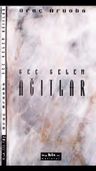
“Geç Gelen Ağıtlar” dilin sərhəddində yazılmış, yasın klassik formasını dağıdan, səssizlik və boşluqla danışmağa cəhd edən poetik bir parçalanmadır. Hər oxucuya yox, amma itirdiklərini sözlə yox, sözlərin susduğu yerdə anlamaq istəyənlərə….
Səhifələrə səpələnmiş sözlər, boşluqlar, kəsilmiş cümlələr… Sanki kimsə danışmaq istəyir, amma səsi çıxmır – ya da səsini qəsdən udur.
Aruoba mənim üçün şair deyil, bir növ səssizliyin memarıdır. Bu kitabda o, itirilmiş bir varlığa – sevgiliyə, dosta, bəlkə də öz keçmişinə – bir ağıt qoşur. Amma ağıt gec gəlir. Niyə? Çünki ağrını tam zamanında yaşaya bilməmisən. O an donub qalmısan, indi isə geriyə baxıb “yetə bilmədim, yetişə bilmədim” deyirsən.
Mənə ən çox maraqlı gələn şey kitabdakı dilin parçalanmış olmasıdır. Adi şeirlərdə qafiyə, ritm, ahəng axtarırsan – burda yox. Bunun əvəzində:
· boşluqlarla ayrılmış hecalar (son ra: git tin),
· sözün ortasında nöqtələr,
· bəzən bircə söz bir səhifəyə yayılır.
Bu, məncə, şairin içindəki dağıntının əksidir. Ağıt deyəndə ağlayan, düşünən bir kəs düşünürük. Aruoba isə ağıtını elə qurur ki, səs boğazında qalır. Oxuyursan – və birdən hiss edirsən ki, bu boşluqlar, bu səssizlik əslində qışqırıqdan da güclüdür.
Kitabın bir yerində deyir: “Təpə qaranlıqda. Quşlar yüksəkdə. Kolluq yorğun. Yarpaq quru” – sadəcə təbiət təsviri kimi görünür, amma altında tərk edilmişlik hissi var. Hər şey insanlarsız, hər şey bitmiş.
Fəlsəfi baxımdan bu kitab mənə Vitgenşteyni xatırladır: dilin hüdudları var, bəzi şeyləri sözlə ifadə etmək mümkün deyil. Aruoba da sözü qırmaqla, onu susdurmaqla bəlkə də daha çox şey söyləyir. O, ağıtını mənasızlıq həddinə qədər aparır ki, orada ağrı öz təmiz formasına çatsın.
Ancaq etiraf edim ki, bəzi şeirlərdə bu qırıqlıq mənə bir az süni gəldi. Sanki hər şey qəsdən çox

Great book. I will never forget where i was in real life while i was reading this book. I dont know why. I still remember the smell of the air while i was reading this book. Main character went through a lot and it was great to see him grow. Have not read the sequels yet. 8/10

The Vegetarian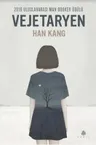

The Vegetarian
I have read a most staggering and profound book. I don't want to give spoilers, but I want to mention how this book affected my feelings and my thoughts about society. South Korean author Han Kang writes this book from three different perspectives. She criticizes the traditional and patriarchal society of South Korea.
At the beginning of the book, Yong-hye's husband tells us about his wife. He describes her as an ordinary woman with nothing special about her. One day, Yong-hye has a nightmare and decides never to eat meat again. This causes a major conflict within the family. Her father hits her, and for this reason, she attempts suicide. Later, her brother-in-law takes her to the hospital. Due to the Mongolian spot on Yong-hye’s back, he becomes obsessed with her and sleeps with her. His wife catches them; consequently, both of them are taken to psychiatric clinics.
Yong-hye consistently refuses to eat meat and begins to think of herself as a tree. Her sister feels sorry for her, yet on the other hand, she has been unhappy since her own marriage. Yong-hye believes that eating meat is related to violence. Society, her family, and her husband all want to take control of her life and body. Yong-hye maintains a silent resistance against South Korea's traditional and patriarchal society. At the same time, she wants to transform from an animal into a vegetal entity.
This book is about how people defy societal norms to find freedom. The Vegetarian is not just a book about diet; it is a story that depicts a person's desire to be one with nature.