Sıla Erdoğan
@Slaae
Öğretmen
Başkent Üniversitesi İngilizce Öğretmenliği
16 okur puanı
Ekim 2022 tarihinde katıldı

Merhaba, buraya sanat eseri incelemesiyle geldim. 😊 Geçen hafta sonu bir Sanat Fuarına gittim. Değerli eserleri görme ve inceleme fırsatı buldum. Kendimi kaybettiğim muhteşem bir an oldu. Bu yüzden aynı duyguları ne zaman hissetmek istersem bulabileceğim bir yere duygularımı yazmaya karar verdim. İki tür sanat eseri vardı. Ancak bunlardan sadece birini paylaşacağım. Belki diğeri daha sonradır. 😊 Şimdi sizi en derin ruhunuza götüreceğim. Derin yolculukları sevdiğimi zaten biliyordunuz. 😊
Öncelikle başarılı sanatçıyı sizlere tanıtmak istiyorum. Kendisi Mustafa Albayram'dır. Eskiiz sanatıyla uğraşıyor. Benim gittiğim gün duvarlarda çok güzel eserler asılıydı ve bazıları da masalardaki objelerin arasındaydı. Özellikle 'Zamanın ritmi' dediği birbirinden değerli eserler fuarda yer alıyor. Hepsi benim için ayrı anlamlar içeriyor. Fuar sonrasında biriktirdiğim eserleri incelemeye devam ettim. Çok şey söylerdim ama en iyisi, gerçekte görmeseniz bile benim gibi hissetmenizdir. Eserlerin anlamına gelince Sosyal Gerçekçilik Kuramı'nı ele aldığını belirtmek isterim. Bu kavram Marksist gelenekten kaynaklanmaktadır. Marksist manifesto, sanatın rolünün 'Toplumsal bilinci' geliştirmek olduğuna işaret ediyor. Aşağıda da görebileceğiniz gibi gerçeği eserlerine başarıyla yansıtıyor. Eserlerinde sosyal durumları zaman-mekan-beden kullanarak anlatmıştır. Mekanlarda zaman algısını doğrudan görebiliyoruz. Sokakta dolaşan insanlar ya da sadece bir kadın portresi, ama sanki kadın zamanı yakalamaya çalışıyor ya da zamana hapsolmamaya çalışıyormuş gibi… Aslında bu, resimlerde ne gördüğünüze bağlı. Zamanın hızına takıntılıydım. Bu arada işlerin bulanık olmasının bir nedeni de zamanın hızını göstermesi, bu da beni daha derin düşündürüyor. Tekrar tekrar bakınca aklıma oyalanan ya da önemli bir yere

0-30p: Kontrollü okuyucu 📖
40-70p: Hafif bağımlı 👀
80p+: Geçmiş olsun, kitaplar seni ele geçirmiş 😅
Madness!1000Kitap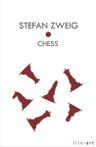
Stefan Zweig-Chess
Undoubtedly Stefan Zweig is one of the writers who reflects human emotions and handles them deeply. I can say that after reading Metamorphosis (I mentioned it to everyone and made a review of ), I couldn’t escape from its influence, and cannot still. It mentioned the value of human beings. It emphasized Gregor himself. Franz Kafka depicted the protagonist, Gregor as a ghost to reveal whether Gregor thinks of himself or considers what people say. Similarly, Chess succeeded in being one of my priorities with an emphasis on humans and his struggle to be healthy. What I mean by the word ‘healthy’? Okay. I want to ask a question to you. Do passions keep a person alive? Can they make a person mad as well? I will try to guess what your answer is. What if passions encourage a person to span a good life, can passions cause to the point he will suffer as well? That is what Zweig emphasizes. Zweig deals with Dr. B. in the book to show how strong and intelligent he is in the middle of nowhere, on the verge of insanity… Is it possible for a person to be mad and lose functions of the brain stemming from solidity and speechlessness? Maybe if he couldn’t find the chess book in the pocket of the guard, despair and loneliness would bring about madness!
---“Was that chess or madness in the cell?!” I think that there would not be any problem if the passion did not turn to jeopardy, and they do not symbolize the worst moments. The reason he is still smart and makes proper sentences in this isolated life is chess. He continuously studied it. He contemplated the chess board in his mind without real tools. He solved its rules and how to play on his own. And this passion went on in that way.
He was imprisoned by the Nazis who has pressure on Austria to get important
Bugün “Deprem Farkındalığı” adı altında birçok yetenekli ve yaratıcı sanatçıların yorumlarını görme fırsatım oldu. Hepsi birbirinden anlamlı ve çok etkileyiciydi. Her bir eserin önünde gözlerimin dolmaması mümkün değildi. Emeklerine sağlık.
Bu eseri günün bir özeti olarak ve anlatılmak isteneni daha fazla kişiye ulaştırmak adına paylaşıyorum.
Üzerlerine tıklayarak yakından incelemenizi tavsiye ederim.