persephone
@ahsenarsln

"Pencerelerinden dünyanın güzel ışığını her görüşünde sana işkence etmelerine izin verme."


0-30p: Kontrollü okuyucu 📖
40-70p: Hafif bağımlı 👀
80p+: Geçmiş olsun, kitaplar seni ele geçirmiş 😅

Jane EyreRoman-Edebiyat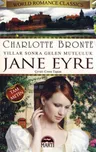
Charlotte Brontë's Jane Eyre is a powerful female narrative that symbolizes individual resistance against the strict moral and social structure of the Victorian Era. The novel is especially significant in terms of feminist and sociocultural readings. Despite all the hardships she endures, Jane remains true to her own sense of morality and selfhood. Her refusal to submit to Mr. Rochester without an equal relationship, despite her deep love for him, can be read as a proto-feminist representation of female individuality.
The story is told in the first person from Jane’s perspective, which allows the reader direct access to her inner world and personal struggles. The gothic atmosphere (Thornfield Hall, the screams from the attic, Bertha Mason) continues the classic tradition of English gothic fiction, while the emphasis on nature and personal emotion reflects the influence of Romanticism.
Themes such as class distinction, the hypocrisy of religious institutions, and moral decay are carefully explored. Jane’s journey from the lowest social class to gaining respect through her intelligence and integrity serves as a pointed critique of the class structure of the time.
The character of Bertha Mason, in particular, is controversial from a postcolonial perspective; her portrayal as the “other” reflects traces of colonialism in English literature. Jane Eyre, with its multilayered narrative, feminist subtext, and its critiques of class and colonialism, provides not only literary but also cultural, historical, and theoretical grounds for analysis.
To summarize, the suffering Jane endures is followed by her resistance, and not mentioning the fluidity of the novel—where we feel as if we're inside the story—would be unfair. The rich descriptions, which I believe reflect traces of
persephone
, 2025 okuma hedefini güncelledi.2025 OKUMA HEDEFİ
6/20 kitap - %30 tamamlandı
6 kitap okudu
20 kitap
1.519 sayfa
1 inceleme
0 alıntı