AnalysisDuygu ve Düşünce

Fistly,I want to express some doubts about the reliability of the narrator, Nick Carraway, who tells the life of the main character, Jay Gatsby, from his own perspective because Nick sometimes praises Gatsby and sometimes expresses critical thoughts about him. This situation shows that the narrator is not completely objective and tells the story according to his own feelings.
Secondly, we see the American Dream theme from the beginning to the end of the story. The American Dream is the belief that no matter which social class people come from, they can become rich and successful through hard work. This thought is Jay Gatsby’s main motivation. His obsessive love for Daisy Buchanan and his hope that she will return to him one day lead him to work harder and do everything he can to become rich. The novel conveys this hope through the symbol of the green light. The green light comes from Daisy’s house, and when Gatsby looks at it, he sees his dreams and hopes. So the green light shows Gatsby’s dreams and the future he wants, and it also shows how unreachable the American Dream can be.
In addition, Jay Gatsby organizes big and flashy parties to prove his wealth and to show it to Daisy Buchanan. However, this situation did not affect either Daisy or the other people. Because society was divided into two parts: “new money” (people who became rich later) and “old money” (people who inherited their wealth). Although Gatsby became rich through his own efforts, he was not appreciated and was even despised by society. Therefore, Daisy did not choose to be with him. This situation shows that for Daisy, social status and wealth were more important than love.
Finally, Jay Gatsby was left alone at the end of his life despite his struggles. Nearly nobody came to his funeral. This
Yaşanıla bilən ən yaxşı həyat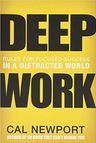

Diqqət yayındıran alətlərlə dolu, səs-küylü dünyamızda gördüyümüz işə tam diqqətimizi verməməyimizin həyatımızı necə dolu-dolu yaşamağımıza mane olduğunu qeyd edən yazıçı kitabın əsas qayəsi olan bu cümləni dəfələrlə nəzərimizə çatdırır: "Fokuslanmış bir həyat yaşayacam, çünki yaşanıla bilən ən yaxşı həyat budur."
Kitab boyunca yazıçı bu teoriyanı sübut etmək üçün özünün və tarixdə yaşamış, hələ də yaşamaqda olan insanların həyatlarından misal gətirərək tam diqqətlə iş görmək bacarığının insana nələr qazandıra biləcəyini göstərməyə çalışır.
Yazıçının ötürmək istədiyi əsas ideyanı qavrayanda o nəticəyə gəlirsən ki, nə qədər əmək bazarında süni intellekt və ya bənzəri alətlər mövcud olursa olsun, əgər insan tam diqqət iş bacarığı ilə orijinal dəyər yaradırsa, o insan heç vaxt əvəzlənə bilməyəcək.
Əvəzlənəcək yeganə şəxslər özlərini səthi işlərlə məşğul edib, bir işdə dərinləşməyən, səthi fikirləşməklə qərar verilə bilən işlərdə çalışan insanlar olacaq.
Kitabı oxuyarkən bir şeyin də fərqinə varmaq olur ki, tam diqqət işləmək bacarığı və bir işdə dərinləşmək sadəcə əmək bazarında yer tutmaq üçün deyil, eyni zamanda mənəvi cəhətdən tətmin olmaq və görülən işdən zövq almaq üçün də vacibdir.
İndidən mənim baş ucu kitabım oldu. Şəxsi-inkişaf kitablarını çox da bəyənən biri deyiləm, lakin bu kitabdakı tövsiyə və ideyaları öz həyatıma və gördüyüm işlərə tətbiq etməyə başlayanda aradakı fərqi hiss etməmək mümkün deyil idi. Yazıçının digər kitablarını da oxumağı fikirləşirəm.
Reklam

| "We choose our sex, our color, our country, and then we look around for the particular set of parents who will mirror the pattern we are bringing in to work on in this lifetime."
| "The more self-hatred and guilt we have, the less our lives work. The less self-hatred and guilt we have, the better our lives work, on all levels."
Yukarıda gördüğünüz iki alıntı ve daha nicesi üzerine kurulmuş bir kitaptı "You Can Heal Your Life".
Yazar, 'outer effect of a deep inner problem.' - yani 'derin iç sorunun dışsal etkisi' cümlesi aracılığıyla aktarıyor anlatmak istediklerini. Ayrıca 'negatif duygulardan arınmak' için yazılan çeşitli etkinlikler ve örnekler de var sayfaların içerisinde.
Hep aynı vurgunun üzerinden ilerleyen bir yazı olmuş bence.
"Geçmiş değişmez, gelecek ise bizim şu anki fikirlerimiz ile şekillenir."
Sanırım bu alıntıya kitabın hemen hemen tüm bölümlerinde denk geldim.
Sonuç olarak, bu tarz kitaplardan büyük bir tatmin beklemek belki biraz hata olabilir. Yazarın hayata bakış açısını görmek ve göstermek istediği mesajları anlamaya çalışmak yeterli olacaktır diye düşünüyorum.
İlginç bir yanına da değinelim kitabın: Her organımızın içimizde sakladığımız bir sorundan / travmadan kaynaklanan kusurları olabileceğini savunuyor Louise Hay. Elbette doğru olan yanları vardır, tamamıyla reddetmiyorum bu görüşü ancak eğer fiziksel sorunlarımızın tek sebebi psikolojik sıkıntılarımız olsaydı bilime ihtiyaç duymazdık. Bütün bedensel hasarlarımızı tıp bilimine bile ihtiyaç kalmadan kendimizce halledebilirdik. Henüz böyle bir durumun olmayışından ve olamayacağını düşündüğümden kaynaklı az önce bahsetmiş olduğum yazarın varsayımı bana pek de doğru görünmedi.
Kısacası, çoğu kısımda konunun fazlaca uzatıldığını ve çok sıkıldığımı hissettim. Maalesef bana göre keyifli ve


Literary Review – Записки сумасшедшего (Diary of a Madman)
Gogol’s Diary of a Madman is one of the most psychologically rich and unsettling works in Russian literature. Written in the form of diary entries, it immerses the reader directly into the mind of its protagonist Aksenty Ivanovich Poprishchin, a low-level civil servant whose inner world gradually becomes detached from reality.
This is not just a story about madness; it is an exploration of loneliness, social hierarchy, humiliation, and the fragile boundary between hope and delusion. Gogol masterfully shifts the narrative tone: what begins as light satire slowly darkens, turning into a deeply emotional and tragic psychological portrait.
Stylistically, the novella demonstrates Gogol’s brilliance in blending absurd humor with piercing social commentary. His language is vivid, his observations precise, and the emotional progression of the protagonist feels disturbingly real. The work remains influential today because it captures universal feelings: wanting to belong, yearning for recognition, being crushed by a rigid society, and escaping into fantasy when reality becomes unbearable.
Summary Without Spoilers
The story is written as a series of diary entries by Poprishchin, a minor government official who feels insignificant and overlooked in the bureaucratic world of St. Petersburg.
At first, he records ordinary frustrations: his tedious job, his longing for the attention of a woman above his social rank, and his resentment toward higher-ranking officials. As time passes, these frustrations deepen.
Poprishchin begins to notice strange things and interprets events in unusual ways. He becomes convinced that signs around him carry special meaning. His diary entries grow increasingly fragmented, emotional, and


• Read in 31 days
Haruki murakami tells us 2 different stories in his work called kafka on the beach and these are intertwined in the following parts. The first of these is Kafka Tamura, who ran away from home to escape his father's prophecy. He left school and went to another city. He wanted to do something on his own and started working in a library. He met many people during his journey. Oshima, Sakura and Ms. Saeki are the main characters. The second subject is about sixty-year-old Nakata, who lost all her memory during a school trip in her childhood and lost consciousness and fell into a deep coma.
He lives alone in an apartment in the Nagano region.
He can't read, write and understand things easily.
He helps his neighbors find their missing cats.
He can do this because he can talk to cats. After that, interestingly, he knows extraordinary events in advance. I recommend you to read.


I didn't expect much from this book, but I actually enjoyed it, I think. Not sure
Olivas takes the original Frankenstein story and updates it to talk about modern problems in America.
The first Frankenstein book was about the main character running away from his own personal creation. It was a problem for one man. But in Chicano Frankenstein, the problem is bigger, it's about the whole system or society making the monster.
Mary Shelley's creature was an outsider who thought deeply. Olivas's creature is a simple symbol for immigrants.
The book shows that America needs them for work, but also dislikes them. This is the idea of the book, I believe.
Some people might say the message is too quick or simple, and it doesn't have the deep. But I believe Olivas wanted to show today's politics very clearly and strongly, in a very open way.

Reklam
Reklam