"Heaven is only people you met"1000Kitap

"Sum," is a collection of stories about the afterlife and the possibilities are endless. The author, David Eagleman, uses the far reaches of his imagination to create forty unique takes on afterlife. Death and what follows is, to many, a mysterious subject and the author capitalizes on that mystique. Eagleman presents his many scenarios of what might be or what could be in the afterlife. The author takes the image of the creator to the extremes. In one narrative, "The Microbe," he describes god as the size of a microbe, so small that he does not know that we exist. In another tale, the reader is told that god is a Giantess who is so large that it is virtually impossible to communicate with her.
Many of the stories focus on the consciousness of those entering the afterlife. For example, in "Graveyard of the Gods," afterlife is for man and for everything created or made by man. Therefore, anything that man invented has an afterlife. Everything from toasters to grand pianos have a place in the afterlife. But afterlife is also for the literary and mythic creations of man. All the gods that man ever created in stories have a place in the afterlife. In another story, those arriving in the afterlife are met with the daunting challenge of meeting versions of themselves - what they could have been - in comparison of their own filtered views of themselves.
In several stories god, or the creator, is seen as anything but all powerful. In "Reins," god is perplexed when a committee, urged on by angels, finds him incompetent of deciding who should go to heaven and who should go to hell. In "Narcissus," the creators are called Cartographers. These creatures are smaller than man and equip man's eyes with high-resolution cameras. During their time on earth, humans are to take photos

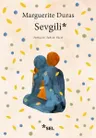
Walking on the way that A.R. Grillet paved, Duras introduces her more developed version of the Nouveau Roman. The characters are unnamed and the plot doesn’t matter, they’re almost non-existent. The items are the things that are used symbolically to define the characters. Intertextuality can also be observed. The narrative is fragmented as hell. Among all the books i’ve read from this movement so far, the discontunity of the narrative/plot is in its most prominent form in this novel. It jumps from memory to memory, which left me disoriented.
“I had become his child. It was with his own child he made love every evening.” Never felt so sick in my life. Now i’m not gonna start going on about how it romanticizes pedophilia and colonialism of Indochina since it’s literally an autobiography. What can i say?
Reklam
Kimin suçu? Cehennemden Gelen benim mi?1000Kitap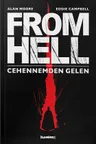

Bence From Hell(Cehennemden Gelen)’i okumayan kendisine çizgi roman ya da grafik romanı demesin lütfen. Böylesine muhteşem bir derinliğe sahip bir grafik roman mutlaka okunmalı, okuduğunuzda da pişmanlık duymayacağınız aksine ‘neden bugüne kadar bu kitabı okumadım’ diye hayıflanacaksınız. Üstelik içinde geçen olaylar tamamen bir kurgudan oluşmamakla birlikte realitenin ta kendisi. 1880’li yıllarda bir dizi işlenen cinayetlerin kim ya da kimler tarafından gerçekleştirildiği üzerine kafa yoran bu grafik roman ünlü Karındeşen Jack ile de muhtelif bilgiler veriyor.
 Cehennemden Gelen
  Alan Moore
Cehennemden Gelen Alan Moorea review

Puan vermedi
The window imagery in “Wuthering Heights” is a multifaceted symbol, representing themes of confinement, isolation, desire for connection, and the interplay between the internal and external worlds. They often represent barriers and confinement. Catherine and Heathcliff frequently look out of windows, reminding lack of belonging or desire for escape. Also, the physical barriers of the windowpanes symbolize the isolation and emotional distance prevalent in the novel. While Catherine is sick, she wants Nelly to open the windows, so that the wall between Heathcliff's and her own worlds can be opened and their souls can blend. For the same reason, Heathcliff opens the windows before he dies, with his eyes open. When Nelly finds him dead, she compares his eyes to the "windows of hell" and tries to close them like a window.
The window becomes a metaphorical boundary between the civilized and the primal, tamed and wild. When Catherine and Heathcliff are children, they spy on the Lintons through the window, and they see how luxurious and "splendid" the Thrushcross Grange in contrast to Wuthering Heights. Moreover, windows blur the boundary between inside and outside, just as Heathcliff, an ambiguous and in-between character. Another window metaphor can be seen in Lockwood's relationship with the story. Lockwood listens to the whole story from Nelly as if he were looking through a window, literally peeping Heathcliff and Catherine's past.

“Nobody in their right mind would let you walk away from them. Not once and no way in hell twice, angel.”
Çok seviyorum, Mariana Zapata en sevdiğim yazar olabilir Slow burn kraliçem yine döktürmüştü Rhodes, Aurora, Amos hepsine ayrı aşık oldum, karakterler inanılmaz tatlıydı. Aurora ve Rhodes ilişkisi mükemmel ilerledi, Aurora ve Amos’un hikaye boyunca gelişen arkadaşlıkları, aralarındaki dayanışma da ayrı etkiledi beni.
Bu kadın gerçek hayattaki aşık olma hissini yaşatıyor bana. Karakterler şıp diye aşık olmuyorlar zamanla beraber paylaşılan anlarla öyle güzel yaklaştırıyor ki karakterleri…
Tek sıkıntım Rhodes’un Aurora’ya bazen Buddy diye seslenmesiydi onu görmezden gelip Angel ve Sweetheart’a odaklandım :)
Mariana’nın bir kitabını daha okuduğuma çok mutluyum, age gap var, small town var, grumpy mc var, single parent var tam benlik mis gibi bir kitaptı. Wait For It ve The Wall of Winnipeg and Me ile birlikte listemdeki üst sırada yerini aldı.


8/10
2024 11. kitabı
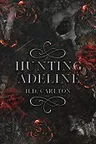
I've read this serie at my own risk, that's for sure, I've checked all of the trigger warnings etc. But I still can't believe myself that I started reading Dark Romance with Haunting Adeline for the first time in my life. The first book wasn't that traumatising at first to be honest, i even liked it at the end but... the second book... I can't even bring myself to explain how traumatised I am right now. I... I almost forgot how terribly triggered I am from the pregnancy trope and the raping while I was reading it. At some point I even questioned my own life about why the hell was I reading that thing. But the author had already put those warnings and it was my own choice to read it so I'll stop complaining about that.
One other thing. I kinda liked how crazy is Sibby, but again there was something off about her that pissed me off a little.
All the things–triggering things–aside, I liked the author's language. I'll keep reading their other books so stay tuned.
Reklam
Reklam