aytan
@manwol
kimya mühendisliği
Bakı
Bakı, 2002
75 okur puanı
Nisan 2021 tarihinde katıldı


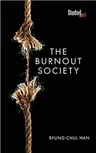
In The Burnout Society Byung Chul Han offers a powerful critique of the shift in modern life. The book examines our shift from a disciplinary society to achievement society. Disciplinary society is governed by no. "You may not do this". That is not the way society works today. Instead of disciplinary society we have achievement society. We are all pressured to be entrepreneurs of ourselves and have an unlimited can. Instead of "you may not" in disciplinary society there is a "you can do this". In contemporary society there is an excess of positivity from within and collapse of negativity. Disciplinary society is still governed by no. Its negativity produces madmen and criminals. In contrast, achievement society creates depressives and losers. The subject is no longer an obedient individual being told what to do. Instead, the subject is now an entrepreneur of the self, constantly working on self-improvement, willingly pushing themselves to produce, achieve, and perform. This is the core of the achievement society. The imperative is no longer "you should" but "you can." This shift from “should” to “can” appears liberating on the surface — who wouldn’t want to believe they can do anything or be anyone? But Han reveals the dark undercurrent of this positive trend.
The positivity of ‘can’ turns out to be more efficient than the negativity of ‘should.’ It motivates individuals to willingly push themselves, to work longer, harder all in the name of growth and self-improvement. We are told to maximize ourselves even when we’ve already reached our limit. In this structure, we become both master and slave, driven by an internalized pressure to achieve. As Han puts it, in achievement-society, we are the entrepreneurs of ourselves, and exploit ourselves in the name of
Reklam
Puan vermedi·108 syf.··
Beğendi
·2023 36. kitabı
·4 saatte okudu
·Okunma: 13 Kasım 2023 22:34
Sartr bu mühazirəsində ekzistensializm və humanizm anlamlarını dəyərləndirməklə yanaşı bəzi yanlış təsəvvürlər haqqında da məlumat verir. Məsələn ekzistensializm bəzilərinə pessimist görünə bilər. Çoxları bunun kədər, həyatın mənasızlığı və narahatlıqla əlaqələndiyini düşünür. Sartr bununla razılaşmır. Ekzistensializm nikbindir, çünki o bizə bir növ öz taleyimizi verir. Ekzistensializm deyir ki, biz əvvəlcədən müəyyən edilmiş bir tale ilə yaşamırıq. Öz seçimlərimizi və özümüzü seçirik. Bu da bizim əslində nə qədər çox gücə malik olduğumuzu göstərir. Təsəvvür edə biləcəyimizdən də çox. İnsan azad olmağa məhkumdur. Niyə məhkumdur? Çünki baxmayaraq ki, insan özü özünü yaratmadı, lakin etdiyi hər seçimdən məsuliyət daşıyır.
Sartr ekzistensializmin subyektivliyi barədə isə deyir ki, özümüz üçün seçim edərkən əslində bütün insanlar üçün seçim edirik. Bu da özlüyündə böyük məsuliyyət daşıyır. Tək subyektiv olaraq özümüz üçün deyil də, hamı üçün məsuliyyət daşıyırıq.
Sartr "varlıq mahiyətdən öncə gəlir" deyə bir fikir irəli sürür. Məsələn çəkic düzəldən biri çəkicin nə işə yaradığını, yəni mahiyyətini önə alaraq onu düzəldir. Amma Sartrın da ateist olduğunu nəzərə alsaq, bir yaradıcı olmadığına görə mahiyyətsiz yaranmışıq. Varlığın mahiyyətdən əvvəl olduğunu deməklə nəzərdə tutduğu şey odur ki, insan ilk növbədə var olur, özü ilə qarşılaşır, dünyada yüksəlir və sonra özünü müəyyən edir.
Əvvəla onu deyim ki, kitabı oxumaq istəsəniz, bu nəşriyatını oxumayın. Tərcümə daha yaxşı ola bilərdi.
Kitaba gəlincə isə "insanın yaxşı olması üçün ağıla ehtiyacı varmıdır?", "niyə sevilən şeylərə daha çox sevən tərəf zərər vurur?" kimi sualları düşündürür. Kitabın bu qədər qısa və asan oxunulan olmasına baxmayaraq dərin bir fəlsəfi tərəfi var. Kitabdan çıxardığım nəticələrdən biri bu oldu ki, "Güc ağılla birləşmədikdə öldürücü zəhərə çevrilir".
Belə bir maraqlı faktı da qeyd edim ki, kitabdakı hadisələr Soledad-da baş verir hansı ki ispan dilində mənası "tənhalıq" deməkdir. Eynən obrazların tənha olduğu kimi.
Spoiler
Kitabda yaşlı kişi iti öldürüldükdən sonra peşman olur və "kaş ki onu mən öldürsəydim" deyir. Bu hadisə bir növ kitabın sonluğu ilə əlaqəlidir. Bəlkə də bundan təsirlənən George dostunu Curleyin deyil də özünün öldürməsini istəmişdi. Əgər ölüm qaçınılmazdırsa, öldürənin nifrətindənsə, öldürənin mərhəməti daha üstündür.

İlk incələməm!Felsefe-Düşünce
Puan vermedi·160 syf.··
Beğendi
·2022 37. kitabı
·10 günde okudu
·Okunma: 26 Ekim 2022 17:10
Albert Camus ilə ilk tanışlığım "Yabancı" kitabı ilə olmuşdu. Absurdizm fəlsəfəsi diqqətimi çəkdiyi üçün bu kitabını da oxumağa qərar verdim.
Əvvala, yəqin ki hamımız həyat, həyatın mənası və ya mənasızlığı haqqında düşünmüşük. Hər birimizin bu barədə fikirləri subyektivdir. Kamyuya görə həyat mənasız və absurddur. Kamyu düşünür ki, həyatın mənası (əgər varsa da) insan sərhədlərindən kənardadır. Bu "məna"nın nə olduğunu bilməyimiz mümkün deyil. Səhifə 65-də belə bir alıntı var:
"Kendi koşulumun dışında olan bir anlamın benim için anlamı ne? Ben ancak insan ölçüleriyle anlayabilirim."
Kamyu, tanrılar tərəfindən cəzalandırılmış Sizifin bir daşı təpəyə təkrar-təkrar yuvarlamağını insanın davamlı mübarizəsinə bənzədir. Bəzilərimiz Sizifin vəziyyətinin acınacaqlı olduğunu düşünə bilərik. Amma Kamyu onu öz taleyini qəbul edən, eyni zamanda təpədən enərkən, düşdüyü vəziyyəti düşünüb dərk etməyə yaxınlaşdığı anlarda bir növ rahatlıq və xoşbəxtlik tapan absurd bir qəhrəman kimi görür.
Kamyuya görə, insanın atmalı olduğu ilk addım həyatın absurd olduğunu qəbul etməkdir. Amma bunu da qeyd etmək lazımdır ki, həyatın mənasız olması onun yaşanmağa dəymədiyi anlamına gəlmir. Həyat nə qədər çox mənadan yoxsundursa, o qədər çox yaşamağa dəyərdir. Qısacası, intihar absurd həyatın məntiqli çıxış yolu deyil.
Mütləq yenidən oxumağım lazım olan kitabdır!