sena
@senabayram
Bennnnn venez chez moi, j'ai des bouquins formidables!!!!!
59 okur puanı
Şubat 2020 tarihinde katıldı
Şu anda okuduğu kitaplar



 İçimizdeki Şeytan romanlarda bu samaya karsi mücadele etmenin gereksizligine vurgu vardir ve
mücadele etmenin olumsuzlugu gündeme getirilerek, teslimiyet noktasinda karar
kilinmaktadir. Ya da "samaya" karst hemen bütün kahramanlar yenilirler. Oysa
Camus'un Sisofos Efsanesinde vermeye calistigi gibi bir varolusçu için aslolan
yenilecegini bilebile mücadeleden ve baskaldirmaktan vazgeçmemektir. Romanlarda
Raif Efendi (Maria Puder) ve Ömer (Macide) açikça yenilmisler ve baskaldirmay, hiç
düsünmemislerdir. Yusuf un baskaldinsi ise bilinmez bir mahiyet almis (Muazzez
ölmüstür) ve hatta Yusuf bilinmeze dogru yelken amaktan öteye gidememistir.
Romanlarda varolusçu yabancilasmayla temel bir zithk arz eden diger bir durum
da yabancilasmayla mücadele edilip, insanin ne olduguna karar verme eylemine ters
bir manzaranin sunulmasidir. Yani varolusçulara göre, insan, bu yabancisi oldugu
dünyada, absürde, samaya boyun egmeyecek ve "özünü" gerçeklestirip ne olduguna
karar vererek bu olumsuz durumlari asacaktir. Onu diger varliklardan ayiran da bu
"karar verme", "özünü"' gerçeklestirmedir, bu yönüyle insan, "kendisi için varlik" olur
ve "kendinde varliklardan" ayrilir. Sabahattin Ali'nin romanlarinda hemen higbir
kahraman, "özünü" gerçeklestirecek bir sorumluluk almaz ve ne olduguna karar
verecek dirayeti göstermez. Varolusçular için, bu dünyanin böyle olmasindan tekil
insan (dünya ondan önce oldugu için) sorumlu degildir fakat devam etmesinden
sorumludur. Cünkü böyle bir dünyaya düsmüstür fakat elindeki imkânlar kullanarak
bu dünyann degismesi için irade de bulunmamistir. Onun için de suçludur. Bu
anlamda, Sabahattin Ali'nin kahramanlari böyle bir iradede bulunmamislar,
yabancilasmaya teslim olmuslar406 ve "kendinde sey" mesabesinde kalmislardir.
Yusuf un baskaldinsi bu noktada olumlanabilecek
İçimizdeki Şeytan romanlarda bu samaya karsi mücadele etmenin gereksizligine vurgu vardir ve
mücadele etmenin olumsuzlugu gündeme getirilerek, teslimiyet noktasinda karar
kilinmaktadir. Ya da "samaya" karst hemen bütün kahramanlar yenilirler. Oysa
Camus'un Sisofos Efsanesinde vermeye calistigi gibi bir varolusçu için aslolan
yenilecegini bilebile mücadeleden ve baskaldirmaktan vazgeçmemektir. Romanlarda
Raif Efendi (Maria Puder) ve Ömer (Macide) açikça yenilmisler ve baskaldirmay, hiç
düsünmemislerdir. Yusuf un baskaldinsi ise bilinmez bir mahiyet almis (Muazzez
ölmüstür) ve hatta Yusuf bilinmeze dogru yelken amaktan öteye gidememistir.
Romanlarda varolusçu yabancilasmayla temel bir zithk arz eden diger bir durum
da yabancilasmayla mücadele edilip, insanin ne olduguna karar verme eylemine ters
bir manzaranin sunulmasidir. Yani varolusçulara göre, insan, bu yabancisi oldugu
dünyada, absürde, samaya boyun egmeyecek ve "özünü" gerçeklestirip ne olduguna
karar vererek bu olumsuz durumlari asacaktir. Onu diger varliklardan ayiran da bu
"karar verme", "özünü"' gerçeklestirmedir, bu yönüyle insan, "kendisi için varlik" olur
ve "kendinde varliklardan" ayrilir. Sabahattin Ali'nin romanlarinda hemen higbir
kahraman, "özünü" gerçeklestirecek bir sorumluluk almaz ve ne olduguna karar
verecek dirayeti göstermez. Varolusçular için, bu dünyanin böyle olmasindan tekil
insan (dünya ondan önce oldugu için) sorumlu degildir fakat devam etmesinden
sorumludur. Cünkü böyle bir dünyaya düsmüstür fakat elindeki imkânlar kullanarak
bu dünyann degismesi için irade de bulunmamistir. Onun için de suçludur. Bu
anlamda, Sabahattin Ali'nin kahramanlari böyle bir iradede bulunmamislar,
yabancilasmaya teslim olmuslar406 ve "kendinde sey" mesabesinde kalmislardir.
Yusuf un baskaldinsi bu noktada olumlanabilecekReklam
Madame Bovary & The Awakening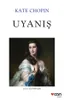 Uyanış
 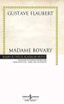 Madame Bovary stonishing similarities can be found in the two nineteenth-century novels “Madame Bovary” by Gustave Flaubert and “The Awakening” by Kate Chopin. The latter was published 1899, 42 years after Flaubert’s novel. A reason for the main differences between the two novels is the beginning of the feminist movement in the end of the nineteenth century. In spite of Edna being the “Creole Bovary”, as Willa Cather states (Knights 2000: xlii), her motifs and struggles differ from Emma’s. While Emma Bovary is guided by her romantic illusions and ideals only, Edna Pontellier is much more of a woman struggling for independence and self-control. Emma wants to be possessed by her lovers; Edna rejects even Robert’s wish for her being his wife: “I give myself where I choose.” (Chopin: 119). However, both women have a lot in common. Both Edna as well as Emma are victims of their societies. Emma lives among citizens who obey to the moral codes and rules of the French bourgeoisie, while Edna’s role is to follow the pattern of a Creole wife and mother. Being capricious and showing their own will is being seen as unheard-of in their societies. Especially the marital status of both women is cause and reason to boredom. Charles (as a doctor) and Léonce (as a businessman) are very busy with their work and extremely concerned about upholding their social status. In Edna’s case, her husband even sees her as one of his possessions: “[…] looking at his wife as one looks at a valuable piece of personal property which has suffered some damage.” (Chopin: 4) Although not spending much time with their wives, both husbands expect them to be exemplary wives. Thus, feeling oppressed and bored by the burdens of marriage and motherhood, the protagonists of both novels indulge in romantic love
Uyanış Madame Bovary stonishing similarities can be found in the two nineteenth-century novels “Madame Bovary” by Gustave Flaubert and “The Awakening” by Kate Chopin. The latter was published 1899, 42 years after Flaubert’s novel. A reason for the main differences between the two novels is the beginning of the feminist movement in the end of the nineteenth century. In spite of Edna being the “Creole Bovary”, as Willa Cather states (Knights 2000: xlii), her motifs and struggles differ from Emma’s. While Emma Bovary is guided by her romantic illusions and ideals only, Edna Pontellier is much more of a woman struggling for independence and self-control. Emma wants to be possessed by her lovers; Edna rejects even Robert’s wish for her being his wife: “I give myself where I choose.” (Chopin: 119). However, both women have a lot in common. Both Edna as well as Emma are victims of their societies. Emma lives among citizens who obey to the moral codes and rules of the French bourgeoisie, while Edna’s role is to follow the pattern of a Creole wife and mother. Being capricious and showing their own will is being seen as unheard-of in their societies. Especially the marital status of both women is cause and reason to boredom. Charles (as a doctor) and Léonce (as a businessman) are very busy with their work and extremely concerned about upholding their social status. In Edna’s case, her husband even sees her as one of his possessions: “[…] looking at his wife as one looks at a valuable piece of personal property which has suffered some damage.” (Chopin: 4) Although not spending much time with their wives, both husbands expect them to be exemplary wives. Thus, feeling oppressed and bored by the burdens of marriage and motherhood, the protagonists of both novels indulge in romantic love