


The Sultan, Abdul Hamid the Red Fox, was as afraid of his own subjects as of the foreigners. He repressed every new idea.
He refused all reforms. He covered the whole Empire with a network of spies, so that wherever three men talked together there was a fourth eavesdropping and reporting to the secret police. He allowed no liberty or personal security. He filled the prisons with Turks and massacred the Christians.
Reklam
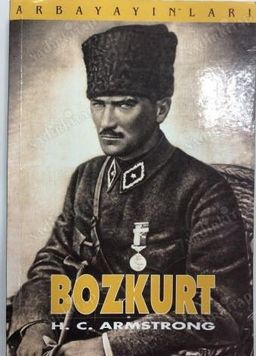
Mustafa Kemal'in adı bir darbı mesel olmuştur. Bu ad, yalnız Türkçe'ye değil Arap diline de iyice yerleşmiş durumdadır. Kuzey Afrika'daki toprakları aracılığıyla Batı Afrika uygarlıklarıyla kurdukları ilişkilerde Fransızlar, merhum Mustafa Kemal'in ismini sözlüklerinde ölümsüz kılmışlardır. Ortadoğu'da "Herkül'ün zorlu çabasından" bahsederken "C'est un travail d'Atatürk" deyişini kullanmaktadırlar.
Ancak bu kısa girişten sonradır ki, Mustafa Kemal'in yapıtını kendi tarihsel bağlarını içinde incelemek, ve bunu diğer çağlardaki ve dünyanın diğer yerlerindeki büyük reform hareketleriyle karşılaştırmak mümkün olacaktır. Çağımızın ünlü tarihçisi Arnold Toynbee şu sıralarda Rusya'nın Büyük Petro'su ve Japonya'nın Meiji Restorasyonu ile Atatürk'ün yapıtı arasında bir karşılaştırma çalışması yapmaya girişmiştir.
Rusya'nın reformist Çar'ı da muazzam bir transformasyon hareketi başlatarak halkının gözlerini batıya çevirmelerini sağlamaya çalışmıştı. Bununla birlikte, ne o ne de haletleri bu hareketi tamamlamayı başaramadılar. Aslında geniş reform hareketlerinin uygulanmasında Rusya'nın Türkiye'ye göre büyük avantajları vardı. Nüfusu, batı uygarlığının yuvasında, Avrupa'da yoğunlaşmıştı. Türkiye ise doğudaydı. Rusya, doğal kaynaklar açısından zengin olduğundan böyle bir denemeyi mali olarak karşılayabilecek güce sahipti. Rus köylüsünün devrim öncesi uyuşukluğu da, Türkler'in yaygın kaderciliğine göre daha az köklüydü.
On dokuzuncu yüzyılın altmışlı yıllarının Japonya'sındaki Meiji Restorasyonu'na gelince; bu hareket durağan bir feodal sistemi dinamik bir sanayi ekonomisine dönüştürmüştü. Ne ki, Türkiye ve Japonya arasındaki farklılıklar da çok fazlaydı. Büyük restorasyon hareketi başladığında, Japonya yıkılmaya yüz tutmuş bir ülke değildi. Beri yandan, Osmanlı İmparatorluğu
Saçmalardan Seçmeler..
In the thirteenth century after Christ there came the Great Drought. From the Wall of China throughout all Central Asia the land was cracked and parched for want of rain, and the tribes were on the move searching for new pastures for their flocks. Among them were the Osmanli Turks, whose chief, Sulyman Shah, carried on his banner the head of the Grey Wolf.
They were cruel and primitive, these Osmanli Turks, animalstrong with slit eyes in flat Mongol faces. They were as brutal and relentless as the grey wolves which hunted over the wide steppes of the fierce countries of Central Asia. Yet they were disciplined, by the dangers and risks of their nomad life, to rigid obedience under their leaders.
For centuries they had pitched their black horse-hair tents in the Plains of Sungaria on the edge of the Gobi Desert. Forced by lack of water and grass, Sulyman Shah led out his people and made westward. Finding the Hordes of Tartars to his north and pressing in behind him, he turned south, and so came, through Armenia into Asia Minor, into Modern History.
Sulyman died and Ertoghrul reigned in his stead, and after him came Emir Othman and Sultan Orchan, and from father to son ten generations of sultans followed each other. Often brutal and vicious, often unjust and bestial, they were rulers, leaders of men, and generals.
They found in front of them a world of dying empires, the decayed Seljuk, the worn-out Arab Empire of Baghdad and of the Caliphs, and the corrupted Byzantine. These they smashed and conquered.
Within three hundred years of the death of Sulyman Shah, his tenth descendant, Sultan Sulyman the Magnificent, the Law Giver, ruled with justice and strength an immense empire which stretched from Albania on the Adriatic coast to the Persian
frontier, from Egypt to the


Reklam