ℭody
@Stoiicman7
The better 𝔳𝔢𝔯𝔰𝔦𝔬𝔫𝔰 of me are already walking the planet. Love is my link 𝔱𝔬 𝔱𝔥𝔢 𝔣𝔲𝔱𝔲𝔯𝔢 ..
From the 1% .
⁵²⁰¹³¹⁴
ℭ𝔬𝔡𝔶
Before You Judge me, make sure You are Perfect!Psikoloji

Imagine a world where a patient goes to a clinic and gets prescribed highly addictive opioids because it is the end of the doctor’s long day – or that different sentences are given to people who committed the same crimes because one judge hasn’t had lunch yet.
These are some of the many real-world examples of “noise” that are mentioned in Noise: A Flaw in Human Judgment by renowned psychologist and winner of the 2002 Nobel Prize in Economic Sciences Daniel Kahneman. Noise is the follow-up to his previous book Thinking, Fast and Slow, released in 2011, which brought attention to his work on how cognitive biases shape judgment. In Noise, Kahneman and his co-authors, Oliver Sibony and Cass R. Sunstein, explore the other type of error impacting our judgments: noise.
The book follows the premise that “wherever there is judgment, there is noise – and more of it than you think”. If noise is so prevalent, why is it not widely spoken about? Kahneman notes that noise can only be identified in statistics, making it more difficult to track, which means it tends to go unnoticed and unmentioned.
Noise is broken up into six parts. It begins with the difference between noise (random scatter) and bias (systematic deviations), the nature of human judgment and how to measure accuracy and error. It also goes into predictive judgment, human psychology and the causes of noise, how to improve judgments and prevent error, and what is the right level of noise.
Who knew that important decisions could be swayed by seemingly redundant factors? Such as who spoke first in the meeting, what day of the week it is or whether the local football team won last night’s match. Many different types of noise are discussed in the book, but the most significant one, Kahneman says, is system noise. System

Hangi tür kitapları seviyorsun?
🔎 Polisiye
💕 Romantik
🚀 Bilim Kurgu
🏰 Fantastik
📖 Klasik
🧠 Kişisel Gelişim
🏛️ Tarih
😱 Gerilim
Hi my friends and Welcome to 'Christopher's World', with a gilt-edged invitation to take you on a journey for, dare I say that I am your 'tour guide' on a road trip into the deeply disturbing and darkest recesses, the abyss of the minds of psychopaths and savages..." (This opening line sets the tone for the book's exploration of the dark side of human behavior.)
Here are 10 potential lessons gleaned from Christopher Berry-Dee's "Talking with Psychopaths":
1. Psychopaths Lack Remorse: The book emphasizes the defining characteristic of psychopathy - the complete absence of remorse or empathy for the suffering of others.
2. Manipulation is Their Tool: Psychopaths are adept at manipulating others through charm, deception, and even flattery, often achieving their goals without remorse.
3. Evil Can lurk Beneath a Friendly Facade: Psychopaths can appear normal and even charismatic, making it difficult to discern their true nature based solely on outward appearances.
4. Understanding the "Why" May Be Elusive: The book explores the complexities of psychopathy's origins, leaving some questions about the definitive causes unanswered.
5. Vigilance is Key: While not everyone we meet is a psychopath, the book encourages awareness of manipulative behaviors and red flags that might indicate harmful intentions.
6. The Importance of Self-Protection: Understanding the characteristics of psychopaths can equip individuals to better protect themselves from potential exploitation or manipulation.
7. The System May Have Flaws: The book highlights potential shortcomings in the justice system when dealing with individuals with psychopathic tendencies.
8. The Darkness Can Be Closer Than We Think: Psychopaths can exist in various professions and social circles, not just confined to the realm of

Focus on innovating at value, not positioning against competitors1000Kitap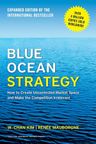
10/10
Kendimi kitabı okumuş saymıyorum, aksine üzerinde çalıştım ve bazı bölümlerini birden fazla kez yeniden okudum. Bunu 5 yıldan fazla bir süre önce duymuştum ve içindeki teorilerin geçerliliğini yitirmiş olmasını bekliyordum, ancak bunlar hâlâ günümüzün piyasa durumuyla tutarlı. Birden fazla açıdan görmenizi ve kitapta bahsedilen gerçek örneklerden ders almanızı sağlar. Yönetimle ilgilenenler için güzel bir kitap.
 W. Chan Kim'in yazdığı
  Blue Ocean Strategy , Genişletilmiş Baskı: Tartışmasız Pazar Alanı Nasıl Yaratılır ve Rekabeti Önemsiz Hale Getirilir kitabından bazı dersler:
1. Odak noktanızı rekabetten değer yeniliğine kaydırın. Rakiplerinizle kafa kafaya rekabet etmek yerine müşterileriniz için yeni değer yaratmaya odaklanın. Bu, statükoya meydan okumak ve sektörünüzün kurallarını yeniden tanımlamak anlamına gelir.
2. Müşteriniz olmayanları anlayın. Neden sizden satın almıyorlar? İhtiyaçları ve sıkıntılı noktaları neler? Müşteriniz olmayanları anlayarak, yeni pazar fırsatlarını belirleyebilir ve onların ihtiyaçlarını karşılamak üzere özel olarak tasarlanmış ürün ve hizmetler geliştirebilirsiniz.
3. Değer-maliyet dengesini bozun. Geleneksel görüş, ya yüksek değer ya da düşük maliyet sunabileceğiniz, ancak ikisini birden sunamayacağınız yönündedir. Ancak Mavi Okyanus Stratejisi, müşteriler tarafından değer verilmeyen faktörlerin eş zamanlı olarak ortadan kaldırılması ve azaltılması, aynı zamanda yüksek değer verilen faktörlerin yükseltilip yaratılmasıyla hem yüksek değere hem de düşük maliyete ulaşmanın mümkün olduğunu göstermektedir.
4. İlham almak için alternatif sektörlere bakın. Yeni fikirler üretmenin en iyi yolu kendi sektörünüzün ötesine bakmaktır. Daha iyisini yapabileceğiniz diğer sektörler neler yapıyor? Onların fikirlerini kendi pazarınıza nasıl
Blue Ocean Strategy , Genişletilmiş Baskı: Tartışmasız Pazar Alanı Nasıl Yaratılır ve Rekabeti Önemsiz Hale Getirilir kitabından bazı dersler:
1. Odak noktanızı rekabetten değer yeniliğine kaydırın. Rakiplerinizle kafa kafaya rekabet etmek yerine müşterileriniz için yeni değer yaratmaya odaklanın. Bu, statükoya meydan okumak ve sektörünüzün kurallarını yeniden tanımlamak anlamına gelir.
2. Müşteriniz olmayanları anlayın. Neden sizden satın almıyorlar? İhtiyaçları ve sıkıntılı noktaları neler? Müşteriniz olmayanları anlayarak, yeni pazar fırsatlarını belirleyebilir ve onların ihtiyaçlarını karşılamak üzere özel olarak tasarlanmış ürün ve hizmetler geliştirebilirsiniz.
3. Değer-maliyet dengesini bozun. Geleneksel görüş, ya yüksek değer ya da düşük maliyet sunabileceğiniz, ancak ikisini birden sunamayacağınız yönündedir. Ancak Mavi Okyanus Stratejisi, müşteriler tarafından değer verilmeyen faktörlerin eş zamanlı olarak ortadan kaldırılması ve azaltılması, aynı zamanda yüksek değer verilen faktörlerin yükseltilip yaratılmasıyla hem yüksek değere hem de düşük maliyete ulaşmanın mümkün olduğunu göstermektedir.
4. İlham almak için alternatif sektörlere bakın. Yeni fikirler üretmenin en iyi yolu kendi sektörünüzün ötesine bakmaktır. Daha iyisini yapabileceğiniz diğer sektörler neler yapıyor? Onların fikirlerini kendi pazarınıza nasıl
W. Chan Kim'in yazdığı Blue Ocean Strategy , Genişletilmiş Baskı: Tartışmasız Pazar Alanı Nasıl Yaratılır ve Rekabeti Önemsiz Hale Getirilir kitabından bazı dersler:
1. Odak noktanızı rekabetten değer yeniliğine kaydırın. Rakiplerinizle kafa kafaya rekabet etmek yerine müşterileriniz için yeni değer yaratmaya odaklanın. Bu, statükoya meydan okumak ve sektörünüzün kurallarını yeniden tanımlamak anlamına gelir.
2. Müşteriniz olmayanları anlayın. Neden sizden satın almıyorlar? İhtiyaçları ve sıkıntılı noktaları neler? Müşteriniz olmayanları anlayarak, yeni pazar fırsatlarını belirleyebilir ve onların ihtiyaçlarını karşılamak üzere özel olarak tasarlanmış ürün ve hizmetler geliştirebilirsiniz.
3. Değer-maliyet dengesini bozun. Geleneksel görüş, ya yüksek değer ya da düşük maliyet sunabileceğiniz, ancak ikisini birden sunamayacağınız yönündedir. Ancak Mavi Okyanus Stratejisi, müşteriler tarafından değer verilmeyen faktörlerin eş zamanlı olarak ortadan kaldırılması ve azaltılması, aynı zamanda yüksek değer verilen faktörlerin yükseltilip yaratılmasıyla hem yüksek değere hem de düşük maliyete ulaşmanın mümkün olduğunu göstermektedir.
4. İlham almak için alternatif sektörlere bakın. Yeni fikirler üretmenin en iyi yolu kendi sektörünüzün ötesine bakmaktır. Daha iyisini yapabileceğiniz diğer sektörler neler yapıyor? Onların fikirlerini kendi pazarınıza nasılChange Your Mindset, Change Your Life.1000Kitap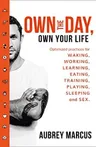
Rahat seçim için ödüllendirilmezsiniz.  Own The Day, Own Your Life
Tek bir gün hayatınız gibidir. Her parça birbiriyle bağlantılıdır, yaptığınız her seçim gelecekte yapacağınız seçimleri etkiler. Gerçek dönüşümü gerçekleştirmek için tek bir şeyi değiştirmeye değil, bir gün değişmeye odaklanmalısınız.
Şimdi sizden bir yıl sonraki kendinizi hayal etmenizi istiyorum. Hiçbir şey yapmasanız da, bir yıl içinde farklı olacağınızı biliyorsunuz. Ve şimdi ve o zaman arasında yapacağınız seçimler bu farkı belirleyecektir.
Kendi hayatınızın yazarı olduğunuzu unutmayın; Günün sahibi ol, hayatının sahibi ol.
Dedikleri gibi: Küçük şeyler zamanla birleştiğinde büyük sonuçlar doğurma eğilimindedir. Sonuçta evrimin özü budur.
Notlar:
-Enerji ve zaman eksikliği, insanların günlerini optimize etmeye çalışırken karşılaştığı iki ana sorundur.
-Sabahları yapmanız gereken ilk şey kahve içmek yerine bir bardak suya uzanmaktır. Uyku sırasında insan vücudu çok susuz kalır. Paranızın karşılığını biraz daha almak için biraz limon suyu ve küçük bir tutam deniz tuzu ekleyin.
-Kahvaltılık yiyeceklerin çoğu rafine şeker ve çok az lifle doludur. Bu, sabahın erken saatlerinde insülin tepkisinin tetiklenmesine yol açarak sizi uyuşuk ve sinirli hale getirebilir, bu da güne başlamanın harika bir yolu değildir.
-Modern yaşam tarzı bizi atalarımızın sahip olduğu mineraller, besinler ve iyi bakteriler gibi pek çok olumlu yönden mahrum bırakıyor. Sığır eti, süt ürünleri ve yumurta gibi günümüzün gıda kaynaklarının çoğu, serbestçe otlayabilen hayvanlardan elde edilen benzer gıdalarda bulunan besin maddelerinin çoğundan yoksun olan, tahılla beslenen kaynaklardan gelmektedir. Yetiştirilen bitkilerimizin ve sebzelerimizin çoğu, doğal gübreleme ve kompostlama yoluyla besin profilini yenilemek için yeterli zaman verilmeyen toprakta
Own The Day, Own Your Life
Tek bir gün hayatınız gibidir. Her parça birbiriyle bağlantılıdır, yaptığınız her seçim gelecekte yapacağınız seçimleri etkiler. Gerçek dönüşümü gerçekleştirmek için tek bir şeyi değiştirmeye değil, bir gün değişmeye odaklanmalısınız.
Şimdi sizden bir yıl sonraki kendinizi hayal etmenizi istiyorum. Hiçbir şey yapmasanız da, bir yıl içinde farklı olacağınızı biliyorsunuz. Ve şimdi ve o zaman arasında yapacağınız seçimler bu farkı belirleyecektir.
Kendi hayatınızın yazarı olduğunuzu unutmayın; Günün sahibi ol, hayatının sahibi ol.
Dedikleri gibi: Küçük şeyler zamanla birleştiğinde büyük sonuçlar doğurma eğilimindedir. Sonuçta evrimin özü budur.
Notlar:
-Enerji ve zaman eksikliği, insanların günlerini optimize etmeye çalışırken karşılaştığı iki ana sorundur.
-Sabahları yapmanız gereken ilk şey kahve içmek yerine bir bardak suya uzanmaktır. Uyku sırasında insan vücudu çok susuz kalır. Paranızın karşılığını biraz daha almak için biraz limon suyu ve küçük bir tutam deniz tuzu ekleyin.
-Kahvaltılık yiyeceklerin çoğu rafine şeker ve çok az lifle doludur. Bu, sabahın erken saatlerinde insülin tepkisinin tetiklenmesine yol açarak sizi uyuşuk ve sinirli hale getirebilir, bu da güne başlamanın harika bir yolu değildir.
-Modern yaşam tarzı bizi atalarımızın sahip olduğu mineraller, besinler ve iyi bakteriler gibi pek çok olumlu yönden mahrum bırakıyor. Sığır eti, süt ürünleri ve yumurta gibi günümüzün gıda kaynaklarının çoğu, serbestçe otlayabilen hayvanlardan elde edilen benzer gıdalarda bulunan besin maddelerinin çoğundan yoksun olan, tahılla beslenen kaynaklardan gelmektedir. Yetiştirilen bitkilerimizin ve sebzelerimizin çoğu, doğal gübreleme ve kompostlama yoluyla besin profilini yenilemek için yeterli zaman verilmeyen toprakta
Own The Day, Own Your Life
Tek bir gün hayatınız gibidir. Her parça birbiriyle bağlantılıdır, yaptığınız her seçim gelecekte yapacağınız seçimleri etkiler. Gerçek dönüşümü gerçekleştirmek için tek bir şeyi değiştirmeye değil, bir gün değişmeye odaklanmalısınız.
Şimdi sizden bir yıl sonraki kendinizi hayal etmenizi istiyorum. Hiçbir şey yapmasanız da, bir yıl içinde farklı olacağınızı biliyorsunuz. Ve şimdi ve o zaman arasında yapacağınız seçimler bu farkı belirleyecektir.
Kendi hayatınızın yazarı olduğunuzu unutmayın; Günün sahibi ol, hayatının sahibi ol.
Dedikleri gibi: Küçük şeyler zamanla birleştiğinde büyük sonuçlar doğurma eğilimindedir. Sonuçta evrimin özü budur.
Notlar:
-Enerji ve zaman eksikliği, insanların günlerini optimize etmeye çalışırken karşılaştığı iki ana sorundur.
-Sabahları yapmanız gereken ilk şey kahve içmek yerine bir bardak suya uzanmaktır. Uyku sırasında insan vücudu çok susuz kalır. Paranızın karşılığını biraz daha almak için biraz limon suyu ve küçük bir tutam deniz tuzu ekleyin.
-Kahvaltılık yiyeceklerin çoğu rafine şeker ve çok az lifle doludur. Bu, sabahın erken saatlerinde insülin tepkisinin tetiklenmesine yol açarak sizi uyuşuk ve sinirli hale getirebilir, bu da güne başlamanın harika bir yolu değildir.
-Modern yaşam tarzı bizi atalarımızın sahip olduğu mineraller, besinler ve iyi bakteriler gibi pek çok olumlu yönden mahrum bırakıyor. Sığır eti, süt ürünleri ve yumurta gibi günümüzün gıda kaynaklarının çoğu, serbestçe otlayabilen hayvanlardan elde edilen benzer gıdalarda bulunan besin maddelerinin çoğundan yoksun olan, tahılla beslenen kaynaklardan gelmektedir. Yetiştirilen bitkilerimizin ve sebzelerimizin çoğu, doğal gübreleme ve kompostlama yoluyla besin profilini yenilemek için yeterli zaman verilmeyen topraktaKitapta sırasıyla üç ana konu yer alıyor:
-Maksimum güç üretme teknikleri
-GTG (Oluğun Yağlanması)
-Tabanca Squat ve Tek Kol Şınavı nasıl yapılır
ve sonunda bazı Soru-Cevaplar ve reklamlar
Maksimum güç üretme teknikleri
Tam vücut gerginliğine sahip olmanın neden önemli olduğunu anlatıyor ve vücudun birkaç bölümünün (yumruk, karın kasları, kalça kasları vb. gibi) nasıl gerileceğini ve tüm vücut gerginliğine sahip olmak için nasıl nefes alınacağını öğretiyor. Bu tekniklerin nasıl daha güçlü bir güç üretmemize olanak sağlayacağından bahsediyor.
Bu aslında sihirli bir şekilde işe yarıyor. Sıraların ortasında yumruk ve karın kaslarını gerdiğimde birdenbire daha kolay hissettim. O kadar kolay geldi ki, 7 RPE hedefime ulaşmak için önceki setten 2 tekrar daha yapmak zorunda kaldım.
GTG (Oluğun Yağlanması)
Zaten internette GTG'nin nasıl yapılacağını anlatan birçok kaynak var. GTG'yi popüler hale getirdiğine inandığım Pavel'in sözlerini okumak istiyorsanız burası iyi bir yer. Temel olarak GTG'nin neden çalıştığından ve GTG'nin nasıl düzgün şekilde yürütüleceğinden bahsediyor.
Pistol Squat ve Tek Kol Şınavı nasıl yapılır?
Tabanca squat'ın (ve çeşitlerinin) ve tek kol şınavının (ve çeşitlerinin) nasıl yapılacağını açıklıyor. Aynı zamanda daha kolay varyasyonlardan daha zor varyasyonlara nasıl ilerleneceğinden de bahsediyor. Bunların her birinin nasıl göründüğünü gösteren birçok resim var.
Ancak bu iki hamle ilginizi çekmiyorsa bu kısmı atlayabilirsiniz. (Bu, kitabın neredeyse yarısını alır).
Çözüm
Bu kitabı GTG'yi daha iyi anlamak için aldım ama sonunda en çok değeri gerilim tekniklerinden elde ettim. Germe tekniklerini ve/veya GTG'yi daha iyi anlamak istiyorsanız okumaya değer. Tabanca ağız kavgası ve tek kol şınav hakkındaki son kısımda, kişisel olarak bunları nasıl