Rezalet Bir Çeviri

Puan vermedi
Kitabın çevirisi aşırı özensiz, kötü ve hatta hatalı. Ayrıca metinde çok ciddi bir eksiltme de var; yaklaşık %30 - %40 arası bir kırpma söz konusu. Çevirmen berbat bir iş çıkarmış. Bunu herhangi bir yapay zekaya - hatta Google Çeviriye bile çevirtip okumaya kalksak daha iyi sonuç alırız.
Çeviriden birkaç örnek vermek istiyorum.
1-) Orijinal kitaptan bir cümle:
"The garden was overgrown, full of red-flowering oleanders and with Asiatic pines round a ruined fountain."
Türkçe çevirisi:
"Sütunlarla dolu bahçe ise oldukça bakımlı görünüyordu. Harap olmuş bir çeşmenin etrafı çeşitli çiçeklerle doluydu."
Burada "overgrown" derken = yani bahçedeki otlar büyümüş, yabani otlar sarmış, BAKIMSIZ kalmış diyor. Bunu "Bakımlı" olarak çevirmek için gerçekten kötü ve yanlış çevirmeye çaba harcamış olmak lazım.
2-) Orijinal dilde bir betimleme:
"...with moving wrinkles under them as though the whole lower part of his face were on a hinge."
Yani karakter konuşurken yüzünün alt kısmının / çenesinin, bir menteşeye bağlıymış gibi hareket ettiğini söylüyor. Bu zihinde kolayca canlanabilen çok güzel bir görsel betimleme.
Ama Türkçe çevirisi:
"Zeki gözlerinin altında kırışıklıklar görülüyordu."
3-) Kırpılmış paragraflardan bir örnek:
"The Street of Tombs lies outside the walls of Pompeii. It leads from the Herculaneum Gate, descending a shallow hill like a broad trough of paving-blocks between a footway on either side. Cypresses stand up over it, and make this street of the dead seem alive. Here are the burial-vaults of the patricians, the squat altars hardly yet blackened to ruin. When this man heard his own footsteps there, he felt merely that he had got into a neglected suburb. The hot, hard light shone on paving-stones worn to ruts by cartwheels; on grass sprouting in cracks, and

"But, alas, I had done what I had determined not to do; I had slipped unthinkingly into praise of my own sex." (page: 121)
A Room of One's Own is best understood when we first reflect on what feminism actually represents. Is it merely a demand for equality? Or a rebellion against centuries of imposed roles and limitations placed upon women? Even today, when we read about the historical denial of women’s most basic rights and freedoms, we are still surprised, perhaps because contemporary society presents such a different image of gender roles.
Let us imagine a world in which women were confined solely to domestic responsibilities: raising children, sewing, and managing the household, often forced into marriage and denied access to education. A world in which they had no private space, not even half an hour truly their own. In Woolf’s argument, the absence of such material and intellectual space explains why fewer women emerged as successful writers. Without a room of one’s own, she suggests, a woman is also deprived of an inner world that belongs to her alone. Nothing is truly hers; everything is defined through ownership by men. Even the impulse to resist such conditions is gradually suppressed.
Woolf’s writing carries a clear sense of intellectual rebellion. She questions why women could not live as freely as men, and imagines the creative potential that might have emerged under equal conditions. She also attempts to explain male claims of superiority through psychological and social patterns: insecurity masked as dominance, and the need to define oneself as superior to at least half of society in order to compensate for internal doubt. Meanwhile, women, historically excluded even from libraries and formal education, were denied the very conditions necessary to


0-30p: Kontrollü okuyucu 📖
40-70p: Hafif bağımlı 👀
80p+: Geçmiş olsun, kitaplar seni ele geçirmiş 😅
On the Illusion of AcademiaAlıntı

“Clearly, the only solution was for all of us to take one step backward so that the door could be pulled open. By this point a group of plumbers, a group of bricklayers, a group of hookers, a group of chimpanzees would have figured this out . But the room contained, unfortunately, a group of academics, and we couldn’t quite believe what had happened to us.”

The Wonderful Wizard of Oz by L. Frank Baum tells the story of Dorothy, a young girl who lives in Kansas and is suddenly carried away by a cyclone to the magical land of Oz. After her house accidentally kills the Wicked Witch of the East, Dorothy learns she must travel to the Emerald City to ask the Wizard of Oz for help returning home. Along the way, she meets the Scarecrow, who believes he lacks a brain; the Tin Woodman, who longs for a heart; and the Cowardly Lion, who wishes for courage. The group travels together, facing various challenges before finally reaching the Wizard. He promises to help them only if they defeat the Wicked Witch of the West, which Dorothy ultimately does. However, when they return, the Wizard is revealed to be an ordinary man using illusions. Despite this, he gives Dorothy’s companions tokens that help them recognize they already possess the qualities they desired. In the end, Dorothy learns she can return home using the magical power of her silver shoes, realizing that her greatest wish has been within her reach all along.
From a literary perspective, the novel explores themes of self-discovery, identity, and the importance of inner qualities over external appearances. Each of Dorothy’s companions symbolizes a human trait "intelligence, compassion, and courage" and their journeys reveal that these qualities are not granted by others but already exist within them. This idea reflects a central message of the novel: people often underestimate themselves and seek validation from external sources instead of trusting their own abilities. The story also examines the contrast between illusion and reality, particularly through the character of the Wizard, who appears powerful but is ultimately just an ordinary man. This suggests a subtle criticism
Cesur Yeni Dünya: Felsefi Bir TeşrihAlıntı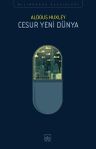

Huxley’in bu eseri, alelade bir fütüristik anlatı değil; insan ruhunun "konfor ve istikrar" uğruna nasıl kurban edildiğinin bir reddiyesidir.
1. Saadet-i Sun’iyye ve İstikrar Mekanizması
Bu medeniyette "saadet", ulvi bir gaye değil, bir uyuşturucudur. İnsanlar acıdan azade kılınmıştır; ancak bu hal, onların tekamülüne mani olur.
Hissiyatın İzmihlali: Aşk, aile ve sadakat gibi derin manevi bağlar "müstehcen" kabul edilir. Herkesin herkese ait olduğu bu sistemde, ulvi duyguların yerini süfli hevesler almıştır.
2. Vahşi’nin Trajedisi: Hürriyet ve Istırap
John (Vahşi),  William Shakespeare eserleriyle beslenmiş, ruhu ıstırap ve aşkla yoğrulmuş bir figürdür. Onun modern dünyaya itirazı, aslında insan olmanın şerefini müdafaa girişimidir.
• Hakk-ı Istırap: John, Mond’a karşı şu meşhur savunmayı yapar: "Ben saadet istemiyorum, ben Tanrı’yı istiyorum, şiiri istiyorum, gerçek tehlikeyi istiyorum, hürriyeti istiyorum, iyiliği istiyorum. Günahı istiyorum."
3. Teknolojik İstibdat (Teknokrasi)
Eserde teknoloji, beşeriyetin hizmetkârı değil, efendisidir. İnsan artık bir "şahsiyet" değil, üretim çarkının bir "parçası" (vida) hükmündedir. Bu durum, insanın kendi eliyle inşa ettiği bir "altın kafes" trajedisidir.
William Shakespeare eserleriyle beslenmiş, ruhu ıstırap ve aşkla yoğrulmuş bir figürdür. Onun modern dünyaya itirazı, aslında insan olmanın şerefini müdafaa girişimidir.
• Hakk-ı Istırap: John, Mond’a karşı şu meşhur savunmayı yapar: "Ben saadet istemiyorum, ben Tanrı’yı istiyorum, şiiri istiyorum, gerçek tehlikeyi istiyorum, hürriyeti istiyorum, iyiliği istiyorum. Günahı istiyorum."
3. Teknolojik İstibdat (Teknokrasi)
Eserde teknoloji, beşeriyetin hizmetkârı değil, efendisidir. İnsan artık bir "şahsiyet" değil, üretim çarkının bir "parçası" (vida) hükmündedir. Bu durum, insanın kendi eliyle inşa ettiği bir "altın kafes" trajedisidir.
 Cesur Yeni Dünya , bize şu suali tevcih eder: İnsan, hiçbir kederin olmadığı bir cennet simülasyonunda mı yaşamalıdır; yoksa hürriyeti ve acısıyla gerçek bir cehennemi mi tercih etmelidir?
  Aldous Huxley ,ruhsuz bir refahın, aslında en büyük esaret olduğunu ihtar etmektedir. Son olarak Bu tahlil ışığında, kitaptaki "Soma" maddesinin günümüzdeki dijital bağımlılıklar ve sosyal medya illüzyonlarıyla olan benzerliğini de göz ardı etmemeli!..
William Shakespeare eserleriyle beslenmiş, ruhu ıstırap ve aşkla yoğrulmuş bir figürdür. Onun modern dünyaya itirazı, aslında insan olmanın şerefini müdafaa girişimidir.
• Hakk-ı Istırap: John, Mond’a karşı şu meşhur savunmayı yapar: "Ben saadet istemiyorum, ben Tanrı’yı istiyorum, şiiri istiyorum, gerçek tehlikeyi istiyorum, hürriyeti istiyorum, iyiliği istiyorum. Günahı istiyorum."
3. Teknolojik İstibdat (Teknokrasi)
Eserde teknoloji, beşeriyetin hizmetkârı değil, efendisidir. İnsan artık bir "şahsiyet" değil, üretim çarkının bir "parçası" (vida) hükmündedir. Bu durum, insanın kendi eliyle inşa ettiği bir "altın kafes" trajedisidir.
Cesur Yeni Dünya , bize şu suali tevcih eder: İnsan, hiçbir kederin olmadığı bir cennet simülasyonunda mı yaşamalıdır; yoksa hürriyeti ve acısıyla gerçek bir cehennemi mi tercih etmelidir? Aldous Huxley ,ruhsuz bir refahın, aslında en büyük esaret olduğunu ihtar etmektedir. Son olarak Bu tahlil ışığında, kitaptaki "Soma" maddesinin günümüzdeki dijital bağımlılıklar ve sosyal medya illüzyonlarıyla olan benzerliğini de göz ardı etmemeli!..SPOILER ALERT
Huózhe (To Live) — Yu Hua
Summary
Yu Hua’s Huózhe (活着, To Live) follows the tragic life of Xu Fugui, once a wealthy young man who squanders his fortune gambling and is reduced to poverty. After losing his land and wealth, Fugui is conscripted into the Nationalist army, later captured by the Communists, and finally returns home years later only to find his father dead and his family destitute.
From then on, Fugui’s life becomes a series of losses: his mother dies, his son Youqing is accidentally killed during a blood transfusion intended for a local official’s wife, his daughter Fengxia (mute from childhood illness) dies giving birth, and his wife Jiazhen passes away quietly not long after. Fugui’s son-in-law also dies in a construction accident, leaving Fugui to raise his grandson Kugen, who later dies from overeating sweet potatoes.
By the novel’s end, Fugui lives alone with an old ox named after himself, recounting his story to a wandering narrator. Despite unbearable grief, he endures.
> “人是为了活着本身而活着的,不是为了活着之外的任何事物而活着。”
“People live for the sake of living itself, not for anything beyond that.”
This quote captures the moral essence of the novel, existence as resistance.
Character Focus
Xu Fugui: Once selfish and hedonistic, he becomes a symbol of endurance and humility.
Jiazhen: Embodies patience, forgiveness, and the quiet strength of women during turbulent times.
Youqing & Fengxia: Represent innocence crushed by forces beyond control: politics, fate, or chance.
The Narrator: A detached listener who records Fugui’s oral story, giving it a folkloric and historical weight.
Historical and Political Context
The novel’s backdrop covers four major historical periods in China: