Persian Şah AbbasAlıntı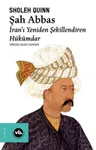

İran'ın Orta Çağ tarihinin zirve noktasına güzel bir ziyaret gerçekleştirdik. Şah Abbas'ın yönetime nasıl geldiğinden ne gibi gelişmelere imza attığına dair akademik bilgiler edineceksiniz. Osmanlı ile İran arasındaki münasebetlerin temelinde ne kadar dini neden yatıyor gibi görünse de aslında ticaret ve hakimiyet meselesinden başka bir şey değil. Şah İsmail'in Şii'liği resmi bir mezhep haline getirmesi ile birlikte özellikle Doğu Anadolu, Azerbaycan-Gürcistan-Revan gibi yerlere hükmetme mücadelesi ta o zaman başlayacak ve bu süreç Kasr-ı Şirin antlaşmasına kadar ara sıra yapılan karşılıklı seferlerle devam edecektir. Şah Abbas'ın devri doğusunda Babürler, batısında da Osmanlı gibi güçlerinin zirve dönemlerine denk gelmesi tek handikapı olmuş. Bunun yanı sıra reformist bir Şah olması hasebiyle Safevileri tekrardan diriltip, müktedir bi konuma getiriyor. Öncelikle başkentini Erdebil-Kazvin gibi yerlerden İsfahan'a taşıyor ki bunu yapmadan öncede İsfahan'ı yeniden ve görkemli bir şekilde inşa ediyor. Bu dönemde İsfahan'ın diğer bir ismi Nıfsi Cihan yani Dünyanın yarısı unvanını alıyor. Avrupa'dan birçok seyyah ve diplomat Safeviler ile doğrudan temasa geçip, Osmanlı konusunda ittifak kurmaya çalışıyorlar fakat bu çabalar çoğu zaman boşa gidiyor. Zira aradaki uzak mesafe ve gidiş-gelişlerde Osmanlı gibi bir devletin sınırları içersinden geçilmesi tehlikeler arz ediyor. Tarihi akademik anlamda okuyan herkese tavsiye ederim, ayrıca o dönemin İran'ına her yönden bir ziyarette bulunmak isteyenler de rahatlıkla okuyabilir. Son derce akıcı bir eser max 2 günde bitirebilirsiniz.
Şah Abbas: İran'ı Yeniden Şekillendiren HükümdarSholeh Quinn · Vakıfbank Kültür Yayınları · 202116 okunma
Ömer hayyamlı persian kitabı

Kitap ömer hayyam zamanında iran’da geçiyor yani öyle başlıyor ortasına kadar büyük selçuku devrinde gelişen olaylarla devam ediyor. Hatta bi ara hasan sabbah (haşaşinler) de dahil oluyor. Sonra kitap çok enteresan bi şekilde 1910lı yıllarda iran’ın modernleşme uğruna verdiği savaşı hikayeleştirerek anlatıyor. Ve süpriz bi şekilde titanik evet bildiğimiz titanikle bitiyor.
Eğer pers kültürüyle ilgileniyorsanız kitap çok hoşunuza gidebilir. Bi açıkçası yer yer sıktı ama sonunu güzel bağlamışlar sayfaların nasıl aktığını farketmeden bir baktım kitap bitmiş.
İran neredeyse türkiye kadar modern bir devlet olabilirmiş. Ama cahil halk buna asla izin vermemiş. Okurken o devre dair çok şey öğrendim açıkçası.

📚🔔 Tatil zili çaldı!
Bir yıl boyunca verilen emeklerin ardından şimdi dinlenme, keşfetme ve yeni maceralara atılma zamanı. 🌞
Bu yaz bol kahkahalı, bol anılı ve elbette bol kitaplı geçsin. Tüm öğrencilere keyifli tatiller diliyoruz! 💙📖

Summary of "The Little Black Fish" by Samad Behrangi
"The Little Black Fish" is a renowned Persian children's story by Samad Behrangi. The tale revolves around a small fish who yearns to explore the world beyond her small stream. Despite warnings from her mother and other fish, who consider her curiosity foolish and dangerous, the Little Black Fish sets out on a journey of discovery.
Throughout her adventure, she encounters various creatures, including a frog, a lizard, and a pelican, each offering different perspectives on life. She learns valuable lessons about courage, wisdom, and the importance of questioning the status quo. Eventually, she reaches the vast ocean, fulfilling her dream of exploration.
The story ends ambiguously, with the Little Black Fish's fate left uncertain after an encounter with a menacing heron. However, her legacy lives on, as other young fish are inspired by her story to pursue their own journeys of discovery.
Literary Review of "The Little Black Fish"
Samad Behrangi's "The Little Black Fish" is a powerful allegory that transcends its classification as a children's book. Written in 1968, the story reflects Behrangi's social and political views, particularly his advocacy for education and freedom of thought in a repressive society.
Themes and Symbolism
At its core, "The Little Black Fish" is a tale about the quest for knowledge and the courage to defy convention. The protagonist's journey symbolizes the human desire for freedom and self-discovery. Her determination to explore beyond her known world serves as a metaphor for intellectual and social liberation.
The various characters the Little Black Fish meets represent different ideologies and societal norms. For instance, the fish in the stream who dismiss her dreams symbolize those

Core of Human path.İnsan ve Hayat

Puan vermedi
The last holy book of Islam or The holy book of Muslims.
It defines what human is.
It explain the way that you follow as a follower.
It gives the solution of your problems.
It makes you calm when you are in circumstances.
It shows you miracles which happened before its written also it enlights us afterwards.
It completes the whole ibrahimic believes.
In the Quran if you check it there are too many facts according the future. From the time it is completed (first copy still solid) it gives us some un imaqinable things such as
1: persian x rome war / the place / the winner
It says The place on the lowest place (in the science it is the lowest place in the earth.
2: There is a line in the sea even the fishes do not pass it.
You can google it and see the fact.
3: It defines the bees working system male / female differences in that perios of time how the people can understand the gender of bees?
There are too many facts but you need to read it. If you do not wanna believe we can not force you but Do not learn Islam from other Quran will be enough.
Selamun Aleykum

4/5 Stars (%78/100)
Even though I was forced to read Emerson during my bachelor's, I really liked his style and his perspective on nature as a transcendentalist. Because he was heavily influenced by Hindu mythology and Persian Sufism, Emerson rejected the material world and focused on the spiritual world where the divine/God exists. That's the basic principle of Transcendentalism anyway. Nature is one of the most, if not the most important work of Emerson and even though there are many parts that I agree, I think I still prefer "The American Scholar." Still, no one can deny the importance of Emerson and his works in all American history.


Nietzsche's most influential book which is telling a story of a Persian prophet Zarathustra trying to tell the world that God is dead. He constantly talks about the Superman, the human embodiment of divinity. If you are obsessed with thinking about your place on this planet and trying to find the meaning of existence, go on.. You will start reading the first page and think about what you've just read. I wanted to underline every single sentence of the book 'cause each sentence has a deep meaning. After reading the last page of the book, you will remember nothing and everything about it. As a matter of fact, it is a book for everyone and no one :)