
Gold is no master out of its own will and yet it rules the whole, despised and greedily demanded, an inexorable ruler. It lies and waits. He who sees it longs for it. Gold does not follow one around. It lies silently, with a brightly gleaming countenance, self-sufficient, a king that needs no proof of its power. Everyone seeks after it, few find it, but even the smallest piece is highly esteemed. It neither gives nor squanders itself. Everyone takes it where he finds it, and anxiously ensures that he doesn't lose the smallest part of it. Everyone denies that he depends on it, and yet he secretly stretches out his hand longingly toward it. Must gold prove its necessity? It is proven through the longing of men. Ask it: who takes me? He who takes it, has it. Gold does not stir. It sleeps and shines. Its brilliance confuses the senses. Without a word, it promises everything that men deem desirable. It ruins those to be ruined and helps those on the rise to ascend.
(Altın, kendi iradesiyle efendi değildir; yine de her şeye hükmeder; hor görülür ve açgözlülükle talep edilir; merhametsiz bir hükümdardır. Orada yatıp bekler. Onu gören kişi ona özlem duyar. Altın insanın peşinden koşmaz. Sessizce, parlak bir yüzle, kendine yeten, gücünün kanıtlanmasına gerek duymayan bir kral gibi yatmaktadır. Herkes onu arar, çok azı bulur, ama en küçük parçası bile son derece değerlidir. Ne verir ne de israf eder. Herkes onu bulduğu yerde alır ve en ufak bir parçasını bile kaybetmemek için endişeyle özen gösterir. Herkes ona bağımlı olduğunu inkar eder, ama yine de gizlice elini özlemle ona doğru uzatır. Altının gerekliliğini kanıtlaması mı gerekir? Bu, insanların özlemiyle kanıtlanmıştır. Ona sorun: “Beni kim alır?” Onu alan, ona sahip olur. Altın kıpırdamaz. Uykuya dalar ve parlar. Işığı


Liberals believed that Christian theology had to come to terms with modern science if it ever hoped to claim and hold the allegiance of intelligent men and women of the day. They refused, therefore, to accept religious beliefs on authority alone. They insisted that faith had to pass the tests of reason and experience. The human mind, they believed, was capable of thinking God’s thoughts after him, and the best clues to the nature of God were human intuition and reason.

Reklam

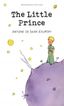
"But I, alas, do not know how to see sheep through the walls of boxes. Perhaps I am a little like the grown-ups. After all, I have grown old"

“It's only after we've lost everything that we're free to do anything.”
“Ancak her şeyimizi kaybettikten sonra her şeyi yapacak kadar özgür oluruz.”

During the first century of Protestant history, the Roman Catholic countries Spain and Portugal dominated the commercial and imperial expansion of European peoples. The great missionary names were Xavier, Las Casas, and Ricci. Only after the English defeat of the Spanish Armada (1588) and the emergence of the British and Dutch as colonial powers did new continents and peoples open to Protestant missionaries.
Kurtuluş SavaşıAlıntı

"After almost a century of border disputes, Turkey defeated Greece in 1922."
Sayfa 27 - "Neredeyse bir asır süren sınır anlaşmazlıklarının ardından Türkiye, 1922'de Yunanistan'ı mağlup etti."·Kitabı okuyor

Reklam
Reklam