
John Locke’un tabula rasa felsefesinin aksine, insan zihni bütünüyle boş bir levha değildir. Tıpkı fiziki olarak genetik bir mirasla doğduğumuz gibi Jung’a göre psişik (ruhsal) bir miras da taşırız. Bu nedenle de zihin tamamen boş değil, deneyimleri belirli kalıplara göre algılamaya yatkın doğar. Arketipler için kabaca, kolektif bilinçdışında yer alan ve doğuştan gelen psişik mirasın evrensel kalıplarıdırlar diyebiliriz. Yani, insanlık tarihi boyunca tekrar eden temel yaşantılar, bu kalıpların oluşmasına zemin hazırlamıştır. Ve bunlar birer metafiziki kalıntılar değil, tarihsel ve evrimsel-psikolojik -ayrıca kolektif- yapısal biçim ilkeleridir.
Yani kısaca Jung, psişeyi ana üç katmanda ele alıyor ve arketipleri de bu katmanlardan biri olan kolektif bilinçdışının yapısal öğeleri olarak görüyor.
Bu Üç Katman:
1- Bilinç: Farkında olduğumuz düşünce ve duygular (görünen kısım).
2- Kişisel Bilinçdışı: Unutulanlar, bastırılanlar, kişisel deneyimler.
3- Kolektif Bilinçdışı: Bireysel değil, tüm insanlarda ortak olan doğuştan gelen psişik miras.
Daha anlaşılır kılmak adına örnek vermek gerekirse, bilinç düzeyinde canlanan bir ifade: “şu anda burada bulunmaktan hoşlanmıyorum” olabilecekken; kişisel bilinçdışında, bu hoşnutsuzluğun nedeni geçmişte yaşanmış ve hatırlanmayan bir aşağılanma deneyimi olabilir. Kolektif bilinçdışı düzeyinde ise bu aşağılanmanın bir baba figürü tarafından yapılması ve “baba figürü”nün aslında evrensel bir otoriteyi temsil etmesi gibi arketipsel bir kalıp devrede olabilir. Yani kişisel yaşantı, evrensel bir kalıp üzerinden anlam kazanabilir.
Jung'ın ruhsal modelinde çokça arketip bulunsa da son olarak, merkezdeki dört arketipe değinerek satırlarımı sonlandırmak istiyorum.
1-) Persona: Topluma sunduğumuz sosyal maske.
2-) Gölge: Kabul etmek

An exceptional man with an extraordinary memory capacityNörobilim

This relatively short book is about an exceptional man with an extraordinary memory capacity. The author introduced him as "a Jewish boy who, having failed as a musician and as a journalist, had become a mnemonist". Whilst the focus of the book is the subject’s "vast memory", what the author eventually depicts is a man whose total personality is truly unique and complex. What emerges is a picture of a strange man with very great expectations but unfulfilled ambitions, whose inexhaustible memory capacity is matched only by his enigmatic nature. Quite fascinating is the author’s forensic and painstaking unraveling of the underlying mechanism behind this man’s phenomenal memory and unusual character (page 4). The book’s comprehensive approach was guided by the author’s precept that ‘the thoughtful physician is never interested merely in the course of a disease he happens to be studying at the moment, but tries to determine what effect a disturbance has on other organic processes…thus giving rise to the total picture of disease (pages 4-5). He exemplified this precept throughout the book, urging others to follow his example and study other psychological syndromes such as this (page 5).
The author, a psychologist and neurologist, studied the protagonist, now known as Solomon Shereshevsky, for almost thirty years, starting in the 1920’s. His approach was methodical, typified by a keen attention to detail, and carried out over a long period of time. What he unearthed was a rare and exceptional man whose memory he described as ‘one of the keenest the literature on the subject has ever described’ (page 3). It didn’t take much testing for the author to realise that "it was impossible to establish a point of limit to the capacity or the duration of his memory" because he had the
Reklam

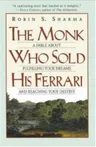
The Monk Who Sold His Ferrari is a story of a lawyer, Julian Mantle, who sold his fortune to study the seven virtues of the Sages of Sivana. Motivational writers are my guilty pleasure, and even though these books are full of clichés like "there are no mistakes in life, only lessons," I think very simple teachings need to be reminded sometimes.
Every symbol represents a virtue in this book. Each of the Seven Virtues encompasses a bunch of habits. For example, here are the habits mentioned for the first virtue, "Master Your Mind".
1. Don't judge the events as "good" or "bad," but learn and experience from them.
2. The heart of the rose: Stare at a rose in a quiet place and just concentrate on the flower for 10-20 minutes.
3. At the end of the day, write what you did today. And take 10 minutes to evaluate how to improve your next day.
4. Opposition thinking—people can easily think negative thoughts, but try the opposite this time. Take every negative thought and turn it into a positive one.
5. Secret of the lake. Envision your dreams becoming a reality. Picture vivid images of what you want to become. Then they will become a reality.
These are just habits of the "first virtue". Each one has several habits to develop. I did not practice any of these habits. They didn't interest me enough to want to implement them, but there was an enjoyment in the reading.
My favorite part of the book is the "Magnificent Garden" symbol: "When you control your thoughts, you control your mind. When you control your mind, you control your life. Mind management is the essence of life management. Stand guard at the gate of your mind garden and do not let toxic thoughts enter." This chapter opened up a new dimension for me, and I wanted to incorporate this into my life.
I disagree with a

Good evening everyone)
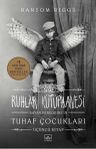
Şöyle ki, Serinin Ruhlar Kütüphanesinide bitirdik....
To summarize yaparsak)
İlk chapter'da Abraham Portman'nın ölümü, Jacob'ın Ornitolog babasıyla Cairnholm'a travel'ı, Tsikılı ( Döngüyü) keşfi , Miss Peregrini, Emma Bloom ve diğerleri , Jacob'ın kendi geçmişi ve geleceği hakkındaki gerçekleri öğrenmesi ve...... konu ediliyor.
İkinci kitapda Pecular çocukların ilişkileri, bioqrafiya'ları , Yeni döngü arayışları, Hortlaklar ve Gölgelerle mücadele , Ymbryne'lerin Caul tarafından kaçırılması ve onların kurtarılma operasyonu masaya yatırılıyor....
Üçüncü Narrativ'de ise Emma ve Jacob'un "Şeytanın Arka Bahçesinde " Ki serüvenleri,
Sharon, Bentham, Addison ve diğerlerinin yardımıyla kaçırılan arkadaşlarını aynı zamanda Ymbryne'lerini kurtarmaya çalışmaları ve karşılaştıkları büyük tehlikelerle nasıl başa çıkmaya çalıştıklarına şahit oluyoruz....
3'cü kitap "C'était incroyable"
Ve tabii ki de her kese iyi okumalar dilerim dostlarım. " Serinin 4'cü Masterpiece'i olan " Günler Haritasında" Görüşürüz.... Au revoir)
Karanlık ve Güzelliğin Dansı-Miura Sanatının DerinliğiAnime/Manga

Cilt 22-42 İncelemesi(Spoiler İçerir)
Cilt 22, Guts’ın maceralarının artık bir düzine kanlı sitcom'a dönüşmeye başladığı yer. Guts, “Benim hayatımda kan yoksa, kahramanlık da yok!”(ee adı Berserk yani ötesi beklenmez) felsefesini benimseyerek, sürekli bir savaşa giriyor, ortalık hep kan revan, bu adam daha iyileşmeden yeni savaşlara bir sonraki gün başlıyor(Neyseki Puck var ). Bu ciltte, Griffith tabiki yine ve yine eşsiz ve donuk bakışlarıyla o, bir nevi antik Yunan mitolojisindeki Prometheus gibi, ateşi insanlara getirmekten çok, kendi egosunu beslemek için gelmiş gibi.
Sonraki ciltlerde, Guts, yalnızlık ve kayıplarla boğuşurken, Puck’ın şirinliği tam bir “gözyaşları arasında bir kahkaha” haline geliyor. Puck, “Sakin ol, Guts! Belki bir çiçek bile bulabilirsin!” derken, Guts’ın gözünden akan kanlar, adeta bir romantik komedinin dramatik sahnesi gibi. Casca’nın durumu ise, Guts’ın kalbinde bir yara açarken, “Ya ben de bir gün öyle sevgi dolu olacağım!” diye düşünmesine sebep oluyor. (Dikkat edin Guts'ın Casca'ya bakışlarına) Burada, Guts’ın içsel çatışmaları, Sokratik bir sorgulama gibi, “Gerçekten kimim?" Şahsen bende artık bu kadar karanlığa yeter, ne çektin be Guts dedim ama mangaka acımamış tabi...
Cilt 36'dan itibaren, Guts’ın yolculuğu, tanrıların ve şeytanların savaşını andıran bir mitolojik dramaya dönüşüyor. Düşmanlarıyla savaşı ve kendi içindeki canavarla yüzleşmesi, tam anlamıyla bir antik Yunan trajedisi gibi. (Mitoloji sevdiğim belli olsun diye örneklerimi burdan aldım hep). Cilt 40’a yaklaşırken, Guts, “Tamam, biraz daha kan dökmeden çıkamayacağım!” derken, tarihsel mitlerden gelen karakterlerle tanışıyoruz. Guts’ın düşmanları, adeta antik mitolojiden fırlamış gibi; bir yanda Medusa, bir yanda Minotaur, Guts’ı “Savaşın gerçek yüzü bu, dostum!” diye

4/5 Stars (%77/100)
I just remembered about this series and decided to re-read and review it. It's been more than 2 years since I last reviewed the previous volume. Because we get 1 chapter each month, I completely forgot about it. The last volume ended with a huge cliffhanger but we all know Boruto won't/can't die right now. This was, overall, a good volume but since it's the conclusion to Code Arc, it was a bit slow. Still, it was nice to learn more about Eida, Daemon and others.

Reklam
Reklam