Tehlikeli şeyleri dekor olarak kullanan Wattpad estetiği.

Puan vermedi
Darkrom kitaplarını incelemeye başladım ve zamanında en popüler olanlardan biriyle başlamak istedim. Her kitaptan da en problematik alıntıyı seçiyorum, bu kitabın en problematik alıntısı da son da yer alacak.----
Kitap, yüzeyde etkili bir mafia romance formülüne sahip: yasak arzu, aile baskısı, güçlü erkek karakter, “iyi kız” imajının çatlaması ve sürekli yükselen cinsel gerilim. Danielle Lori’nin kitabı okunabilir kılan şeyi inkâr etmek haksızlık olur; Nico ve Elena arasındaki bakışmalar, yaklaşmalar, kesilen konuşmalar ve “olmaması gereken” çekim hissi türün istediği bağımlılık etkisini veriyor. Ancak kitabın problemi de tam burada başlıyor: Roman, güçlü olduğu şeyi —cinsel gerilimi— ahlaki ve psikolojik tutarlılığın önüne koyuyor.
Nico Russo, klasik possessive mafia hero olarak yazılmış. Tehlikeli, kontrolcü, kıskanç, dominant ve duygularını şiddetle ifade eden bir erkek. Fakat roman onun karanlığını gerçek bir karakter problemi olarak incelemek yerine çoğu zaman çekicilik unsuru haline getiriyor. Nico’nun Elena üzerindeki sahiplenici dili, tehditleri ve kıyafet/beden üzerinden kurduğu kontrol, metinde yeterince sorgulanmadığı için “romantik yoğunluk” gibi sunuluyor. “Because you were mine” cümlesi bunun en açık örneği. Bu söz, ilk okumada tutkulu bir aşk ilanı gibi durabilir; fakat aslında kadını özne değil, mülk olarak konumlandırır. Nico, Elena’yı koruduğunu değil, ona sahip olduğunu söyler. Aradaki fark, kitabın bütün problematik erkeklik modelini açığa çıkarır.
Elena’nın karakterizasyonu da bu yapıyı güçlendirir. Roman onu “Sweet Abelli” olarak kurar: güzel, uyumlu, nazik, aile içinde doğru cevabı veren, mafia dünyasının iyi kızı. Bu imajın kırılması ilginç bir karakter gelişimi yaratabilirdi. Elena kendi arzularını, öfkesini ve ahlaki sınırlarını

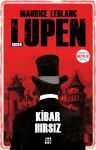
Kendince etik kuralları olan, insanların aklına gelmeyecek yollarla hırsızlık yapan ve aynı zamanda her ortama uygun farklı isimleriyle gizemleri çözerek zorda olanlara yardım eden, yakalanamaz Arsen Lupen. Kitabın ilk bölümünde birden fazla hikaye var, ikinci bölümünde ise tek bir hikaye derinlemesine anlatılıyor. Karakterlerin hepsini tanımak 20 sayfada okuyup geçmekten çok daha keyif vericiydi bence. Hikayenin sonu da beklemediğim bir şekilde romantik bitti, bir sonraki kitapta kaldığı yerden mi devam edecek merak ediyorum.
Yazım dili alengirli olmadığı için biraz tekdüze ve temposu hikayelerin hak ettiği kadar hızlı olmasa da okuması keyifliydi. Bazı yerlerde çok lafı dolandırıyormuş gibi hissettirdiği oldu ama Arsen Lupen'in adeta anti-hero Sherlock Holmes olarak yazılışı çok hoş. İngiltere'nin ünlü dedektifi Herlock Sholmes'u bile zekasıyla alt etti ve hırsızlığını dedektifin gözlerine bakarak yaptı. Akademik bir atışma okuyor gibiydim yalan yok.
Genel olarak güzeldi, gizem ve suç sevenler beğenecektir diye düşünüyorum. İyi okumalar
Reklam

Jonathan Livingston Seagull by Richard Bach may appear to be a simple story about a bird, but it develops into a layered allegory about individuality, freedom, and spiritual growth. Jonathan, unlike the rest of his flock, is not satisfied with living only to eat and survive. He becomes obsessed with flight not as a tool, but as a way of reaching perfection and understanding something greater about existence itself.
This desire isolates him. The flock, representing conformity and societal limitation, rejects him for refusing to follow its narrow rules. His exile symbolizes the cost of individuality: those who question norms are often cast out. Yet this separation is also what allows Jonathan to grow. Freed from the expectations of others, he pushes himself further and eventually reaches a higher level of existence, where he learns that true perfection is not just physical but spiritual.
Flight becomes the central symbol of the story. It represents self-discovery, discipline, and transcendence. The sky stands for infinite possibility, suggesting that limits are not absolute but largely self-imposed. Jonathan’s journey reflects the pursuit of self-actualization, the idea that fulfillment comes from realizing one’s full potential.
At the same time, the story strongly echoes Biblical patterns, especially those associated with Jesus Christ. Jonathan is rejected by his community, ascends to a higher plane of understanding, and returns as a teacher. He gathers followers and teaches them that they, too, can overcome their limitations. Like Christ, he emphasizes growth, belief, and a deeper understanding of existence.
However, Bach reinterprets these ideas in a more philosophical and less doctrinal way. There is no focus on sin or divine judgment. Instead, the central
Sana James Joyce Diyecekler Sakın İnanma Stephen :)) James Joyce Hayatının on sekiz yıllık sürecini
  Sanatçının Bir Genç Adam Olarak Portresi eserini yayınlatmaya ayırmıştır. Yazar ilk bu kitabın ön taslağını ise Stephen Hero adında yazmıştır ancak yayınevlerinden olumsuz cevap alınca bir kaç bölüm sonra bu kitabı yazmaya ara vermiştir…Stephen Hero'nun ilk 518 sayfası kaybolmuş, geriye kalan 383 sayfa olarak yayınlamıştır. Joyce’un ilk romanı olarak kabul edilen ve kendisinin “okullu oğlan işi” diyerek küçümsediği Kahraman Stephen ilk kez Joyce’un ölümünden üç yıl sonra 1944 yılında basılmıştır.
Gelelim eserimize;
Otobiyografik tarzında yazılmış bir eserdir. Otobiyografi ile otobiyografik eser arasında ince bir fark bulunmaktadır.
Otobiyografik eserlerde kurmaca vardır. Otobiyografi eserlerde ise kurmacalık yoktur. Bu eserde ise hayatının sorunlarına dönemin milli, siyasi,dini ve şahsi sorunlarına değinmiştir. Yazarın okul travmaları, akran zorbalığı hepsi bu eserde yer edinmiştir. Yazar eğitimi okulu eleştirdiği kadar yöneticilerinde hatalarına değinmiştir.
Eserin en sevdiğim yanı ise
Sanatçının Bir Genç Adam Olarak Portresi eserini yayınlatmaya ayırmıştır. Yazar ilk bu kitabın ön taslağını ise Stephen Hero adında yazmıştır ancak yayınevlerinden olumsuz cevap alınca bir kaç bölüm sonra bu kitabı yazmaya ara vermiştir…Stephen Hero'nun ilk 518 sayfası kaybolmuş, geriye kalan 383 sayfa olarak yayınlamıştır. Joyce’un ilk romanı olarak kabul edilen ve kendisinin “okullu oğlan işi” diyerek küçümsediği Kahraman Stephen ilk kez Joyce’un ölümünden üç yıl sonra 1944 yılında basılmıştır.
Gelelim eserimize;
Otobiyografik tarzında yazılmış bir eserdir. Otobiyografi ile otobiyografik eser arasında ince bir fark bulunmaktadır.
Otobiyografik eserlerde kurmaca vardır. Otobiyografi eserlerde ise kurmacalık yoktur. Bu eserde ise hayatının sorunlarına dönemin milli, siyasi,dini ve şahsi sorunlarına değinmiştir. Yazarın okul travmaları, akran zorbalığı hepsi bu eserde yer edinmiştir. Yazar eğitimi okulu eleştirdiği kadar yöneticilerinde hatalarına değinmiştir.
Eserin en sevdiğim yanı ise  Ulysses eserinin baş karakteri olan Stephen Dedalus anlatılmaktadır. Yazarın eserleri seçerken bilinçli isimler seçtiği çok aşikardır. Dedalus ne demek ilk merak burada başlatılıyor. Dedalus Yunan mitolojisinde zanaatkar bir figürü temsil etmektedir. Ad ve soyadlar mitolojiye göndermeler olarak seçilmiştir. Joyce üniversite yıllarında üç dil üzerine eğitim alan birisidir. Etimoloji ve mitoloji olarak güçlü kaleme sahiptir. Bunu da eserlerinde görmekteyiz.
Stephen Dedalus ise bize kendi düşüncelerini yansıtmaktadır.
Babası yeteneklidir ama tek sorunu alkole düşkünlüğüdür. Aslında Dedalus ( zanaatkar ) olarak seçmesi babasına atıftır. Babası hakkında yazmış olduğu travmalar eserde bellidir.
“Bay Deadalus kendini küçük bir dünyanın merkezi, herkesin sevgilisi olarak görmeye
Ulysses eserinin baş karakteri olan Stephen Dedalus anlatılmaktadır. Yazarın eserleri seçerken bilinçli isimler seçtiği çok aşikardır. Dedalus ne demek ilk merak burada başlatılıyor. Dedalus Yunan mitolojisinde zanaatkar bir figürü temsil etmektedir. Ad ve soyadlar mitolojiye göndermeler olarak seçilmiştir. Joyce üniversite yıllarında üç dil üzerine eğitim alan birisidir. Etimoloji ve mitoloji olarak güçlü kaleme sahiptir. Bunu da eserlerinde görmekteyiz.
Stephen Dedalus ise bize kendi düşüncelerini yansıtmaktadır.
Babası yeteneklidir ama tek sorunu alkole düşkünlüğüdür. Aslında Dedalus ( zanaatkar ) olarak seçmesi babasına atıftır. Babası hakkında yazmış olduğu travmalar eserde bellidir.
“Bay Deadalus kendini küçük bir dünyanın merkezi, herkesin sevgilisi olarak görmeye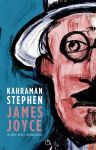
 James Joyce Hayatının on sekiz yıllık sürecini Sanatçının Bir Genç Adam Olarak Portresi eserini yayınlatmaya ayırmıştır. Yazar ilk bu kitabın ön taslağını ise Stephen Hero adında yazmıştır ancak yayınevlerinden olumsuz cevap alınca bir kaç bölüm sonra bu kitabı yazmaya ara vermiştir…Stephen Hero'nun ilk 518 sayfası kaybolmuş, geriye kalan 383 sayfa olarak yayınlamıştır. Joyce’un ilk romanı olarak kabul edilen ve kendisinin “okullu oğlan işi” diyerek küçümsediği Kahraman Stephen ilk kez Joyce’un ölümünden üç yıl sonra 1944 yılında basılmıştır.
Gelelim eserimize;
Otobiyografik tarzında yazılmış bir eserdir. Otobiyografi ile otobiyografik eser arasında ince bir fark bulunmaktadır.
Otobiyografik eserlerde kurmaca vardır. Otobiyografi eserlerde ise kurmacalık yoktur. Bu eserde ise hayatının sorunlarına dönemin milli, siyasi,dini ve şahsi sorunlarına değinmiştir. Yazarın okul travmaları, akran zorbalığı hepsi bu eserde yer edinmiştir. Yazar eğitimi okulu eleştirdiği kadar yöneticilerinde hatalarına değinmiştir.
Eserin en sevdiğim yanı ise Ulysses eserinin baş karakteri olan Stephen Dedalus anlatılmaktadır. Yazarın eserleri seçerken bilinçli isimler seçtiği çok aşikardır. Dedalus ne demek ilk merak burada başlatılıyor. Dedalus Yunan mitolojisinde zanaatkar bir figürü temsil etmektedir. Ad ve soyadlar mitolojiye göndermeler olarak seçilmiştir. Joyce üniversite yıllarında üç dil üzerine eğitim alan birisidir. Etimoloji ve mitoloji olarak güçlü kaleme sahiptir. Bunu da eserlerinde görmekteyiz.
Stephen Dedalus ise bize kendi düşüncelerini yansıtmaktadır.
Babası yeteneklidir ama tek sorunu alkole düşkünlüğüdür. Aslında Dedalus ( zanaatkar ) olarak seçmesi babasına atıftır. Babası hakkında yazmış olduğu travmalar eserde bellidir.
“Bay Deadalus kendini küçük bir dünyanın merkezi, herkesin sevgilisi olarak görmeye
James Joyce Hayatının on sekiz yıllık sürecini Sanatçının Bir Genç Adam Olarak Portresi eserini yayınlatmaya ayırmıştır. Yazar ilk bu kitabın ön taslağını ise Stephen Hero adında yazmıştır ancak yayınevlerinden olumsuz cevap alınca bir kaç bölüm sonra bu kitabı yazmaya ara vermiştir…Stephen Hero'nun ilk 518 sayfası kaybolmuş, geriye kalan 383 sayfa olarak yayınlamıştır. Joyce’un ilk romanı olarak kabul edilen ve kendisinin “okullu oğlan işi” diyerek küçümsediği Kahraman Stephen ilk kez Joyce’un ölümünden üç yıl sonra 1944 yılında basılmıştır.
Gelelim eserimize;
Otobiyografik tarzında yazılmış bir eserdir. Otobiyografi ile otobiyografik eser arasında ince bir fark bulunmaktadır.
Otobiyografik eserlerde kurmaca vardır. Otobiyografi eserlerde ise kurmacalık yoktur. Bu eserde ise hayatının sorunlarına dönemin milli, siyasi,dini ve şahsi sorunlarına değinmiştir. Yazarın okul travmaları, akran zorbalığı hepsi bu eserde yer edinmiştir. Yazar eğitimi okulu eleştirdiği kadar yöneticilerinde hatalarına değinmiştir.
Eserin en sevdiğim yanı ise Ulysses eserinin baş karakteri olan Stephen Dedalus anlatılmaktadır. Yazarın eserleri seçerken bilinçli isimler seçtiği çok aşikardır. Dedalus ne demek ilk merak burada başlatılıyor. Dedalus Yunan mitolojisinde zanaatkar bir figürü temsil etmektedir. Ad ve soyadlar mitolojiye göndermeler olarak seçilmiştir. Joyce üniversite yıllarında üç dil üzerine eğitim alan birisidir. Etimoloji ve mitoloji olarak güçlü kaleme sahiptir. Bunu da eserlerinde görmekteyiz.
Stephen Dedalus ise bize kendi düşüncelerini yansıtmaktadır.
Babası yeteneklidir ama tek sorunu alkole düşkünlüğüdür. Aslında Dedalus ( zanaatkar ) olarak seçmesi babasına atıftır. Babası hakkında yazmış olduğu travmalar eserde bellidir.
“Bay Deadalus kendini küçük bir dünyanın merkezi, herkesin sevgilisi olarak görmeye
Thomas Carlyle, Kahramanlar (Heroes and Hero-Worship) kitabında Hz. Muhammed'i (sav) "peygamber-kahraman" başlığı altında hakiki bir kahraman, samimi bir lider ve tarihi değiştiren büyük bir şahsiyet olarak tanımlar. Carlyle, Hz. Muhammed'i efsanevi veya sahte bir figür olarak değil, ahlaki gücü ve tutarlılığıyla hayranlık duyulan, ilahi bir mesajın taşıyıcısı olarak yüceltir.
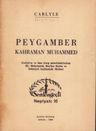

Otogarda otobüs beklerken otogarın kütüphanesinde bulup okudugum kitap
...
Derin anlamlari var ve insani derinden etkiliyor. Bir Çanakkale'li olarak mitoloji bilgimi de genişletti bu aşk hikayesi.
Reklam
Reklam