Kontrol İkilemi-Olumsuz GörselleştirmePsikoloji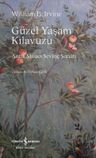

Puan vermedi·284 syf.·
2026 2266. kitabı
William B. Irvine tarafından kaleme alınan "Güzel Yaşam Kılavuzu" (A Guide to the Good Life: The Ancient Art of Stoic Joy), antik felsefe okulu Stoacılığı modern insanın gündelik sorunlarına uyarlayan, pratik ve hayat değiştiren bir başucu kitabıdır.
Irvine; kaygıdan arınmış, olumsuzluklara karşı bağışıklık kazanmış ve elindekilerin değerini bilen bir "güzel yaşam" inşa etmenin yol haritasını sunar.

 Elie Faure’un sanat tarihini ele aldığı büyük serinin ilk bölümlerinden biridir. Yazar sadece eserlerin tarihi değil, insanlığın zihinsel ve ruhsal gelişiminin tarihidir.
Güçlü Yönler
Sanatı yalnızca teknik değil, medeniyetlerin ruhunu yansıtan bir unsur olarak ele alması çok etkileyici.
Mimari, heykel, din ve toplum arasında bağlantılar kuruyor.
Akademik olmaktan çok şiirsel ve düşünsel bir dili var.
Antik sanatın tarihsel sürekliliğini hissettiriyor.
Zayıf Yönler
Modern sanat tarihi metodolojisine göre bazı yorumlar eski kalabiliyor.
Yer yer sanat tarihinden çok felsefi deneme okuyormuş hissi verebilir.
Kronolojik ve teknik bilgi arayan okurlar için dağınık görünebilir.
Döneminin etkisiyle bazı uygarlıkları romantize ederken bazılarını yüzeysel geçebiliyor.
Kimler Okumalı?
Sanat tarihi öğrencileri
Sanatın felsefi yönüne ilgi duyanlar
Medeniyet–sanat ilişkisini okumayı sevenler
Teknik değil düşünsel sanat tarihi arayan okurlar
Elie Faure’un sanat tarihini ele aldığı büyük serinin ilk bölümlerinden biridir. Yazar sadece eserlerin tarihi değil, insanlığın zihinsel ve ruhsal gelişiminin tarihidir.
Güçlü Yönler
Sanatı yalnızca teknik değil, medeniyetlerin ruhunu yansıtan bir unsur olarak ele alması çok etkileyici.
Mimari, heykel, din ve toplum arasında bağlantılar kuruyor.
Akademik olmaktan çok şiirsel ve düşünsel bir dili var.
Antik sanatın tarihsel sürekliliğini hissettiriyor.
Zayıf Yönler
Modern sanat tarihi metodolojisine göre bazı yorumlar eski kalabiliyor.
Yer yer sanat tarihinden çok felsefi deneme okuyormuş hissi verebilir.
Kronolojik ve teknik bilgi arayan okurlar için dağınık görünebilir.
Döneminin etkisiyle bazı uygarlıkları romantize ederken bazılarını yüzeysel geçebiliyor.
Kimler Okumalı?
Sanat tarihi öğrencileri
Sanatın felsefi yönüne ilgi duyanlar
Medeniyet–sanat ilişkisini okumayı sevenler
Teknik değil düşünsel sanat tarihi arayan okurlar

“Kötü bir anıyı unutmanın en iyi yolu güzel bir tanesiyle değişmektir.”


In Ward No. 6, Anton Chekhov constructs a quiet but devastating meditation on suffering, indifference, and the fragile boundary between sanity and madness. Set in a decaying provincial hospital, the story revolves around Dr. Andrey Yefimych Ragin, a man who has retreated into intellectual detachment as a way of coping with the bleakness of life. The hospital itself, neglected and almost forgotten, becomes more than a setting; it functions as a symbol of a broader social and moral decay, where suffering is not only present but systematically ignored.
At the center of the narrative lies a philosophical tension that gradually unfolds through the doctor’s encounters with the patient Ivan Dmitrich Gromov. Ragin subscribes, at least superficially, to a version of Stoicism. Stoicism, originating in ancient Greek philosophy, teaches that individuals should cultivate inner peace by accepting what they cannot control and by remaining indifferent to external pain or pleasure. In its original form, it is a disciplined ethical system aimed at resilience and moral clarity. However, Ragin’s interpretation is hollowed out. What he practices is not active moral strength but passive withdrawal. He convinces himself that suffering is insignificant, that pain is merely a matter of perception, and therefore not worth resisting. This belief allows him to justify his inaction in the face of the hospital’s inhumane conditions.
Gromov, by contrast, embodies a radically different philosophical stance, one that could be described as an existential sensitivity to injustice. He is deeply affected by the possibility of suffering, oppression, and arbitrariness in human life. His anxiety and paranoia are not presented merely as symptoms of illness but as exaggerated responses to real conditions of


7/10
"oh, this one's yours. i think i got 'em mixed up, buddy. here. you want this one? or are you afraid of cooties?"
waow. the story just flowed so well. i have been always fond of this kind of creepy ancient murderous stories and mystical rituals and as the story resolved itself, it was really fun to read. the plot twist got me. the last scenes were incredibly enjoyable to picture in my head. i read this because hudson williams will have a role in this play's series adaptation, and because i will surely watch it, i wanted to read the play first. now i'm looking forward to see the show, actually.


I had already read the classical play Electra by Sophocles, but as many readers know, the ancient drama is quite brief and focused on a single climax. I felt a need to see this tragic myth fleshed out with more detail and emotional depth. Jennifer Saint’s novel provided exactly that by offering a multi-layered narrative told through three distinct female perspectives: Clytemnestra, Cassandra, and Electra.
While the book felt a bit long at times, the shifting POVs (Points of View) added a necessary richness to the story. I wouldn't say I had a favorite character—each woman is flawed and driven by her own "inscrutable" grief—but exploring the different aspects of their trauma was a rewarding experience.
In the original play, the focus is often on the vengeance, but here, the focus is on the price of being a woman in a world ruled by men and gods. For someone who loves Classical Antiquity, seeing these silent figures finally speak their truth made the long read worthwhile.
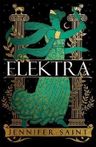

Kapağını gördüğüm andan beri merak ediyordum bu kitabı. Baya büyülü ve mistik bir havası var gibi geliyordu. Tam olarak da öyleydi. Slav mitolojisinden ögelerden olduğu için merakla okudum açıkçası. İlk bölümden beri nedense bana izlediğim bir animeyi anımsattı Mahou Tsukai no Yome (The Ancient Magus' Bride) onda da kitaba benzer master x apprentice havası olduğu için mi ortam benziyor diye mi bilemem ama kafamda sürekli bu ikisini kıyasladım durdum. Kitabın ortalarına doğru biraz sıkıldım yalan olmasın hatta biraz atlayarak okumuş olabilirim bazı yerleri ama sonunda çok güzel bir şekilde telafi etti. Asla ama asla böyle bitmesini belemiyordum bence çok da güzel oldu sonuçta her hikayenin mutlu sonla bitmesi mümkün değil o açıdan baya etkileyiciydi bence.
