
Mesela İhlâs sûresinde Allah olan zat-ı eceli ve âlânın birliği, samediyyeti (ihtiyaçsızlığı), vâlid (baba) ve mevlûd (evlat) olmakdan münezzeh oluşu ve hiçbir ferdin kendisine benzer, denk olmadığı beyan buyrulmaktadır. Öyleyse Allah, bu nitelikleri taşıyan zat demektir. Bu
niteliklere sahip olmayanlar ise eksik olacaklarından Allah olamazlar.
Bu bir ittihad (birlik) prensibidir. Selim bir akıl ise bu prensibi kabul etmeye mecburdur; bu kabul edildi mi artık herhangi bir yaratılmışa "Allah" demek çelişkidir.
Dolayısıyla aslında bir insan olan, bu yönüyle bir anneden doğan, başka insanlara benzeyen Hz. İsa'ya Allah demek bir çelişkidir. İşte bu çelişkiyi belirtmek için de,
(72) لَقَدْ كَفَرَ الَّذ۪ينَ قَالُٓوا اِنَّ اللّٰهَ هُوَ الْمَس۪يحُ ابْنُ مَرْيَمَۜ وَقَالَ الْمَس۪يحُ يَا بَن۪ٓي اِسْرَٓائ۪لَ اعْبُدُوا اللّٰهَ رَبّ۪ي وَرَبَّكُمْۜ اِنَّهُ مَنْ يُشْرِكْ بِاللّٰهِ فَقَدْ حَرَّمَ اللّٰهُ عَلَيْهِ الْجَنَّةَ وَمَأْوٰيهُ النَّارُۜ وَمَا لِلظَّالِم۪ينَ مِنْ اَنْصَارٍ
Ant olsun Meyem Oğlu Mesih'e, "O Allah'tır." diyenler Kafir oldular. Oysaki Mesih: "Ey İsrailoğulları! Benim de sizin de Rabb'iniz olan Allah'a kulluk edin. Kim Allah'a şirk koşarsa, Allah ona Cennet'i haram etmiştir. Ve onun varacağı yer ateştir. Zalimler için hiçbir yardımcı yoktur." dedi. (maide/72) âyet-i celilesi nazil olmuştur.
Bu böyle iken hıristiyanlar, hem, "Allah birdir" derler hem de "Baba, Oğul, Kutsal Ruh" adıyla üç Allah'ın varlığına hükmederler. Ve bunların birer bağımsız Allah olduğunu ileri sürerler. Sonra da, "Bu üçü, üç Allah değil, bir Allah'tır" iddiasında bulunurlar. Şimdi bu pek
büyük bir çelişki değil midir?
Kur'ân-ı Kerîm, bu mantıksızlığı da
(73) لَقَدْ كَفَرَ الَّذ۪ينَ قَالُٓوا اِنَّ اللّٰهَ ثَالِثُ ثَلٰثَةٍۢ وَمَا مِنْ اِلٰهٍ اِلَّٓا اِلٰهٌ وَاحِدٌۜ وَاِنْ لَمْ يَنْتَهُوا


Here it may be useful to note that the recent discussion about
universalism has blended three questions: the distinction between descriptive and analytic statements (both of which can simultaneously be true); the validity of statements reflecting competing interests (all of which may be equally valid and equally
self-interested); and critical rationality as the basis of scholarly
communication.


Bu yaz yanınızdan ayırmak istemeyeceğiniz kitapları sizin için bir araya getirdik.
💬 Siz olsanız bu listeden hangisiyle başlardınız?
NİÇİN BAZI İNSANLARIN KALBİ TAŞTANDIR ?

Mezîd-i kadr-i vâlid terbiyet-pîrâ püserdendir
Nihâlin i‘tibârı verdiği zîbâ semerdendir
Galat etdim galat bir âdemin kesb-i kemâlâtı
Değil sa‘y-i pederden belki îcâb-ı kaderdendir
O ferzendin ki yokdur vâlidi tahsîline tahsîn
Ki ekser âdemin tahsîli teşvîk-i pederdendir
Beşerken eylemez hem-cinsine bir zerrece şefkat
Niçün gûyâ ki ba‘zı âdemin kalbi hacerdendir
‘İlâcı hayli müşkildir hemân imdâd ede Allâh
Değil pâdan bu mülkün zahm-ı dehşetnâki serdendir
Çalış bu leyl-i gamda fecr-i âtî nûr eder peydâ
Tulû‘u âfitâb-ı enverin feyz-i seherdendir
Melâmet etmeyin Allâh içün yok sabr ü ârâmı
Emîrî’nin bu hûnîn göz yaşı zahm-ı ciğerdendir


I’ve since mastered the art of fighting. Step one, apologize sincerely and as quickly as possible; step two, verbalize exactly what I’ve done wrong; and step three, assure the other party that their feelings are understood and valid. It took a year of living with somebody before I learnt these basic steps. In Korean, the phrase ‘cutting water with a knife’ is used to describe the brevity and impermanence of marital fights. I suppose the same words can be used for squabbles between friends.


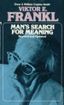
I consider it a dangerous misconception of mental hygiene to assume that what man needs in the first place is equilibrium or, as it is called in biology, “homeostasis,” i.e., a tensionless state. What man actually needs is not a tensionless state but rather the striving and struggling for a worthwhile goal, a freely chosen task. What he needs is not the discharge of tension at any cost but the call of a potential meaning waiting to be fulfilled by him. What man needs is not homeostasis but what I call “noö- dynamics,” i.e., the existential dynamics in a polar field of tension where one pole is represented by a meaning that is to be fulfilled and the other pole by the man who has to fulfill it. And one should not think that this holds true only for normal conditions; in neurotic individuals, it is even more valid. If architects want to strengthen a decrepit arch, they increase the load which is laid upon it, for thereby the parts are joined more firmly together.
Giving up when something is too hard is a valid option, too. Though it takes a lot of effort for a living being to voluntarily give something up.
