Edebiyatın "Everest"i.Edebiyat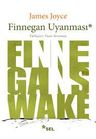

Edebiyat tarihindeki en cüretkar, en karmaşık ve belki de en "okunamaz" kabul edilen başyapıtlardan birini daha bitirmiş olmanın mutluluğu...
Bu eseri geleneksel bir roman gibi incelemek neredeyse imkansız; zira Joyce, bu metinde dilin, anlatının ve bilincin sınırlarını tamamen dinamitleyerek okurla arasına özel bir duvar örmüş; anladığın sana kalsın, zira istesende kitabı doğru tanımlayacak tasvirleri bulamayacaksın diyor. Bunu dedirtebilmek içinse hayatının 17 senesini bu kitaba ayırıyor.
O halde bir inceleme denemesi yazmaya çalışalım.
Joyce, Ulysses ile roman sanatının sınırlarını gündüz ve bilinç düzeyinde zorladıysa, Finnegan Uyanması ile bu sınırı gecenin ve bilinçdışının kaotik dünyasına taşımıştır. 1939'da yayımlanan bu eser, Joyce'un son ve en radikal denemesi olmuştur.
Kitabı eline alan okurun karşılaştığı ilk ve en büyük şok, dilin kendisidir. Finnegan Uyanması, "Wakese" olarak adlandırılabilecek, Joyce'un icat ettiği bir dilde yazılmış. Bu dil, 60'tan fazla farklı dilden kelimelerin, fonetik oyunların, çok katmanlı kelime şakalarının (puns) ve "portmanteau" (iki veya daha fazla kelimenin birleşimiyle oluşan yeni kelime) tekniğinin bir araya geldiği bir dilbilimsel dehlizdir (Wake kelimesi İngilizce de uyanmak anlamına geliyor, Joyce ise Wakese ile okuru Uyutmak anlamında ters psikoloji bir kelime kullanmış gibime geldi :)
Birçok edebiyat eleştirmenine göre bu kitap bir roman değil, bir rüyadır. Eserin temel varsayımı da budur zaten. Geleneksel bir olay örgüsü, net karakterler veya lineer bir zaman akışı beklememelisiniz. Kitap, Dublinli bir meyhane sahibi olan Humphrey Chimpden Earwicker'ın (veya HCE) rüyasını (veya belki de tüm insanlığın kolektif rüyasını) anlatıyor, ama ne anlatmak...
Biraz daha Joyce'un inine girelim.
Finnegan Uyanması'nın en ünlü

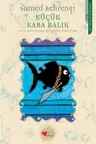
Summary of "The Little Black Fish" by Samad Behrangi
"The Little Black Fish" is a renowned Persian children's story by Samad Behrangi. The tale revolves around a small fish who yearns to explore the world beyond her small stream. Despite warnings from her mother and other fish, who consider her curiosity foolish and dangerous, the Little Black Fish sets out on a journey of discovery.
Throughout her adventure, she encounters various creatures, including a frog, a lizard, and a pelican, each offering different perspectives on life. She learns valuable lessons about courage, wisdom, and the importance of questioning the status quo. Eventually, she reaches the vast ocean, fulfilling her dream of exploration.
The story ends ambiguously, with the Little Black Fish's fate left uncertain after an encounter with a menacing heron. However, her legacy lives on, as other young fish are inspired by her story to pursue their own journeys of discovery.
Literary Review of "The Little Black Fish"
Samad Behrangi's "The Little Black Fish" is a powerful allegory that transcends its classification as a children's book. Written in 1968, the story reflects Behrangi's social and political views, particularly his advocacy for education and freedom of thought in a repressive society.
Themes and Symbolism
At its core, "The Little Black Fish" is a tale about the quest for knowledge and the courage to defy convention. The protagonist's journey symbolizes the human desire for freedom and self-discovery. Her determination to explore beyond her known world serves as a metaphor for intellectual and social liberation.
The various characters the Little Black Fish meets represent different ideologies and societal norms. For instance, the fish in the stream who dismiss her dreams symbolize those

Her çiçeğin bir mevsimi, her kitabın bir zamanı vardır. Haziranın tadını yeni hikâyelerle çıkarın.
THE ROLE OF SCIENCE AND TECHNOLOGY IN FRANKENSTEINEdebiyat

Mary Shelley, who wrote Frankenstein, was the daughter of Mary Wollstonecraft, a famous women's rights activist, and William Godwin, a philosopher and political writer. The author wrote the book in 1818 when she was twenty-one years old. The book is still relevant, still being read and remade into films. Mary Shelley's Frankenstein is a classic novel that can be classified as both Romantic and Gothic. The Romantic movement in English literature began in the late 1700s, and during this period writers generally focused on the power of nature and the importance of the individual. They moved away from technology and city life. The book Frankenstein reflects all this. It also has some of the characteristics of science fiction. Science and technology are important elements in the book.
Mary Shelley had no formal education, she was educated at home. Her father educated her along with other children. Nevertheless, it is a great achievement that she was able to write such a good book at such a young age. Mary Shelley's father had a large library and the poet grew up reading English literature. The poet's intelligence was praised by her father and others from an early age. Mary Shelley met Percy Shelley, a fan of her father's, when she was fifteen. Percy Shelley was twenty years old at the time and had already married. A forbidden love affair began and they had to run away because Mary Shelley's father did not approve of it. They settled in Geneva, Switzerland. Mary Shelley and her husband joined a literary club. The members were famous writers and thinkers. They decided to compete to see who could write the best horror story. Under the influence of a nightmare she had seen, Mary Shelley wrote Frankenstein as part of this competition. When Frankenstein was first published, Mary

Puan vermedi·334 syf.··
Beğendi
·2023 59. kitabı
·26 günde okudu
·Okunma: 16 Haziran 2023 01:43
"  Flow ", onlarca yıldır mutluluğun ve yaratıcılığın doğasını inceleyen bir psikolog ve araştırmacı olan
 Mihaly Csikszentmihalyi tarafından yazılmış kurgusal olmayan bir kitaptır. Kitap ilk olarak 1990 yılında yayınlandı ve o zamandan beri pozitif psikoloji alanında bir klasik haline geldi.
Kitabın temel kavramı, Mihaly Csikszentmihalyi 'nin bir faaliyete tam bir emilim ve katılım durumu olarak tanımladığı "akış" fikridir. İnsanlar bir akış halindeyken, yaptıklarına tamamen dalmış hissederler, zamanın izini kaybederler ve enerjik bir odaklanma ve keyif duygusu yaşarlar.
Mihaly Csikszentmihalyi , akışa ulaşmanın yaşamdaki mutluluk ve tatmin için gerekli olduğunu ve bu durumu kasıtlı uygulama ve odaklanma yoluyla geliştirmenin mümkün olduğunu savunuyor. Net hedefler, anında geri bildirim, meydan okuma ve beceri dengesi ve eldeki görev üzerinde kontrol duygusu dahil olmak üzere akışa katkıda bulunan çeşitli faktörleri tartışıyor.
İşteMihaly Csikszentmihalyi'nin "Flow ından" 05 önemli ders:
1. Akış, bir faaliyete tam bir emilim ve katılım halidir ve yaşamda mutluluk ve tatmin için gereklidir. Akışa ulaşmak için, bizi rahatlık alanımızın dışına itecek kadar zorlayan aktiviteler bulmalıyız, ancak bunalmış olacak kadar değil.
2. Net hedefler ve anında geri bildirim, akışa ulaşmanın anahtarıdır. Neyi başarmaya çalıştığımıza dair net bir anlayışa sahip olduğumuzda ve ilerlememiz hakkında geri bildirim aldığımızda, elimizdeki göreve daha iyi odaklanmış ve meşgul kalabiliriz.
3. Akış, iş, boş zaman ve yaratıcılık dahil olmak üzere yaşamın birçok farklı alanında sağlanabilir. Bizi bir akış durumuna getiren aktiviteler bularak, hayatımızın her alanında daha fazla keyif ve tatmin yaşayabiliriz.
4. Akışı geliştirmek, kasıtlı uygulama ve odaklanma gerektirir. Bize meydan okuyan faaliyetler aramak, net hedefler belirlemek ve şu anda tam
Mihaly Csikszentmihalyi tarafından yazılmış kurgusal olmayan bir kitaptır. Kitap ilk olarak 1990 yılında yayınlandı ve o zamandan beri pozitif psikoloji alanında bir klasik haline geldi.
Kitabın temel kavramı, Mihaly Csikszentmihalyi 'nin bir faaliyete tam bir emilim ve katılım durumu olarak tanımladığı "akış" fikridir. İnsanlar bir akış halindeyken, yaptıklarına tamamen dalmış hissederler, zamanın izini kaybederler ve enerjik bir odaklanma ve keyif duygusu yaşarlar.
Mihaly Csikszentmihalyi , akışa ulaşmanın yaşamdaki mutluluk ve tatmin için gerekli olduğunu ve bu durumu kasıtlı uygulama ve odaklanma yoluyla geliştirmenin mümkün olduğunu savunuyor. Net hedefler, anında geri bildirim, meydan okuma ve beceri dengesi ve eldeki görev üzerinde kontrol duygusu dahil olmak üzere akışa katkıda bulunan çeşitli faktörleri tartışıyor.
İşteMihaly Csikszentmihalyi'nin "Flow ından" 05 önemli ders:
1. Akış, bir faaliyete tam bir emilim ve katılım halidir ve yaşamda mutluluk ve tatmin için gereklidir. Akışa ulaşmak için, bizi rahatlık alanımızın dışına itecek kadar zorlayan aktiviteler bulmalıyız, ancak bunalmış olacak kadar değil.
2. Net hedefler ve anında geri bildirim, akışa ulaşmanın anahtarıdır. Neyi başarmaya çalıştığımıza dair net bir anlayışa sahip olduğumuzda ve ilerlememiz hakkında geri bildirim aldığımızda, elimizdeki göreve daha iyi odaklanmış ve meşgul kalabiliriz.
3. Akış, iş, boş zaman ve yaratıcılık dahil olmak üzere yaşamın birçok farklı alanında sağlanabilir. Bizi bir akış durumuna getiren aktiviteler bularak, hayatımızın her alanında daha fazla keyif ve tatmin yaşayabiliriz.
4. Akışı geliştirmek, kasıtlı uygulama ve odaklanma gerektirir. Bize meydan okuyan faaliyetler aramak, net hedefler belirlemek ve şu anda tam
Flow ", onlarca yıldır mutluluğun ve yaratıcılığın doğasını inceleyen bir psikolog ve araştırmacı olanMihaly Csikszentmihalyi tarafından yazılmış kurgusal olmayan bir kitaptır. Kitap ilk olarak 1990 yılında yayınlandı ve o zamandan beri pozitif psikoloji alanında bir klasik haline geldi.
Kitabın temel kavramı, Mihaly Csikszentmihalyi 'nin bir faaliyete tam bir emilim ve katılım durumu olarak tanımladığı "akış" fikridir. İnsanlar bir akış halindeyken, yaptıklarına tamamen dalmış hissederler, zamanın izini kaybederler ve enerjik bir odaklanma ve keyif duygusu yaşarlar.
Mihaly Csikszentmihalyi , akışa ulaşmanın yaşamdaki mutluluk ve tatmin için gerekli olduğunu ve bu durumu kasıtlı uygulama ve odaklanma yoluyla geliştirmenin mümkün olduğunu savunuyor. Net hedefler, anında geri bildirim, meydan okuma ve beceri dengesi ve eldeki görev üzerinde kontrol duygusu dahil olmak üzere akışa katkıda bulunan çeşitli faktörleri tartışıyor.
İşteMihaly Csikszentmihalyi'nin "Flow ından" 05 önemli ders:
1. Akış, bir faaliyete tam bir emilim ve katılım halidir ve yaşamda mutluluk ve tatmin için gereklidir. Akışa ulaşmak için, bizi rahatlık alanımızın dışına itecek kadar zorlayan aktiviteler bulmalıyız, ancak bunalmış olacak kadar değil.
2. Net hedefler ve anında geri bildirim, akışa ulaşmanın anahtarıdır. Neyi başarmaya çalıştığımıza dair net bir anlayışa sahip olduğumuzda ve ilerlememiz hakkında geri bildirim aldığımızda, elimizdeki göreve daha iyi odaklanmış ve meşgul kalabiliriz.
3. Akış, iş, boş zaman ve yaratıcılık dahil olmak üzere yaşamın birçok farklı alanında sağlanabilir. Bizi bir akış durumuna getiren aktiviteler bularak, hayatımızın her alanında daha fazla keyif ve tatmin yaşayabiliriz.
4. Akışı geliştirmek, kasıtlı uygulama ve odaklanma gerektirir. Bize meydan okuyan faaliyetler aramak, net hedefler belirlemek ve şu anda tam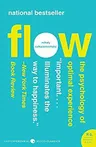
Crime Monastery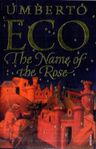

Puan vermedi
"The Name of the Rose” which is a post-modern work was written by Umberto Eco in 1980. It is a historical murder mystery. Umberto Eco is a medieval expert. The author deals with the Middle Ages in a fictional structure, while at the same time providing real information about the state - church-sects, along with his deep historical research. I will write some of my impressions about the work in a few paragraphs and in some parts I will make comparisons with today.
First of all, when a reader decides to read a book, rather than the content of the work, the title and cover of the work influence the reader, and then, the reader establish a connection between the name of the work and the content of the work. So, why is the title of the work called "The Name of the Rose"? Yes, the first thing the reader will think about after finishing the work will be why “The Name of the Rose”. Originally the name of the book was “Crime Monastery” but the author changed it to “Adso of Melk” because he did not want to direct the reader. But then, the writer started using the “rose” because of a line he had read somewhere. Umberto Eco said for the rose, the rose is such a symbol that it has so much meaning and also has no meaning. Therefore, the author put this name to book for the attention of the reader. In Greek mythology, the story of the rose is as follows; Aphrodite gives Eros a Rose, and Eros gives it to the Goddess of silence. His goal is to keep the depravity of all women hidden, even his mother. Thus, we realized that Umberto Eco was also inspired by mythology because we are witnessing many hidden events while reading the book.
My one impression is that information is stored and so difficult to access. The monastery has the largest library in the world, but no one is allowed

First Principles is Herbert Spencer's huge prospectus to the rest of his work, the synthetic philosophy. Spencer divides truth into the Unknowable and Knowable. Whether god(s) exists or not, whether the universe is eternal or was created is unknowable. We can't conceive of self-creation, eternity, or nothingness. This makes the positions of theism/deism, atheism and pantheism up to dispute. The ultimate nature of physical reality, or materialism versus idealism, is also unknowable, as we can't conceive of space and time or matter in themselves even though we depend on them. So Spencer's basically an agnostic. We should be open minded and not conflate our beliefs with the truth. What we can know, and this is philosophy, is systematic or general knowledge of phenomena. All we can know are the effects of the ultimate force(s) behind the universe.
Force is the starting point as whatever we know is what impinges on our perception. We give primacy to our ideas of space time matter and energy to this force, though these are meaningful as mental relations and not things in themselves. The truths of philosophy are to be found in the most general scientific truths. The rest of the work focuses on the processes of evolution and dissolution which govern matter. Evolution is a concentration of matter and decrease in motion, dissolution is a decomposition of matter and increase in motion (death). Spencer sees evolution in the formation of planets from stardust and the development from a single cell to the diversity of life, macrocosm and microcosm. Through both evolution and dissolution, Spencer derives the Law of Progress of the universe from a state of homogeneity to a state of heterogeneity, simplicity to complexity. The same cause has multiple effects as forces do not act