Türkçe / English Reviewİnceleme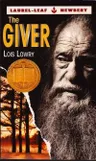

Kitabın diğer incelemelerini incelerken çoğu okurun eserden "Çocuk kitabı" diye bahsettiğini gördüm ve  Çizgili Pijamalı Çocuk ile benzer bir karışıklılığa girdiğini fark ettim. Maalesef günümüzde eserlerin baş kahramanları çocuk olunca hemen çocuk kitabı etiketi yapıştırılıyor içeriği göz önünde bulundurulmadan. Çizgili Pijamalı Çocuk 'da olduğu gibi travmatik sahneler olmasa dahi, bir çocuğun belki anlamakta güçlük çekeceği alttan mesajlar ve metaforlar içeren bu eser şahsen her yetişkinin okumasını tavsiye ettiğim bir kitap.
Ben eseri orijinal dili olan İngilizceden okudum ve iyi ki kendi dilinde okumuşum diyorum. Çünkü yukarıda bahsettiğim metaforlar ve alttan mesajlar kendi dilinde anlaşılması daha kolay. Yayıncılığın yanlış veya eksik çevirmesinden kaynaklı bazı eksik anlaşılmalara yol açabilir. Lakin bu kitabı diliniz yoksa okumayın demek değil.
Eserin içeriğine gelirsek neden bu kadar ısrarla okunması gerektiğini açıklayayım. Günümüzde teknolojinin de hayatımıza girmesiyle insanoğlu elinde olanı ve sahip olduğu nimetleri bazen görmeyebiliyor ve bunun üstüne teknoloji ve sosyal medyayla kendine yeni dertler ediniyor, kendinde yeni eksiklikler buluyor. Kitap bize aslında elimizde olan özgürlüklerin ve doğamızda bulunan duyularımızı en önemlisi anıların, hatırların ve duyguların insanda ne kadar önemli bir yer kapladığını bize göstermekte.
Kitabın ana karakteri Jonas adında on iki yaşında bir çocuk. Jonas'ın yaşadığı topluluğun adı orijinal eserde "Sameness" (Aynılık, benzerlik) olarak geçiyor. Bu toplulukta insanların hiçbiri renkleri göremiyor, müzik gibi harmonik sesler yaşadıkları ortamda yok ve kimse müziğin kelime anlamından bile haberdar değil. Hava durumu her zaman açık ve "Güneşli" fakat bulundukları bölgede Güneş diye bir yıldız yok! Yaşayan insanlara zararlı olabileceğinden dolayı
Çizgili Pijamalı Çocuk ile benzer bir karışıklılığa girdiğini fark ettim. Maalesef günümüzde eserlerin baş kahramanları çocuk olunca hemen çocuk kitabı etiketi yapıştırılıyor içeriği göz önünde bulundurulmadan. Çizgili Pijamalı Çocuk 'da olduğu gibi travmatik sahneler olmasa dahi, bir çocuğun belki anlamakta güçlük çekeceği alttan mesajlar ve metaforlar içeren bu eser şahsen her yetişkinin okumasını tavsiye ettiğim bir kitap.
Ben eseri orijinal dili olan İngilizceden okudum ve iyi ki kendi dilinde okumuşum diyorum. Çünkü yukarıda bahsettiğim metaforlar ve alttan mesajlar kendi dilinde anlaşılması daha kolay. Yayıncılığın yanlış veya eksik çevirmesinden kaynaklı bazı eksik anlaşılmalara yol açabilir. Lakin bu kitabı diliniz yoksa okumayın demek değil.
Eserin içeriğine gelirsek neden bu kadar ısrarla okunması gerektiğini açıklayayım. Günümüzde teknolojinin de hayatımıza girmesiyle insanoğlu elinde olanı ve sahip olduğu nimetleri bazen görmeyebiliyor ve bunun üstüne teknoloji ve sosyal medyayla kendine yeni dertler ediniyor, kendinde yeni eksiklikler buluyor. Kitap bize aslında elimizde olan özgürlüklerin ve doğamızda bulunan duyularımızı en önemlisi anıların, hatırların ve duyguların insanda ne kadar önemli bir yer kapladığını bize göstermekte.
Kitabın ana karakteri Jonas adında on iki yaşında bir çocuk. Jonas'ın yaşadığı topluluğun adı orijinal eserde "Sameness" (Aynılık, benzerlik) olarak geçiyor. Bu toplulukta insanların hiçbiri renkleri göremiyor, müzik gibi harmonik sesler yaşadıkları ortamda yok ve kimse müziğin kelime anlamından bile haberdar değil. Hava durumu her zaman açık ve "Güneşli" fakat bulundukları bölgede Güneş diye bir yıldız yok! Yaşayan insanlara zararlı olabileceğinden dolayı
Çizgili Pijamalı Çocuk ile benzer bir karışıklılığa girdiğini fark ettim. Maalesef günümüzde eserlerin baş kahramanları çocuk olunca hemen çocuk kitabı etiketi yapıştırılıyor içeriği göz önünde bulundurulmadan. Çizgili Pijamalı Çocuk 'da olduğu gibi travmatik sahneler olmasa dahi, bir çocuğun belki anlamakta güçlük çekeceği alttan mesajlar ve metaforlar içeren bu eser şahsen her yetişkinin okumasını tavsiye ettiğim bir kitap.
Ben eseri orijinal dili olan İngilizceden okudum ve iyi ki kendi dilinde okumuşum diyorum. Çünkü yukarıda bahsettiğim metaforlar ve alttan mesajlar kendi dilinde anlaşılması daha kolay. Yayıncılığın yanlış veya eksik çevirmesinden kaynaklı bazı eksik anlaşılmalara yol açabilir. Lakin bu kitabı diliniz yoksa okumayın demek değil.
Eserin içeriğine gelirsek neden bu kadar ısrarla okunması gerektiğini açıklayayım. Günümüzde teknolojinin de hayatımıza girmesiyle insanoğlu elinde olanı ve sahip olduğu nimetleri bazen görmeyebiliyor ve bunun üstüne teknoloji ve sosyal medyayla kendine yeni dertler ediniyor, kendinde yeni eksiklikler buluyor. Kitap bize aslında elimizde olan özgürlüklerin ve doğamızda bulunan duyularımızı en önemlisi anıların, hatırların ve duyguların insanda ne kadar önemli bir yer kapladığını bize göstermekte.
Kitabın ana karakteri Jonas adında on iki yaşında bir çocuk. Jonas'ın yaşadığı topluluğun adı orijinal eserde "Sameness" (Aynılık, benzerlik) olarak geçiyor. Bu toplulukta insanların hiçbiri renkleri göremiyor, müzik gibi harmonik sesler yaşadıkları ortamda yok ve kimse müziğin kelime anlamından bile haberdar değil. Hava durumu her zaman açık ve "Güneşli" fakat bulundukları bölgede Güneş diye bir yıldız yok! Yaşayan insanlara zararlı olabileceğinden dolayı
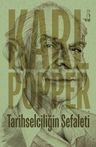
In this little book, Karl Popper worked out his earlier thoughts on the phenomenon of - what he called - historicism. This book was initially written in 1935 and revised multiple times before Popper published the final edition in 1957. In the meanwhile, Popper published his magnum opus, The Open Society and Its Enemies (1944), in which he describes the origins of the idea of historicist philosophy - he traces it back to Plato, and via Aristotle and Hegel to Marx.
I had already read The Open Society and Its Enemies and was curious if The Poverty of Historicism had to offer any new insights. And I can recommend reading this prequel to The Open Society to anyone! Popper is one of the clearest philosophers ever - he has the amazing gift of explaining the most abstract and dry material (e.g. logic) in a clear and concise way. Compare this to such bombastic philosophers like Hegel, Nietzsche, and Kant and you will never want to read continental philosophers anymore!
So what is this book exactly? The Poverty of Historicism is Popper's logical refutation of historicism. Historicism is the idea - very old, incidentally - that the philosopher can study history to find historical laws. By using these historical laws, the philosopher of history is able to not only understand the evolution of history but also - and more importantly - to make prophetical predictions about the future. This has to be clarified though since it is easy to misunderstand this position.
The historicist claims that history evolves according to laws of progress; history knows different stages and each stage has its own guiding laws. The laws of one stage aren't applicable in the preceding or following historical periods. The historicist, living in a particular historical period, is, therefore, by

Hangi tür kitapları seviyorsun?
🔎 Polisiye
💕 Romantik
🚀 Bilim Kurgu
🏰 Fantastik
📖 Klasik
🧠 Kişisel Gelişim
🏛️ Tarih
😱 Gerilim

Review 03/05/22: rtc, happy pub day!!
*****
04/05/22:
Thank you NetGalley for giving me this ARC in exchange for an honest review.
Get ready for a google docs rant review kids, this is going to be a bumpy ride.
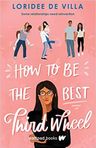
Never thought my rating of a book could change so much throughout reading it until I read this one, How To Be The Best Third-Wheel. AKA another reason why you shouldn’t judge a book by its cover (because sometimes books with pretty covers turn out to be boring and a waste of your time!). I picked up HTBTBTW, thinking that I would read a fun rom-com about third wheeling and it delivered that, and it delivered even MORE of that and not in a good way. This book was so unnecessarily long, that I just couldn’t stand it anymore and started skimming the last 100 pages. Though, I must say, it did have a great dedication:
“To my love life- thank you for being so nonexistent that I had to write this.”
This book is about Lara Dela Cruz (what even is that name-) going on a vacation to the Philippines and returning back to school only to find out that all of the members of her girl gang have boyfriends now. Instead of being a normal person and a good friend, she treats them like shit for having boyfriends (????) and then plays the victim. I had an unpleasant experience with those kinds of people, so it was quite fun to read about (ironically I requested the book because I was third wheeling at school after my friend had a new boyfriend)!!!!! I just wanted to hit her with the back of the thickest book I own in my bookshelf. I know that it sounds malicious and weird but I really, really hated her. She was just this selfish, whiny and ungrateful 16 year-old who was not even close to being mature (or even pretending to be mature, for heaven’s sake). I’m not a psychologist

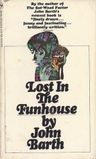
John Barth is the most important postmodernist novelist and his works of art fiction and reality somehow is complicated. It becomes difficult to decide which one is real and which one is fiction. Blurring and uncertainty is so immense that sometimes it is problematic to understand what is happening and what is going on this story. In the story we have suspicions and questions. All the time, nothing is accepted, and we have a sceptical reading. Every concern and everything are sceptical, and we should not forget that the question is very important. Linda Hutcheon talks about self-reflexivity. Do nothing that we are pieces of reality. In fact, we are fictional. They all the time try to make us aware of being fictional. This progress is self-reflexivity of postmodernist works of art. Another word, it shows us through metafiction, through inflectional references, through parody and pastiche.
The author used mostly the techniques of metafiction. The author often comments on the narration and sometimes criticizes creation. While narrating the story, he starts to tell very unusual thing, or he starts to give some certain clues related to the techniques. So, all these things help you understand that be aware. This is not a sort of real thing. Do not get lost in the magical story. The other is playful language. Immitations of the language is one of the problems that postmodernist author criticizes. They try to challenge the limitations through playing with the languages. Pronunciations and the spelling of these words are somehow distorted. It shows “mock “this is the motto of postmodernism. Parody, fragmented narration, open ended closure, intertextual references, and uncertainty are the other concepts or techniques used in the novel. Open ended closure is sometimes subverted
Reflections of social issues of modern people in the play “A Doll's House”Deneme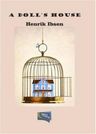
It seems that just surviving and sleeping with a full stomach are not the main problems of developed civilizations since the first formations of societies. ‘Surviving in a good condition’ is the key for modern women and men and death is mostly ignored or perceived as an end from a scientific point of view. Social status, economic level of individuals or some characteristics of modern era can provide people advantages or cause to have disadvantages in society. We can see some of these modern issues' reflections in 20th century art, literature and especially in drama. A Doll's House is one of the examples in which modern times' social issues are reflected. Henrik Ibsen, the playwright aimed to explain these problems to the audience through characters. Married couples, alone women and men are all struggling with money issues, loneliness and especially sexism in the play. Of course, these social issues are nothing compared to war, famine and natural disasters. However, these issues may appear as factors that deeply affect the mental health and psychological state of individuals that keep society alive.
Since the Lydians, money has always been the determinant of social roles. In modern age, we experienced industrialization, technological developments and capitalism. Consequently, money started to control everything including women and men’s relationships. At the very beginning of the play, we see that how money determines men's dominant role. Torvald is the one who has financial power in the family. We can see the clear social difference between Nora and her husband by Torvald’s discourses; “What is this! Is my little squirrel out of temper? - (Taking out his purse.) Nora, what do you think I have got here?”(p.3) He can make Nora happy just by giving money. Also Torvald
İngilizce severler buraya :)Edebiyat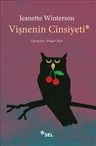

Sexing the Cherry
Postmodernism has become an important part of our life and culture in many ways. Although it is a very common word in today's world, it cannot be expressed as a complete definition. Postmodernism is known for its rebellious approach and willingness to test boundaries. It is an indisputable fact that the word ‘master narrative’ which is so popular among people has collapsed. According to Jean François Lyotard , the postmodern concept is the total expression of a process that includes both changes in material conditions and breaks in the intellectual field. First of all, it is a deep disbelief, or in other words, a radical suspicion.
It is a skepticism of modernity and is concerned with the basic notions of an entire modern project. Lyotard traces and makes sense of this suspicion. In other words, ıt is determined that a dozen concepts related to modernism,called great narrative, such as progress, enlightenment, rationality, freedom, universality are not believable. We can call the new lifestyle that started with this state of doubt postmodernism. Therefore, it is not possible to believe in a single truth, a mere mind, a universal life position and it is impossible to believe that history and progress is a single and universal aspect and to theoretically base it. Undoubtedly, literature is one of the most critical area influenced by postmodernism. One of the most important figures to be categorized as both absurdist and postmodern is Samuel Beckett. A list of postmodern authors often varies; the following are some names of authors often so classified, most of them belonging to the generation born in the interwar period: William Burroughs (1914-1997) Kurt Vonnegut (1922-2007), John Barth (b. 1930), Donald Barthelme (1931-1989), E. L. Doctorow (b.