Yazar: Bernard Shaw
Tahmini Okuma Süresi:
6 sa. 26 dk.
Sayfa Sayısı:
227
Basım Tarihi:
2005
İlk Yayın Tarihi:
1965
Yayınevi:
Icon Classics
ISBN:
9780497010011
Ülke:
Amerika Birleşik Devletleri
Dil:
İngilizce
Türler:
Sıralamalar
Diğer Baskılar
7 diğer baskı · Tümünü Göster
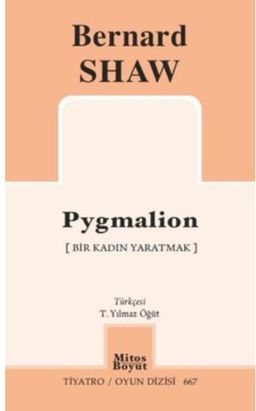
Pygmalion - Bir Kadın Yaratmak
71 okunmaMitos Boyut Yayınları · 2022 · 96 s.

Bir Kadın Yarattım
11 okunmaAltın Kitaplar · 1965 · 118 s.

Pygmalion
245 okunmaDover Publications · Ekim 1994 · 134 s.
Pygmalion
42 okunmaLongman Schools Division (a Pearson Education Company · 1 Aralık 1991 · 176 s.

Pygmalion
31 okunma · 2018 · 115 s.

Pygmalion
24 okunmaIcon Classics · 2005 · 227 s.

Reklam
Yorumlar ve İncelemeler

Viktorya döneminin, orta sınıfı belli kalıplara sokarak özgürlüğünü nasıl kısıtladığını, Çiçekçi bir kız olan Liza aracılığıyla eleştiren bir kitap. Liza'nın yanı sıra, Liza'nın babası da aynı düşünceler içindedir. Aslında çöpçülük ve hırsızlık yaparak hayatını idame ettiren adam, orta sınıfa geçtikten sonra toplumun ona dayattığı şeylerin onu köleleştirdiğini ve herkesin onu sömürdüğünü söyler. Öte yandan, Higgins ve Albay Pickering'in, Liza'yı altı ay içinde sokak ağzından kurtarıp, gerçek bir hanımefendi yapma çabasını görüyoruz. En nihayetinde sonlara doğru Higgins'in bile ne olursa olsun Liza'nın eski halinden yani doğal halinden etkilendiğini görüyoruz. Ayrıca, Pygmalion , adını Ovid'in Metamorfozlarındaki ünlü hikayeden alır. Döneminin kadınlarının gevşek ve utanç verici hayatlarından iğrenen Pygmalion, yalnız ve bekar olarak yaşamaya karar verir. Harika sanatıyla, yaşayan herhangi bir kadından daha mükemmel olan güzel bir heykel yaratır. Ona ne kadar çok bakarsa, o kadar derinden aşık olur, ta ki onun bir heykelden fazlası olmasını dileyene kadar. Bu kitaptan sonra birçok soru sorulabilir, bunlar: Erkek sanatçı, arzularının suretinde kadını yaratma gücüne sahip mutlak ve mükemmel bir varlık mı? Sevgilisini gökyüzü gibi gören kadın zorunlu olarak aşağı özne midir? Bir erkek ve bir kadın arasında sadece cinsel/romantik ilişkiler olabilir mi? Güzellik erdemi yansıtır mı? Sanatçı yarattığını mı seviyor, yoksa sadece o yaratılışı meydana getiren sanatı mı?
Ve incelememi Liza'nın şu sözleriyle bitirmek istiyorum:
" Keşke çiçek sepetime dönebilsem. Sizden de babamdan da bağımsız olurdum. Bağımsızlığımı aldınız elimden. Süslü püslü giyinsem de bir köleyim şimdi"
Ne olursa olsun kendi olup, özgür kalabilen tüm kadınlara selam olsun...
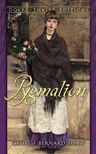

Bu incelemem değerli  Kübra 'ya ithaftır.
Eskiden her şey daha yavaş değişirdi sanki. Türkiye’nin en zengin beş ailesini alakalı alakasız kime sorsanız; Koç, Sabancı, Eczacıbaşı, Yaşar, Çavuşoğlu ya da Ercan ailesi derdi. Ben bu tür gereksiz bilgileri iyi bilirdim. "Komprador burjuvaziye" hem kızar hem onları takip ederdim. Aslında iyi bir gazete okuru istemese de öğrenirdi bunları. Aralarından garip adamlar çıkardı. Mesela Şakir Eczacıbaşı ailenin 2. etkin üyesiydi. Spor, sanat Allah ne verdiyse ilgilenir, bolca para harcardı. Eczacıbaşı Basketbol takımı bir ara memleketin en iyisiydi mesela. Fotoğraf sanatına yaptığı destek inanılmazdır. Ya sinemaya ya edebiyata? Dudak bükerdik ama. Burjuva ya.
Mesela rahmetli Onat Kutlar (ölümü terörün ne kadar kör bir bela olduğuna en iyi örnektir), büyülü gerçekliğin bırakın TC’de, dünyadaki ilk yaratıcılarındandır ve Latife Tekin daha doğmadan belki de yayınlamıştı İshak’ı, aslında esas işi sinemadır. Türk Sinematek'i, Şakir Eczacıbaşı’nın maddi ve entelektüel desteğiyle, OK tarafından kurulmuştu. Biz yine dudak bükmüştük.
Edebiyatı da çok severdi Ş.E. Dergiler çıkartırdı. Bir de, George Bernard Shaw hayranıydı adam. Bu aldığı Anglo-Sakson eğitimdendi galiba. Adam Anglo-sakson'un TC temsilcisiydi mübarek.
Shaw, berbat bir romancıdır. Romanları beş para etmez. O. Pamuk’un Nobel’ine dudak bükenlere duyurulur. Ama iyi oyun yazarıdır. Temaların çoğu devşirmedir. Ne akıllıymış be adam! Mesela Pygmalion Yunan mitolojisinden devşirmedir. Çok temel bir insan özelliğini anlatır. Kendine, kendi yarattıklarına hayran olma. Oyun, Kıbrıslı bir heykeltıraş olan Pygmalion’un kendi yaptığı bir heykele âşık olmasına dayanır. Bu oyunu 1912’de yazar Shaw. 1938’de filmi çekilir. Yer yerinden oynar. Oscar (o zaman adı Oscar
Kübra 'ya ithaftır.
Eskiden her şey daha yavaş değişirdi sanki. Türkiye’nin en zengin beş ailesini alakalı alakasız kime sorsanız; Koç, Sabancı, Eczacıbaşı, Yaşar, Çavuşoğlu ya da Ercan ailesi derdi. Ben bu tür gereksiz bilgileri iyi bilirdim. "Komprador burjuvaziye" hem kızar hem onları takip ederdim. Aslında iyi bir gazete okuru istemese de öğrenirdi bunları. Aralarından garip adamlar çıkardı. Mesela Şakir Eczacıbaşı ailenin 2. etkin üyesiydi. Spor, sanat Allah ne verdiyse ilgilenir, bolca para harcardı. Eczacıbaşı Basketbol takımı bir ara memleketin en iyisiydi mesela. Fotoğraf sanatına yaptığı destek inanılmazdır. Ya sinemaya ya edebiyata? Dudak bükerdik ama. Burjuva ya.
Mesela rahmetli Onat Kutlar (ölümü terörün ne kadar kör bir bela olduğuna en iyi örnektir), büyülü gerçekliğin bırakın TC’de, dünyadaki ilk yaratıcılarındandır ve Latife Tekin daha doğmadan belki de yayınlamıştı İshak’ı, aslında esas işi sinemadır. Türk Sinematek'i, Şakir Eczacıbaşı’nın maddi ve entelektüel desteğiyle, OK tarafından kurulmuştu. Biz yine dudak bükmüştük.
Edebiyatı da çok severdi Ş.E. Dergiler çıkartırdı. Bir de, George Bernard Shaw hayranıydı adam. Bu aldığı Anglo-Sakson eğitimdendi galiba. Adam Anglo-sakson'un TC temsilcisiydi mübarek.
Shaw, berbat bir romancıdır. Romanları beş para etmez. O. Pamuk’un Nobel’ine dudak bükenlere duyurulur. Ama iyi oyun yazarıdır. Temaların çoğu devşirmedir. Ne akıllıymış be adam! Mesela Pygmalion Yunan mitolojisinden devşirmedir. Çok temel bir insan özelliğini anlatır. Kendine, kendi yarattıklarına hayran olma. Oyun, Kıbrıslı bir heykeltıraş olan Pygmalion’un kendi yaptığı bir heykele âşık olmasına dayanır. Bu oyunu 1912’de yazar Shaw. 1938’de filmi çekilir. Yer yerinden oynar. Oscar (o zaman adı Oscar
Kübra 'ya ithaftır.
Eskiden her şey daha yavaş değişirdi sanki. Türkiye’nin en zengin beş ailesini alakalı alakasız kime sorsanız; Koç, Sabancı, Eczacıbaşı, Yaşar, Çavuşoğlu ya da Ercan ailesi derdi. Ben bu tür gereksiz bilgileri iyi bilirdim. "Komprador burjuvaziye" hem kızar hem onları takip ederdim. Aslında iyi bir gazete okuru istemese de öğrenirdi bunları. Aralarından garip adamlar çıkardı. Mesela Şakir Eczacıbaşı ailenin 2. etkin üyesiydi. Spor, sanat Allah ne verdiyse ilgilenir, bolca para harcardı. Eczacıbaşı Basketbol takımı bir ara memleketin en iyisiydi mesela. Fotoğraf sanatına yaptığı destek inanılmazdır. Ya sinemaya ya edebiyata? Dudak bükerdik ama. Burjuva ya.
Mesela rahmetli Onat Kutlar (ölümü terörün ne kadar kör bir bela olduğuna en iyi örnektir), büyülü gerçekliğin bırakın TC’de, dünyadaki ilk yaratıcılarındandır ve Latife Tekin daha doğmadan belki de yayınlamıştı İshak’ı, aslında esas işi sinemadır. Türk Sinematek'i, Şakir Eczacıbaşı’nın maddi ve entelektüel desteğiyle, OK tarafından kurulmuştu. Biz yine dudak bükmüştük.
Edebiyatı da çok severdi Ş.E. Dergiler çıkartırdı. Bir de, George Bernard Shaw hayranıydı adam. Bu aldığı Anglo-Sakson eğitimdendi galiba. Adam Anglo-sakson'un TC temsilcisiydi mübarek.
Shaw, berbat bir romancıdır. Romanları beş para etmez. O. Pamuk’un Nobel’ine dudak bükenlere duyurulur. Ama iyi oyun yazarıdır. Temaların çoğu devşirmedir. Ne akıllıymış be adam! Mesela Pygmalion Yunan mitolojisinden devşirmedir. Çok temel bir insan özelliğini anlatır. Kendine, kendi yarattıklarına hayran olma. Oyun, Kıbrıslı bir heykeltıraş olan Pygmalion’un kendi yaptığı bir heykele âşık olmasına dayanır. Bu oyunu 1912’de yazar Shaw. 1938’de filmi çekilir. Yer yerinden oynar. Oscar (o zaman adı Oscar
Audrey Hepburn ün eşsiz oyunculuğu ile çocukluk anılarıma kazınan müzikal filmin tiyatro metnini de arada bir okurum. Filmi de her seyrettiğimde metni de her okuduğumda farklı ama kendi olmak, bildiği gibi sevmek, hayatın tadını çıkarmak hissi her yanımı sarıyor. “I Could Have Danced All Night” şarkısı ile tüm gün dansedilir
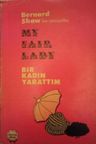

Pygmalion yani "bir kadın yaratmak" aslında Victoria döneminin sonlarında geçiyor. Victoria döneminde toplum katı kurallara ve hiyerarşiye sahiptir.Ayrıca Shaw sosyal statü farkını,dile verilmeyen öneme atıfta bulunur aslında binevi hicveder.Bunlarla beraber sınıf ayrımının getirdiği bir çok etkene değinmiştir.Kadınlara değer verilmiyor.Shaw o dönemde insanların sosyal geleneklerini boyle bir komedi aracılığıyla satire yapar.
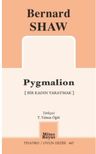
Sınıfsal Çatışmalar

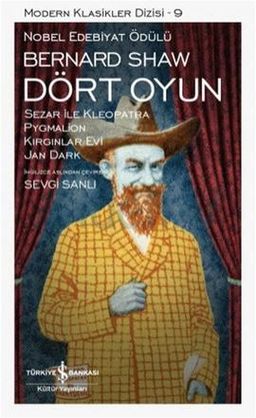
Ben yıllar önce Pygmalion'u müstakil bir baskıdan okumuştum ama günümüzde daha yaygın bir baskı olan "Dört Oyun" kitabının içerisinde Shaw'ın diğer oyunlarıyla birlikte de bulunabilir.
Pygmalion'da, Higgins'in sokakta bulduğu bir çiçekçi kadını kültürel, statüsel, fiziksel; kısaca her anlamda değiştirme ve adeta kendileştirme öyküsü anlatılıyor. Eliza'nın bu değişme evreleri esnasında süren kimlik arayışı ortaya doğal ve eğlenceli satırlar çıkarıyor.
Net bir şekilde karakterler arasında duygusal bir bağ yaşanmamış olsa da, kitabı okuduğum zamanlarda hep; Higgins'in maziperest birisi olduğunu, geçmişte isteyip de ulaşamadığı birinin, benzerini yaratmaya cesaret ettiğini düşünürdüm. Sanki milyonlarca insan değil de, benzeri olmayan tek bir kişi varmış, o da kendi yarattığı kişi olabilirmiş gibi gelmişti.
Benim çok zevkli bulduğum ve çok beğendiğim bir tiyatro oyunudur umarım bir gün canlandırmasını izleme fırsatı da yakalayabilirim. Bunların haricinde Shaw'dan özellikle "Jean Dar'c" ve "Sezar ile Kleopatra" eserlerinin de okunmasını tavsiye ederim.

Kütüphanemden çıkan Pygmalion oyununun kitabı beni lise yıllarıma döndürdü. Okuduğumuz bir çok değerli eserin yanında bir kaç iyi oyun örneğinden biri olan kitabı 1970'lerde severek okuduğumu anımsıyorum.
George Bernard Shaw 100 yıla yaklaşan yaşamına Nobel Edebiyat Ödülü (1925) ve 60 civarında oyun sığdırabilmiş çok üretken bir yazar. Sosyalist olması ve ilk kadın hakları savunucularından biri olmasının yanısıra vejeteryen olduğu da biliniyor.
Shaw'ın Pygmalion oyunu ilk kez 1912'de Londra'da sergilenmiş ve kısa sürede en sevilen oyunlarından biri olmuş. Oyunun konusu Yunan mitolojisindeki Pygmalion efsanesinden yola çıkıyor. Efsaneye göre Kıbrıslı heykeltraş Pygmalion fildişinden bir kadın heykeli yapar (bu heykele 18. yüzyılda Galatea adı verilecektir). Afrodit'in festivalinde Tanrıça'ya kendisine tıpkı yaptığı heykele benzeyen bir kadın vermesi için yalvarır, daha sonra yaptığı heykelin canlanarak kanlı-canlı bir kadına dönüştüğünü görecektir. Bu öykü ilk olarak Romalı ünlü şair Ovid'in Milattan sonra 8. yüzyılda yazdığı ve en önemli eseri sayılan Metamorfozlar şiirinde yer almıştır. Batı edebiyatının temel taşlarından biri olan bu yapıt bir çok yazara esin kaynağı olmuştur.
Shaw bu efsaneyi 19. yüzyıla taşımış ve "bir kadın yaratmak" kavramını bir başka şekilde kullanmıştır. Ünlü fonetik uzmanı Henry Higgins bir tesadüf eseri karşılaştığı çiçekçi kız Eliza Doolittle'ın kullandığı sokak dilinden (Londra'dakicockneyaksanı) etkilenir. Arkadaşı Albay Pickering'le yeni geliştirdiği fonetik yöntemleri överek tartışırken altı ayda kızı herhangi bir seçkin toplantıda kökeni belli olmayacak şekilde sunabileceği konusunda iddiaya girer.
Kızı yanına alan Higgins hemen derslere koyulur. Konuşmanın yanısıra davranış, görgü gibi konularda da eğitim devam eder. Ama Higgins
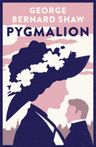

PYGMALİON
(Tiyatro Oyunu)
GEORGE BERNARD SWAH
1856-1950 arasında yaşamış, altmıştan fazla oyuna imza atmış ve hem Nobel hem Oscar ödülünü almış İrlanda’lı yazar George Bernard Shaw, tarafından Yunan mitolojisindeki bilinen bir heykeltraş karakteri olan Pygmalion’dan (kendi yaptığı heykele âşık olur ve tanrıların mucizesiyle heykel canlanır.) ilhamla yazılan oyunda çok önemli temalar işlenir.
Eserde “Doğuştan gelen sınıf farkları değil, toplumsal algı ve eğitim insanların hayatlarını belirler.” teması işleniyor.
Dil ve eğitim aracılığıyla bir insanın sosyal konumunun değişmesi teması işlenir.
Oyun özetle şöyle kurgulanmış:
Londra’da yağmurlu bir akşam. Covent Garden çiçek satıcısı, kaba aksanlı, alt sınıftan Eliza Doolittle, tesadüfen dilbilim profesörü Henry Higgins ve dil uzmanı Albay Pickering ile karşılaşır.
Higgins, Eliza’nın konuşma tarzına bakarak, sadece aksanına göre onun sosyal sınıfını ve doğduğu yeri tahmin eder.
Higgins, Eliza’yı altı ay içinde bir düşes gibi konuşturabileceğini iddia eder.
Eliza ertesi gün Higgins’in evine gelir, “daha iyi bir iş bulmak” için düzgün konuşmayı öğrenmek ister.
Higgins ve Pickering, Eliza’yı altı ayda yüksek sosyete standartlarında konuşturma üzerine bahse girer.
Eliza, önce kötü muamele görür ama derslere başlar.
Yoğun eğitimden sonra Eliza, Higgins’in annesinin düzenlediği bir çay davetine götürülür.
Artık telaffuzu mükemmeldir, fakat hâlâ alt sınıf bakış açısını ve düşünme tarzını koruduğu için konuşmalarında komik durumlar ortaya çıkar.

Puan vermedi·134 syf.··
Beğendi
·2021 734. kitabı
·1 saatte okudu
·Okunma: 24 Kasım 2021 22:50
Eser, Kıbrıslı bir heykeltıraş olan Pygmalion’un kendi yaptığı bir heykele âşık olmasını konu ediniyor.
Sesbilimci olan sosyeteden Higgins, İngiliz dilinin diyalektiği üstüne uzmandır. Yeter ki yanında bir cümle edin, nerden geldiniz nereye gidiyorsunuz, alayını anlatır size. O derece yani. Kaba saba konuşan çiçekçi kız Eliza’yı bulur. Üstünde çalışır ve onu bir sosyete güzeline dönüştürür dil üzerinden. Sonra ne olur biliyor musunuz? Okuyunca görürsünüz :))
Ama klasik bir son diyebilirim
Puan vermedi
Kütüphanemden çıkan Pygmalion oyununun kitabı beni lise yıllarıma döndürdü. Okuduğumuz bir çok değerli eserin yanında bir kaç iyi oyun örneğinden biri olan kitabı 1970'lerde severek okuduğumu anımsıyorum.
George Bernard Shaw 100 yıla yaklaşan yaşamına Nobel Edebiyat Ödülü (1925) ve 60 civarında oyun sığdırabilmiş çok üretken bir yazar. Sosyalist olması ve ilk kadın hakları savunucularından biri olmasının yanısıra vejeteryen olduğu da biliniyor.
Shaw'ın Pygmalion oyunu ilk kez 1912'de Londra'da sergilenmiş ve kısa sürede en sevilen oyunlarından biri olmuş. Oyunun konusu Yunan mitolojisindeki Pygmalion efsanesinden yola çıkıyor. Efsaneye göre Kıbrıslı heykeltraş Pygmalion fildişinden bir kadın heykeli yapar (bu heykele 18. yüzyılda Galatea adı verilecektir). Afrodit'in festivalinde Tanrıça'ya kendisine tıpkı yaptığı heykele benzeyen bir kadın vermesi için yalvarır, daha sonra yaptığı heykelin canlanarak kanlı-canlı bir kadına dönüştüğünü görecektir. Bu öykü ilk olarak Romalı ünlü şair Ovid'in Milattan sonra 8. yüzyılda yazdığı ve en önemli eseri sayılan Metamorfozlar şiirinde yer almıştır. Batı edebiyatının temel taşlarından biri olan bu yapıt bir çok yazara esin kaynağı olmuştur.
Shaw bu efsaneyi 19. yüzyıla taşımış ve "bir kadın yaratmak" kavramını bir başka şekilde kullanmıştır. Ünlü fonetik uzmanı Henry Higgins bir tesadüf eseri karşılaştığı çiçekçi kız Eliza Doolittle'ın kullandığı sokak dilinden (Londra'dakicockneyaksanı) etkilenir. Arkadaşı Albay Pickering'le yeni geliştirdiği fonetik yöntemleri överek tartışırken altı ayda kızı herhangi bir seçkin toplantıda kökeni belli olmayacak şekilde sunabileceği konusunda iddiaya girer.
Kızı yanına alan Higgins hemen derslere koyulur. Konuşmanın yanısıra davranış, görgü gibi konularda da eğitim devam eder. Ama Higgins

Puan vermedi
Pygmalion is a comedy about a phonetics expert who, as a kind of social experiment, attempts to make lady out of an uneducated cockney flowergirl. Pygmalion probes important questions about social class, human behavior, and relations between the sexes. Pygmalion is written by George Bernard Shaw and it is an example of comedy of manners. Shaw takes inspiration from Pygmalion myth. The myth of Pygmalion, from the Greek playwright Ovid’s Metamorphoses, encouraging audiences to think that Pygmalion is a classical play. In Ovid’s tale, Pygmalion is a man disgusted with real-life women who chooses celibacy and the pursuit of an ideal woman, whom he carves out of ivory. Wishing the statue were real, he makes a sacrifice to Venüs, the goddess of love, who brings the statue to life. The myth bases on a sculpter makes an ivory statue representing his ideal of womanhood and then falls in love with his own creation, the goddess Venüs brings the statue to life in answer to his prayer. At the same time, the myth of Pygmalion contains a metamorphosis. There is a changing story and reflections of this change. Actually, the role of the Pygmalion myth in this play is to show Liza’s metamorphosis because the myth of Pygmalion and the play of Pygmalion are similar and parallel. So, the myth of Pygmalion has an important place to express some themes about the transformation in the play. On the other hand, Pygmalion is a mythological story that takes its place at intersection of love and miracle, and the myth of Pygmalion has a great role that explain the subjects of metamorphosis, changing and class distinction. George Bernard Shaw utilizes satire in the play in order to ridicule the rigidity and hierarchy of British society that existed in the late nineteenth and early twentieth century,
Yazar Hakkında
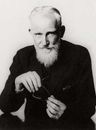
Bernard ShawYazar · 32 kitap
George Bernard Shaw (d. 26 Temmuz 1856, Dublin, İrlanda - 2 Kasım 1950, Hertfordshire, İngiltere), İrlandalı yazardır. Oyun yazarı olarak ünlenen yazar, altmıştan fazla oyuna imza atmıştır. Hem 1925'te Nobel Edebiyat Ödülü'nü hem de 1938'de Pygmalion ile Oscar'ı alarak, bu iki ödülü de alabilen ilk insan olmuştur. Sosyalizm ve kadın haklarının koyu bir savunucusu olmuştur. Shaw, vejetaryen olmasının yanında ayrıca içki ve sigaradan da hayatı boyunca kaçınmıştır. Ayrıca resmi eğitime de karşı çıkmıştır. Shaw, 94 yaşına geldiği 1950'de, ağaç budarken merdivenden düştükten sonra oluşan yaralarının iyileşmemesi sonucunda olaydan birkaç gün sonra ölmüştür.
Shaw; müzik, sanat ve tiyatro eleştirmeni olarak "Corno di Bassetto Mancare" mahlasıyla Wolverhampton Star’da, GBS mahlasıyla Dramatic Review (1885-1886), Our Corner (1885-1886) ve The Pall Mall Gazette’te (1885-1888) yazmıştır. 1895'ten 1898'e kadar, Shaw, Frank Harris’ Saturday Review’da tiyatro eleştirmenliği yapmıştır. Eleştirmen olarak aldığı maaş, ancak geçinebilmesini sağlamıştır.
Shaw'un erken gazeteciliği; kitap, sanat ve müzik kritikleriyle geçti. Müzik eleştirilerinden çoğu, tartışmalı Alman besteci Richard Wagner'i över nitelikteydi. Ayrıca, Saturday Review için yaptığı tiyatro eleştirmenliğinde de Norveçli tiyatrocu Henrik Ibsen'i övmüştür.
Kaynak: tr.wikipedia.org/wiki/George_Ber...